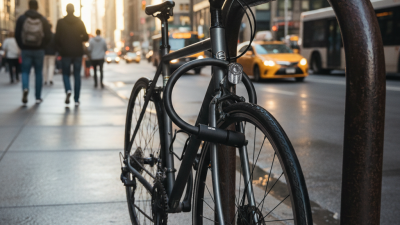
Picking out the Best Bike Lock for 2026, especially for folks around the world, isn't just about comparing prices or staring at shiny features. You really want a lock that strikes a good balance—something reliable that keeps thieves at bay, isn’t a nightmare to carry around, stands up to the weather, and is easy to handle daily. Sheldon Brown, a well-known cycling expert, famously said, ‘A lock is only as good as what it’s locked to.’ That little nugget of advice still hits home, whether you're hanging out at a crowded train station, slinging your bike on a hotel rack, or chilling on a café terrace.
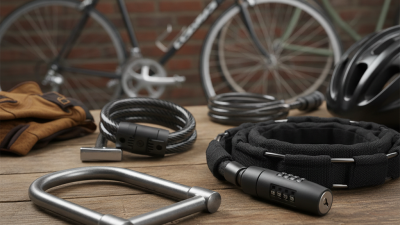
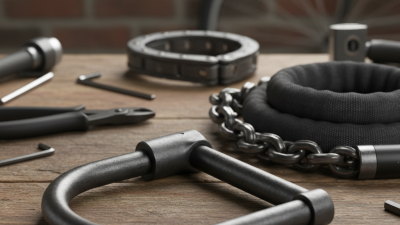
In this guide, we’re diving into different types of locks—like hardened steel chains, folding locks, U-locks, those that mount on your frame, and even ones with built-in tracking from trusted brands like ABUS, Kryptonite, Hiplok, and Trelock. We’ll look at how each performs in rain, dust, hot weather, or freezing cold. Plus, we consider things like whether the lock’s length works with thick park rails or those chunky electric bike frames. Tiny details matter—like a stiff key that’s a pain to turn after locking your bike outside for a week, or a lock so heavy it just ends up staying at home, defeating its purpose.
You might’ve seen the phrase Bike Lock Bike Lock pop up a lot — seems kinda repetitive, right? But honestly, it’s a real struggle many bikers face: balancing security with convenience. No lock can guarantee 100% protection everywhere you go. Even the strongest lock can be beaten if you don’t lock it properly or if the infrastructure isn’t reliable. Plus, ratings and availability can vary depending on where you are, what currency you’re using, or what local services are available. So yes, this guide is helpful, but it’s not perfect. Before buying, always double-check the latest specs, warranty info, what happens if you lose your key, and whether independent security tests have been done. The best lock isn’t always the heaviest or most expensive—it’s the one you can carry easily, use correctly, and trust day after day.
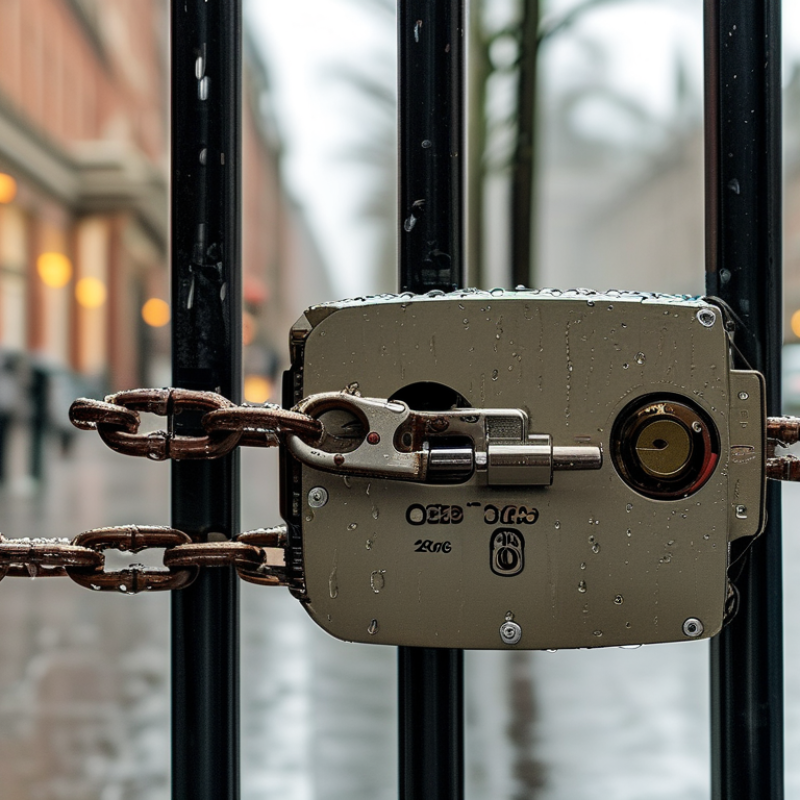
Integrated locks are becoming practical features, not just marketing details. Frame locks immobilize the rear wheel and suit short stops near cafés or stations. Folding locks offer stronger coverage around a rack, while chain locks fit awkward frames and thicker posts. Some commuter bikes combine a wheel lock with a hidden cable, creating two contact points.
The UK Office for National Statistics reported roughly 77,000 police-recorded bicycle theft offences in England and Wales during the year ending March 2024. That figure supports layered protection, especially in crowded urban areas. A 2023 cycling market report from the European Cyclists’ Federation also noted continued growth in everyday cycling across European markets. More parked bicycles mean more visible security decisions.
Buyers should inspect lock reach, mounting position, corrosion resistance, and replacement-key support. A small folding lock may look neat but fail to surround a wide parking rail. Integrated systems can also add weight near the frame hinge. I once found this balance easy to overlook. It matters after a long ride. For international searches, the phrase China Bike Lock Bike Lock may describe an integrated locking bicycle, but specifications still need verification. Look for tested resistance claims, clear materials, and service documentation rather than dramatic security language.
2026 Best Bike With Lock for Global Buyers?
How Built-In Bike Locks Work and Where They Differ
Built-in bike locks usually secure the rear wheel through a hardened steel pin. The wheel cannot rotate freely. This design works well during short stops, but it does not anchor the bicycle to a fixed object. A thief could still lift it. Some models add a flexible cable, while others use folding steel links. Cables offer reach, but resist cutting less effectively. Folding links create a stronger barrier, yet add weight and hinge maintenance. These differences matter more than appearance.
NACTO’s 2023 Shared Micromobility Report recorded 157 million trips in the United States and Canada. Heavy daily use increases demand for fast, integrated security. A frame lock opens quickly with a key, which suits crowded stations and brief errands. Combination systems avoid lost keys, but dirty digits and poor lighting can cause frustration. I have found that small lock openings collect rainwater and road grit. That weakness is easy to overlook.
The 2024 FBI Crime Data Explorer still groups many bicycle thefts within broader larceny categories. Direct comparisons between countries remain imperfect. Buyers should check corrosion resistance, replacement-key support, mounting strength, and local repair access. A built-in lock should complement a fixed-object lock, not replace it. Look for independently tested steel and clear attack-resistance ratings. “Unbreakable” is not a reliable engineering term. For global buyers, service availability may matter more than a clever mechanism.
| Built-In Lock Format | How It Works | What It Usually Secures | Security Position | Typical Added Weight | Best Use Case | Main Limitation |
|---|---|---|---|---|---|---|
| Frame-Mounted Ring Lock | A steel bolt slides through the rear wheel or between the spokes when the key or control is turned. | The wheel only; it normally does not attach the bicycle to a fixed object. | Basic to moderate; useful against quick roll-away theft but vulnerable if the bicycle is lifted or carried. | About 0.4–0.8 kg | Short stops, errands, and areas where the bicycle remains within sight. | Needs a separate chain, cable, or shackle lock for securing the frame to a rack. |
| Ring Lock with Plug-In Chain | A detachable chain or cable plugs into the ring-lock body after the wheel bolt is engaged. | The rear wheel and, when looped around a fixed object, the frame. | Moderate; the actual protection depends strongly on chain diameter, material, and lock cylinder quality. | About 1.0–2.0 kg | Urban commuting and medium-length parking where convenience matters. | Short plug-in chains may not reach thick posts or wide parking structures. |
| Integrated Folding Lock | Several hardened steel segments fold into a compact bundle and are released with a key or combination mechanism. | The frame and wheel together when wrapped around an immovable object. | Moderate to high, depending on segment thickness, joint design, cylinder protection, and independent security testing. | About 1.0–1.8 kg | Daily commuting when compact storage and a longer locking range are required. | Folding joints can become a maintenance point and may offer less flexibility than a chain. |
| Integrated Steel Cable Lock | A retractable or frame-stored cable pulls out, loops around an object, and locks into a housing. | Usually the frame and wheel, provided both are looped through the cable. | Basic to moderate; thin cables are generally less resistant to cutting than hardened chains or solid shackles. | About 0.3–0.9 kg | Low-risk areas, brief stops, and riders prioritizing low weight. | Cable thickness and lock housing can limit resistance to hand tools. |
| Frame-Integrated Chain Lock | A linked metal chain is stored in a frame sleeve, bottle-cage area, or dedicated compartment and wraps around a fixed object. | The frame and one or both wheels when positioned correctly. | Moderate to high for suitable chain thickness; a chain can provide flexible locking around irregular posts. | About 1.2–2.5 kg | Longer parking sessions and locations with varied rack or post sizes. | Heavier than a cable and may add frame noise if the storage sleeve is not well padded. |
| Integrated U-Lock Mounting System | A rigid U-shaped lock is carried in a dedicated frame mount; the mount stores the lock but does not itself provide security. | The frame and wheel to a fixed object, subject to the U-lock's internal dimensions. | Moderate to high when the shackle is hardened and independently tested; smaller openings can reduce leverage for attackers. | About 1.0–1.7 kg | Higher-risk urban parking and riders who want a rigid primary lock carried on the bicycle. | The shackle may not fit around large posts, wide frames, or both wheels simultaneously. |
| Electronic Frame Lock | An electrically actuated pin or motor blocks a wheel or latch and is controlled by a keypad, phone, remote, or connected system. | Usually the wheel or a frame-mounted locking point; it may not connect the bicycle to a fixed structure. | Basic to moderate as a physical barrier; connectivity can improve convenience but does not replace a strong anchor lock. | About 0.5–1.5 kg, excluding any separate battery system | Shared bicycles, controlled parking, and users who value keyless access. | Battery status, water exposure, software access, and emergency override procedures require attention. |
| Dual-Lock Built-In System | Combines a wheel immobilizer with a second integrated chain, cable, folding lock, or U-lock carried on the frame. | The wheel plus the frame attached to a fixed object. | Potentially high for a built-in system, but the weaker component usually determines the practical protection level. | About 1.5–3.0 kg | Long urban parking, travel, and buyers seeking an integrated two-stage locking routine. | Greater weight, higher purchase cost, and more parts to inspect, lubricate, or replace. |
Buyer note: A built-in wheel lock prevents or discourages rolling, but it does not normally stop a thief from lifting the bicycle. For unattended parking, secure the frame and wheels to a fixed, closed object and compare the lock with a recognized independent security-testing or insurance-rating scheme available in the destination market.
For global buyers, choosing the 2026 best bike with lock requires more than checking price. Compare security, weather resistance, and daily handling together. A hardened steel shackle can resist cutting better than thin cable. However, it may also add weight during long rides. Look for a lock that fits the bicycle frame without blocking cables or lights.
Lock design matters in different environments. A compact folding lock suits commuters with limited storage. A heavy chain may offer stronger protection near crowded public parking. Check the locking cylinder for smooth operation, especially after rain or dust exposure. The key should remain easy to use with cold or wet fingers. A bright coating can improve visibility, but color alone does not prove security.
Global buyers should also examine mounting hardware, replacement keys, and warranty terms. Confirm whether the product has been tested under recognized security standards in its target market. Standards differ, so vague claims deserve caution. When reviewing an OEM Bike Lock Bike Lock, request material details, test reports, and sample units before placing a large order. Inspect the frame mount personally. Some mounts rattle on rough roads. I have found that small screws loosen faster than expected, even when the lock itself feels solid. Packaging should protect the cylinder and include clear care instructions. That detail is easy to overlook.
A strong 2026 bike lock should protect both the frame and the wheel, not merely touch the tire. The FBI Crime Data Explorer has recorded over 150,000 bicycle theft reports annually in some recent datasets. It also warns that many thefts remain unreported. That gap matters for global buyers.
Choose a hardened steel U-lock or a certified high-security chain with a protected cylinder. The lock should pass through the frame’s main triangle and the front wheel. Avoid securing only the saddle or quick-release wheel. Frame design matters too. Thin tubing can leave awkward gaps around large locks, while compact frames may need a longer shackle. A Custom Bike Lock Bike Lock should match the frame’s geometry, parking habits, and local theft risks. I have found that a tight fit reduces leverage, but it can become inconvenient near crowded racks. That is a real trade-off.
Tips: Check independent resistance testing, not just marketing claims. Look for cutting, prying, and drilling results under standards such as EN 15496. Park in a visible, fixed location. Keep the lock above ground, where tools have less support. Record the frame number and photograph the bicycle. NPSA security guidance also recommends layered protection, yet I sometimes overestimate a second cable’s value. It deters casual removal, but usually adds limited resistance against serious attacks. Inspect the lock monthly for corrosion, sticky movement, or damaged welds.
Choosing the best bike-and-lock combination depends on where and how you ride. A city commuter often needs a lightweight bicycle, upright comfort, and a strong U-lock that fits the frame. Look for reliable brakes, puncture-resistant tires, and mounting points for the lock. A folding bicycle can suit train users, but its smaller wheels may feel less stable on damaged roads. I once underestimated this difference.
For trail riders, a sturdy hybrid or mountain bicycle works better with wide tires and a weather-resistant chain lock. The lock should resist cutting tools and include independent security testing where available. In wet regions, sealed lock mechanisms are valuable because grit can jam small parts. Rural riders may prefer a longer lock for securing the frame and wheel to a solid post. Weight matters.
Families should consider step-through frames, adjustable seats, and locks that children can operate safely. Travelers need a compact lock, but compact often means less leverage resistance. Check the bicycle’s frame space before buying, since some locks block bottle cages or cables. Test the locking position at home. It may look practical online, yet feel awkward beside a crowded rack. Global buyers should also confirm local safety rules, replacement-key support, and service access. My own buying mistake was choosing security first and carrying comfort second; the lock stayed in my bag too often.
Choosing a bike with an integrated lock requires more than comparing prices. Regional weather, road quality, and theft patterns affect daily performance. In rainy coastal cities, exposed locking parts may develop surface rust quickly. In colder regions, freezing moisture can make small mechanisms stiff. Buyers should check whether the lock uses replaceable keys or a serviceable combination system. Local repair shops can confirm compatibility before purchase. I once underestimated this detail and waited weeks for a simple replacement part.
Warranty terms also differ by selling region. Confirm coverage for the frame, locking mechanism, keys, and electronic components separately. Some warranties require registration within a limited period. Others exclude damage caused by salt, poor storage, or unauthorized repairs. International buyers should ask who pays return shipping and whether local service is available. For commercial purchasers comparing Wholesale Bike Lock Bike Lock options, written support terms matter more than a low initial price.
Tips: Photograph the bike and lock serial numbers immediately. Store one key away from the bike. Apply a suitable dry lubricant before winter storage. Avoid heavy oil, which can trap dust inside the cylinder. Inspect mounting bolts monthly, especially after riding on rough streets. A practical test is simple: lock and unlock the mechanism several times outdoors. If it feels rough, do not ignore it. Maintenance advice can sound obvious, yet rushed owners often skip it. That small mistake may become an expensive inconvenience.
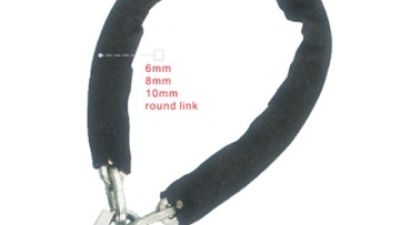
Everyday security often depends on flexibility: the lock must fit different objects, withstand outdoor conditions, and remain convenient enough for regular use. The Nurbo Chain Lock with Detachable Iron Padlock is designed for this purpose, combining a heavy-duty hardened steel chain with an iron padlock and brass cylinder. Available in 6 × 6 × 900 mm and 8 × 8 × 900 mm sizes, it can secure bicycles, motorcycles, scooters, gates, doors, and fences. Its detachable padlock can also be used independently, offering greater versatility than a permanently integrated locking mechanism. According to the FBI Crime Data Explorer, larceny-theft remains one of the largest categories of reported property crime in the United States, highlighting the value of practical physical security for frequently exposed possessions.
A durable polyester cover surrounds the chain to help reduce scratching and limit exposure to moisture, supporting more reliable use in everyday environments. The steel construction is sturdy without making handling unnecessarily complicated, while the included two brass keys make sharing access or keeping a spare straightforward. Industry guidance from the Master Locksmiths Association emphasizes that effective security products should be proportionate to the protected item, resistant to tampering, and easy to operate consistently. With its flexible length, protective cover, detachable padlock, and multipurpose design, this chain lock suits routine use at home, outside shops, in shared parking areas, or wherever movable equipment needs an additional layer of protection.
It is built into the bicycle frame or rear wheel area. The lock can immobilize the wheel or secure the frame to a fixed object. Some models include a hidden cable.
A frame lock works well near cafés, stations, and small shops. It usually immobilizes the rear wheel quickly. It is convenient, but not enough for every parking situation.
Folding locks usually provide better coverage around a rack or post. They can protect the frame and wheel together. Check the folded length and hinge resistance before buying.
Check lock reach, frame space, mounting points, and carrying comfort. The lock should not block bottle cages or brake cables. A neat design may still feel awkward on a crowded rack.
A chain lock offers flexible positioning around thick posts and awkward frames. Choose weather-resistant materials and a secure locking cylinder. Longer chains add reach, but they also add weight.
Folding bicycles can suit train users and compact storage. However, smaller wheels may feel less stable on damaged roads. Test the folded lock position at home. I underestimated this once.
Rain, salt, grit, and freezing moisture can stiffen exposed mechanisms. Choose sealed parts for wet or cold regions. Use a suitable dry lubricant before winter storage. Avoid heavy oil.
Confirm separate coverage for the frame, lock, keys, and electronic parts. Check registration deadlines and exclusions for salt or poor storage. Ask who pays return shipping. Small details matter.
Photograph the bicycle and lock serial numbers immediately. Keep one key away from the bicycle. Inspect mounting bolts every month, especially after rough rides. Test the lock outdoors. Do not ignore rough movement.
Choosing the best Bike With Lock in 2026 requires more than comparing appearance and price. This guide explores bike types with integrated locking systems, including city bikes, folding models, commuter bicycles, and electric options. It explains how built-in locks operate, where they are mounted, and how their convenience differs from separate locking devices. Global buyers will learn which features to compare, such as locking strength, key or combination systems, frame construction, portability, weather resistance, and ease of daily use.
The article also considers how frame design and lock placement can support theft protection without adding excessive weight or reducing riding comfort. It presents suitable bike-and-lock choices for commuting, travel, leisure, and compact urban storage. Finally, it highlights regional purchasing concerns, including warranty coverage, replacement parts, service availability, climate conditions, and routine maintenance, helping buyers select a practical and dependable option for their location and riding habits.