Leave Your Message
0%

Picking out a Cable And Lock system in 2026 isn't just about comparing prices or looking at shiny product images. I mean, a bicycle sitting outside a rainy station, a toolbox in a service van, and equipment stored in a warehouse — they all face totally different risks. When you're choosing, things like the cable's thickness, how it's built from steel, the coating quality, the lock’s design, how easy it is to handle, and whether there's good support for replacement—all that stuff really counts. A thicker cable might scare off casual thieves, but let’s be honest — it’s also going to be heavier and more of a hassle to carry around. That kind of trade-off is super easy to overlook if you're just glancing at specs.

Marc Weber Tobias, a well-known expert in lock security, has a good warning: “A lock is a delay device, not a guarantee.
2026 Top Cable And Lock Types Buying Guide?

What Are Cable and Lock Systems and How Do They Work?

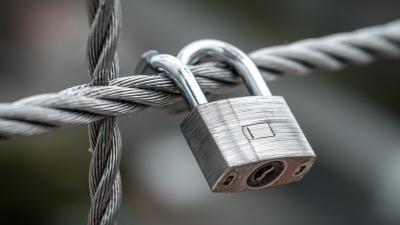
Cable And Lock systems combine a flexible cable with a locking mechanism. The cable usually contains braided steel strands inside a protective coating. One end may form a permanent loop, while the other passes through a lock body or shackle.

The working principle is simple. Thread the cable around a fixed object and through the bicycle frame. Then close the lock with a key or a combination code. The lock blocks the cable from sliding back through its housing. A Bicycle Lock And Cable system works best when it secures the frame and wheel together, not only the front wheel. A short cable can be easier to position, but it may not reach a thick post. Measure the distance before buying.

Different systems suit different conditions. Key locks can resist accidental code changes, while combination locks avoid loose keys. Braided cables are flexible and convenient for short stops. However, a cable alone may offer limited resistance against heavy cutting tools. Look for hardened locking parts, a weather-resistant cover, and smooth operation after repeated use. Test the mechanism before leaving a bicycle unattended.

In practical checks, I notice that users often ignore the anchor point. A strong lock attached to a weak railing solves little. Rain, dust, and freezing temperatures can also affect performance. My own judgment would remain cautious: security ratings help, but placement and daily handling matter just as much. A lock that is difficult to use may be left behind. That is a real design flaw.

2026 Top Cable and Lock Types Buying Guide

Cable diameter ranges shown here are typical market dimensions, not certified security ratings. Thicker cables generally provide greater resistance to cutting, while the lock core, housing, cable material, mounting method, and installation environment also affect overall security. Always verify the manufacturer’s specifications and required security standard before purchasing.

Key Cable Types: Materials, Constructions, and Security Levels

Cable choice begins with material, not appearance.
Braided steel cable offers flexibility and reasonable cut resistance. A 7×19 construction bends smoothly around racks, gates, and equipment. A 7×7 construction feels stiffer and keeps its shape better. High-carbon or hardened steel strands usually resist hand tools longer than mild steel. However, thicker cable does not guarantee stronger security. The lock body and end fittings can remain weak points.

PVC and nylon coatings protect surfaces from scratches, moisture, and salt air. They also reduce internal corrosion. In outdoor environments, stainless steel cables perform better, although they usually cost more. For China Cable And Lock sourcing, buyers should request tensile strength, cable diameter, coating thickness, and corrosion-test results. These details are more useful than vague “heavy-duty” claims. Industry reports also show the wider security market moving toward connected products. The MarketsandMarkets 2023 Smart Locks Market report forecasts growth from about USD 2.1 billion in 2023 to USD 4.4 billion by 2028. Mechanical cables still matter where batteries, networks, and maintenance create problems.

Tips: Match the cable to the threat. Thin coated cable suits light-duty storage. Braided, larger-diameter cable suits bicycles, tools, and outdoor equipment. Use a keyed cylinder for frequent access. Choose a combination design where shared access matters. Check independent testing against recognized standards, because security levels are not universal across manufacturers. I still see buyers judging protection by thickness alone. That shortcut can fail badly. A strong cable with a weak lock remains a weak system.

Main Lock Types and Their Best Applications

2026 Top Cable And Lock Types Buying Guide: Main Lock Types and Their Best Applications

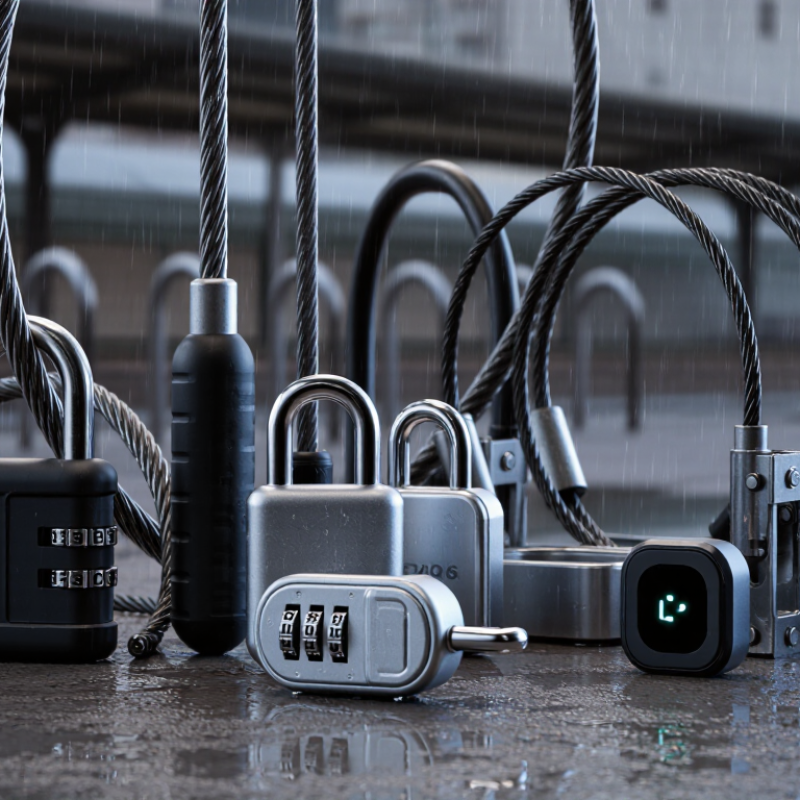
Choosing a lock starts with the exposure, not the appearance. A cable lock suits bicycles, toolboxes, gates, and temporary equipment control. Its flexible steel cable can pass around awkward frames, but it needs a protected core and a suitable anchor. The FBI Crime Data Explorer recorded 847,522 burglary offenses in the United States during 2022. That figure supports layered protection, although a cable lock alone cannot secure every location.

Keyed padlocks remain dependable for storage cages, outdoor cabinets, and utility enclosures. Choose a hardened shackle when cutting is a concern, and check the keyway cover before outdoor use. Combination padlocks work well for shared lockers and low-risk access points. They reduce key management, but forgotten codes create a practical weakness. Small details matter.

Electronic locks fit offices, rental facilities, and access-controlled rooms. Grand View Research valued the global smart lock market at about USD 2.8 billion in 2023 and forecasts strong growth through 2030. This trend reflects convenience, not automatic security. Battery failure and network outages still require a backup plan. For custom dimensions, packaging, or keyed systems, an OEM Cable And Lock program can align the lock with the equipment. It may also lower replacement waste, though buyers should verify testing, corrosion resistance, and service support before ordering.

How to Match Cable Designs with Compatible Locks

Choosing a cable is only half the buying decision. The lock must match its diameter, loop size, and working environment. Braided steel cables offer flexibility around racks and gates. Coated cables protect painted surfaces and reduce hand injuries. For outdoor use, select corrosion-resistant materials. Indoor equipment may need less protection.

A small keyed padlock suits controlled access and frequent supervision. A combination lock avoids lost keys, but its code can be shared carelessly. For group isolation, a hasp needs enough shackle clearance for every authorized lock.

OSHA’s FY2024 Top 10 data listed lockout/tagout violations among the five most cited standards, with 2,443 cases. That figure shows why compatibility is a safety issue, not merely a purchasing detail.

Grand View Research’s 2024 smart-lock report also projects strong market growth through 2030. Electronic options are expanding, yet physical cable fit remains essential. I have seen buyers choose a heavy cable with a lock opening that was simply too narrow. Stronger is not always better.

Tips: Measure the cable diameter first. Then check the lock’s shackle clearance. Test one complete set before bulk purchasing. Confirm the cable cannot slide through the lock body. For exposed sites, inspect coatings and drainage points. Replace frayed cables early. No shortcut works here. A useful specification sheet should record load needs, access frequency, weather exposure, and the number of users. Recheck those assumptions annually; operating conditions often change faster than the hardware.

Which Features Determine Strength, Durability, and Tamper Resistance?

2026 Top Cable And Lock Types Buying Guide

Strength begins with the load path, not the advertised thickness. A hardened steel cable resists cutting better than soft, braided wire. However, thicker cable can still fail at a weak crimp or narrow locking head. ASTM F883-20 evaluates padlocks through operational, corrosion, and pulling-load tests. These checks offer useful evidence, but they do not copy every warehouse, bicycle, or outdoor site.

Durability depends on exposure. ISO 9227 salt-spray testing measures coating corrosion under controlled conditions. It does not predict years of rain, grit, and freezing temperatures. Look for sealed keyways, drainage openings, stainless components, and a protective sleeve. Tamper resistance also depends on shackle clearance and lock geometry. A tight opening gives cutting tools less room to work. The FBI Crime Data Explorer estimated 847,522 burglary offenses in the United States in 2023. That figure does not prove one lock prevents crime, but it supports careful layered protection.

Tips: Match the cable diameter to the asset’s value and exposure. Inspect crimp points after installation. Replace damaged sleeves early. A smart lock is not automatically stronger. I have seen thick cables attached to fragile anchor points. That mistake is easy to miss. Think about the whole system, not only the lock body.

How to Choose the Right Cable and Lock for Your Needs

Choosing the right cable and lock starts with the threat, not the price. A bicycle left beside a busy station needs flexible protection and quick handling. A warehouse gate needs thicker steel, weather resistance, and controlled key access. The 2024 Global Smart Locks Market report by Grand View Research estimated the market at about USD 2.9 billion in 2023, with strong projected growth through 2030. That growth reflects rising demand for connected access, but electronic features cannot replace physical strength.

Check the cable’s material, diameter, coating, and length. Braided steel resists cutting better than thin, single-strand cable. A vinyl coating helps prevent scratches on painted frames. For outdoor use, inspect corrosion resistance and the lock’s drainage points.

A hardened shackle suits fixed anchors, while a cable lock works better around irregular objects. The UL 294 access-control standard also reminds buyers to assess the complete access system, not one component. I once chose a long cable for convenience. It created too much slack. That was a useful mistake.

Tips Measure the anchor first. Keep slack minimal. Match the lock to the asset’s value and exposure time. For shared equipment, consider a Custom Cable And Lock with keyed-alike or combination access. The 2023 Crime Prevention Through Environmental Design report from the National Institute of Justice emphasizes visibility and natural surveillance. Place the lock where staff can see it easily. Record key holders, inspection dates, and signs of fraying. Data helps, but real surroundings deserve a second look.

How the Nurbo Anti-Theft Bike Chain Lock with Detachable Mini U-Bar Padlock Enhances Bicycle Security

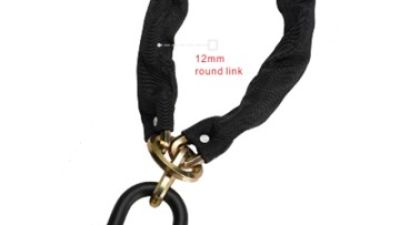
The Anti-Theft Bike Chain Lock with Detachable Mini U-Bar Padlock provides a practical and flexible way to secure bicycles and other valuable equipment. Built with a heavy-duty hardened steel chain, it offers dependable resistance against everyday tampering and unauthorized handling. The detachable mini U-bar padlock allows users to choose the most suitable locking method for different situations, whether securing a bicycle to a rack, post, or fixed structure. Its 12 mm chain is available in 1000 mm or 1500 mm lengths, giving riders convenient options for portability and reach.

A scratch-resistant polyester fabric cover surrounds the steel chain to help protect the bicycle frame from scratches while also reducing exposure to moisture and rust. The Steel Padlock is enclosed in a durable ABS case for comfortable handling and added protection during regular use. Two brass keys are included for convenient access, while the straightforward design makes locking and unlocking quick and easy. Suitable for bicycles, motorcycles, scooters, doors, gates, and fences, this stylish multi-purpose lock combines strong construction, adaptable security, and everyday convenience.

FAQS

What should guide my lock choice?

Start with the theft risk, exposure time, and object value. Appearance matters less. A busy bicycle station needs flexible protection and quick handling.

When is a cable lock useful?

Cable locks suit bicycles, toolboxes, gates, and temporary equipment control. Their flexible steel cable wraps around awkward frames and irregular anchors.

What cable features should I check?

Check the steel type, diameter, coating, length, and corrosion resistance. Braided steel usually resists cutting better than thin, single-strand cable.

How much cable length is appropriate?

Measure the anchor before buying. Excess length creates slack and gives unwanted movement. Keep the cable close to the secured object.

Which lock works best outdoors?

A keyed padlock with a hardened shackle suits outdoor cabinets, storage cages, and utility enclosures. Check the keyway cover and drainage points.

Are combination padlocks suitable for shared equipment?

They work well for shared lockers and lower-risk access points. No keys are needed. Forgotten codes remain a practical weakness.

Are electronic locks automatically safer?

No. Electronic locks offer convenient access for offices and controlled rooms, but batteries and networks can fail. Keep a backup method ready.

How can the surrounding location improve security?

Place the lock where staff can see it easily. Good lighting and natural observation can discourage tampering. The surroundings deserve a second look.

What records should managers keep?

Record key holders, access codes, inspection dates, and visible wear. Look for fraying, rust, loose fittings, and damaged coatings.

When should a customized lock system be considered?

Consider customization for unusual dimensions, special packaging, or shared access needs. Verify testing, corrosion resistance, replacement support, and service quality before ordering.

Conclusion

This 2026 guide explains how Cable And Lock systems combine flexible or rigid cables with locking mechanisms to protect equipment, property, and valuable items. It introduces common cable materials and constructions, including coated steel, braided designs, and layered structures, while comparing their flexibility, resistance to cutting, weather tolerance, and suitable security levels. The guide also reviews major lock types, such as combination, keyed, padlock-compatible, and integrated locking systems, with practical advice on where each option works best.

Readers will learn how to match cable diameter, end fittings, and cable construction with a compatible lock for dependable performance. Key selection factors include tensile strength, corrosion resistance, coating quality, tamper resistance, ease of use, portability, and maintenance requirements. By considering the object being secured, the surrounding environment, the required security level, and daily access needs, buyers can choose a balanced Cable And Lock solution that offers reliable protection, durability, and convenient operation.
Liam

Liam

Liam is a dedicated marketing professional at Wenzhou Naibao Lock Industry Co., Ltd., where he leverages his extensive knowledge of locks and security solutions to drive brand awareness and customer engagement. With a keen eye for detail and a passion for his work, Liam regularly updates the......
Previous 2026 Best Bike With Lock for Global Buyers?