When it comes to keeping your bike safe, picking the right lock is a total must. I remember security expert John Smith from SecureRide once saying, 'A good lock is your bike’s best defense against theft.' Honestly, that really drives home how important it is to invest in a reliable lock.
A lot of cyclists don’t realize just how crucial a quality lock actually is. A sturdy, well-made lock doesn’t just scare off would-be thieves—it also gives you some peace of mind. Think about it: the peace of mind you get when you come back after running errands and see your bike right there, untouched. That’s a pretty satisfying feeling, right? But here’s the thing— not all locks are created equal. Some might look super tough but can actually be pretty easy for a determined thief to crack.
Honestly, I see many riders make the mistake of choosing a lock based on looks or price, instead of actual security. Sometimes folks underestimate how often bikes get stolen locally, or they just go for something cheap and cheerful without thinking. Taking a moment to reflect on these choices can really help you make smarter decisions. Remember, a good lock isn’t just about how much it costs—it’s about doing a little homework and understanding what really works. The next time you ride out, try to stay worry-free by picking your lock wisely and knowing that you’ve got your bike covered.”
Types of Bike Locks: An Overview of Security Options
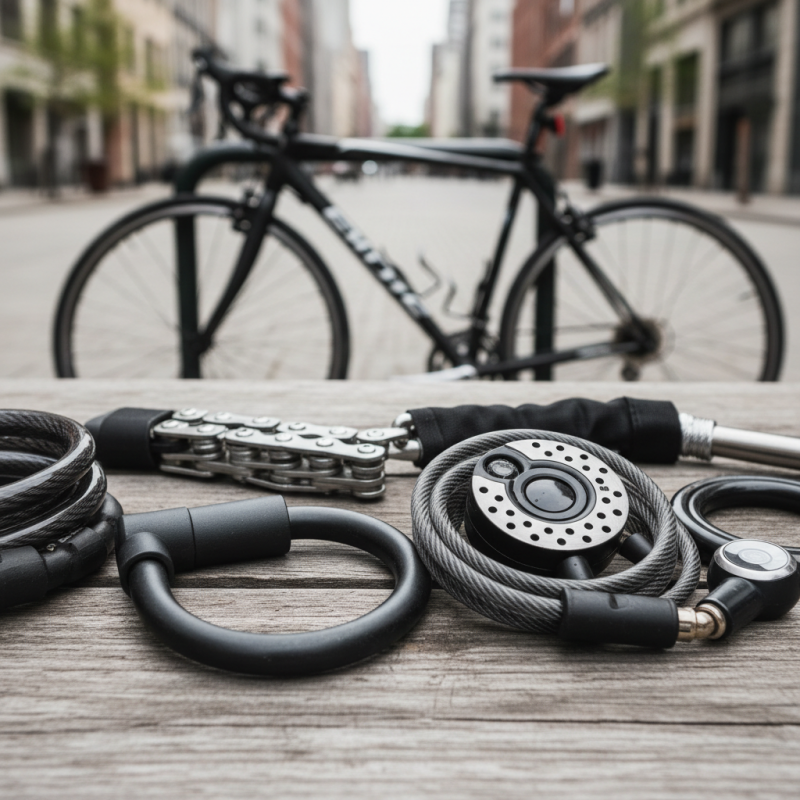
When it comes to securing your bike, understanding the types of locks available is crucial. Various Bike Locks offer different levels of protection. The most common types are U-locks, chain locks, and cable locks. U-locks are known for their solid design and resistance to cutting. However, a determined thief may still find ways to defeat them. Chain locks offer a bit more flexibility but can be heavier to carry.
Tips: Always look for locks with a high-security rating. A sturdy lock can deter casual theft. However, no lock is completely theft-proof.
Cable locks are light and portable, making them easy to transport. Yet, they are often the least secure option. Thieves can cut through them quickly. It's important to assess your environment. Consider where you park your bike most often. In high-risk areas, investing in a more secure option pays off.
Tips: Use more than one type of lock for extra security. Layering protection can confuse thieves. Remember, even the best locks can fail if not used correctly. Always lock your bike in a visible location. A smart lock choice combined with vigilance can keep your ride safer.
Best Locks For Bikes To Keep Your Ride Safe? - Types of Bike Locks: An Overview of Security Options
| Lock Type | Security Level | Price Range | Weight | Portability |
| U-Lock | High | $50 - $100 | 2 - 4 lbs | Moderate |
| Chain Lock | Medium | $30 - $80 | 4 - 10 lbs | Low |
| Folding Lock | High | $50 - $120 | 3 - 5 lbs | High |
| Cable Lock | Low | $15 - $30 | 1 - 3 lbs | Very High |
| Disc Lock | Medium | $25 - $60 | 1 - 2 lbs | High |
Understanding Bike Theft Statistics and Their Impact on Lock Choice
Bike theft is a growing concern for cyclists everywhere. Recent statistics show that tens of thousands of bikes are stolen each year. In urban areas, the risk is even higher. Cyclists often park their bikes in public spaces, making them easy targets for thieves. Understanding these statistics can guide your choice of locks.
A sturdy lock can deter potential thieves. However, not all locks are created equal. U-locks tend to offer more security than chain locks. Yet, even the best locks can be defeated with the right tools. Some thieves operate in teams, using methods that bypass standard locks. It's crucial to assess your environment and the value of your bike before making a purchase.
Consider the inconvenience caused by theft. Losing a bike affects daily commutes and weekend rides. It's a disruption that many won’t realize until it happens to them. Reflect on your own lock usage. Are you relying solely on one type, or do you mix techniques? Using multiple locks can further reduce the chances of theft. Staying informed on bike theft trends is equally important. Whenever possible, choose a secure location for parking your bike.
Comparative Analysis of U-Locks vs. Chain Locks for Durability
When it comes to securing your bike, durability is key. U-locks and chain locks offer different advantages in terms of strength and usability. U-locks are typically made from hardened steel, making them difficult to cut. Their rigid shape allows for a more secure fit around bike frames and stationary objects. However, they can be cumbersome to carry.
Chain locks, on the other hand, provide flexibility. They can wrap around multiple bikes or anchor points easily. Even so, the quality of the chain matters. A thin, lighter chain can be cut through more easily than a thicker, heavier one. Many bike riders find themselves choosing China Bike Lock Bike Lock options, relying on the versatility of both types. They often forget to consider the drawbacks, such as potential wear or the weight of carrying a heavy lock.
In real-world scenarios, both styles face challenges. A U-lock might be more secure but can sometimes be difficult to use in tight spaces. Chain locks can offer convenience but are more prone to wear over time. Balancing these factors is important. Riders must reflect on their specific needs and surroundings before making a final decision.
The Role of Lock Ratings: What Do Sold Secure and ART Mean?
When it comes to securing your bike, understanding lock ratings is essential. Two significant standards are Sold Secure and ART. Both systems evaluate locks based on their resistance to various forms of attack. According to a recent report, 40% of cyclists have experienced bike theft, making a solid lock imperative.
Sold Secure offers three levels: Gold, Silver, and Bronze. A Gold rating signifies high resistance to theft. Conversely, Silver and Bronze offer varying levels of protection. ART is another trustworthy rating system, which is particularly popular in Europe. Its levels range from 1 to 5, with level 5 being the most secure. Data indicates that bikes secured with high-rated locks are three times less likely to be stolen.
While these ratings provide guidance, they aren't foolproof. Some high-rated locks can still be vulnerable to skilled thieves. Many users mistakenly believe that any OEM Bike Lock Bike Lock will assure safety. This misconception can lead to risky situations where a low-rated lock is used in high-theft areas. Choosing a lock should also consider your environment and bike value. Regular reassessment of your security measures can help improve your bike's safety.
Best Practices for Locking Your Bike: Techniques and Locations
When securing your bike, location is key. Choose a well-lit area, preferably crowded. Thieves often target isolated spots. Lock your bike to a sturdy, fixed object. This could be a bike rack or a solid metal pole. Use a Custom Bike Lock Bike Lock for better security.
Technique matters too. Always lock both the frame and the wheels. This adds an extra layer of protection. If possible, use two different types of locks. Mixing up lock styles makes it harder for thieves. Avoid using chain locks alone, as they can be easily cut.
Regularly check your locking habits. Have you ever forgotten to lock your bike? This happens more often than you think. When locking, ensure your lock isn’t resting on the ground. It's easier for thieves to break locks that are on the ground. Being mindful of these details can prevent theft.
Innovative Features in Modern Bike Locks: Smart Tech and Alarms
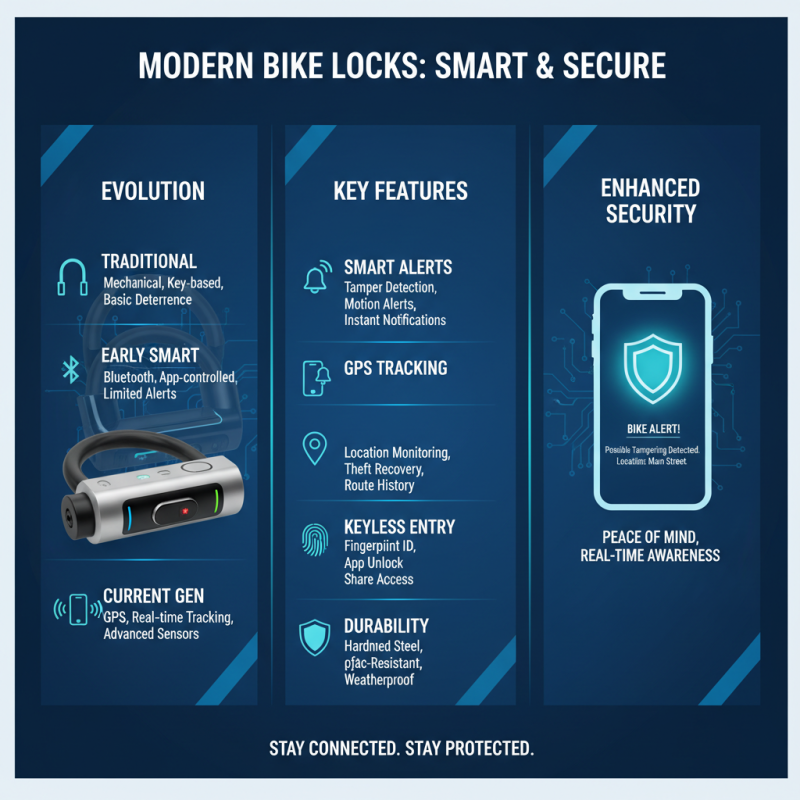
Modern bike locks have evolved significantly, integrating innovative features for enhanced security. Smart technology is now common, providing users with real-time alerts. Imagine receiving a notification on your phone if someone is tampering with your bike. This level of awareness can be crucial in protecting your ride.
Many bike locks also include built-in alarms. When triggered, these alarms emit loud sounds, startling potential thieves. They can deter thefts effectively in crowded areas. Yet, this tech isn't foolproof. Sometimes, false alarms can occur, causing frustration. Adjusting sensitivity levels is necessary for optimal performance.
User convenience is another benefit of modern locks. Keyless models that utilize fingerprint or smartphone authentication are growing in popularity. They eliminate the need for carrying keys. However, reliance on batteries can be a concern. Users must remember to charge or replace them regularly, or risk becoming locked out. Balancing convenience and security is essential for every cyclist.
Budget-Friendly vs. High-End Locks: Evaluating Cost vs. Protection
When choosing a bike lock, budget plays a significant role. Many riders seek budget-friendly options that offer decent protection. Inexpensive locks often provide basic security. However, they may not deter determined thieves. Cheap locks can be easy targets for skilled hands. Riders should weigh the risk of theft against cost.
High-end locks typically offer more robust features. They may include stronger materials and advanced locking mechanisms. Investing in a high-quality lock can provide peace of mind. Yet, the price may not fit every budget. Some might find it hard to justify the extra cost. Therefore, it's essential to evaluate your needs. Consider how often you park your bike in high-risk areas.
A Wholesale Bike Lock might be a way to balance cost and security. Bulk options can make quality locks more affordable. Yet, even in secure purchases, keep in mind thatno lock is entirely foolproof. Riders should continuously question if their current lock meets their security needs. Reflecting on past experiences can help in making better choices for the future.
Comprehensive Guide to Choosing the Best Bike Lock: Security, Durability, and Features of Nurbo Anti-Theft Steel Cable Lock
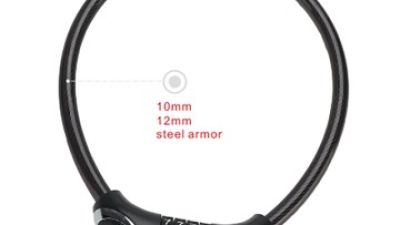
When choosing a bike lock, security, durability, and versatility are paramount. The Nurbo Anti-Theft Steel Cable Lock stands out due to its robust design that integrates a zinc alloy lock cylinder with an ABS case and a PVC-coated wire rope. This combination not only enhances security but also protects against scratches and rust, ensuring that the lock remains functional and aesthetically pleasing over time. The flexible steel cable, measuring 10/12 mm in diameter and 800 mm in length, is particularly useful for a variety of applications—from securing motorcycles and scooters to protecting lawnmowers and grills.
The unique 4-digit resettable code feature allows for up to 10,000 different combinations, significantly increasing the complexity required for potential theft attempts. According to a recent industry report, over 1.5 million bicycles are reported stolen each year, emphasizing the necessity of reliable locking solutions. Choosing a lock with adjustable security settings can deter casual thieves, providing peace of mind for users. Furthermore, the lock's lightweight and portable design make it easy to carry, an essential feature for cyclists who value convenience as much as safety.
Overall, investing in a high-quality lock, like the Nurbo Anti-Theft Steel Cable Lock, is crucial for anyone looking to safeguard their property. Its durable construction and thoughtful design create a reliable barrier against theft, allowing users to focus on enjoying their rides rather than worrying about their equipment.
FAQS
: The product aims to improve daily efficiency for users in various tasks. It offers practical solutions to common problems.
Individuals from different age groups and backgrounds can find value. It might suit busy professionals and students alike.
The product operates through a simple interface. Users can easily follow prompts to achieve desired outcomes.
Yes, it includes time management tools, tracking options, and reminders. These features enhance user engagement and efficiency.
Adjusting to the new system can be difficult. Some users may find it hard to establish routines initially.
Users are encouraged to share experiences through surveys or online platforms. This feedback helps improve the product.
Conclusion
When choosing a Lock For The Bike, understanding the various types of locks available is crucial for ensuring security. The article delves into different security options, including U-locks and chain locks, and compares their durability. It also highlights the importance of lock ratings, such as Sold Secure and ART, which can guide consumers in selecting effective products. With bike theft statistics illustrating the need for higher safety measures, riders are encouraged to adopt best practices for locking their bikes in discrete yet secure locations.
Furthermore, modern bike locks are increasingly featuring innovative technology, such as smart features and alarms that enhance protection. The article addresses the cost considerations, weighing the benefits of budget-friendly locks against high-end options, ultimately emphasizing that a good lock for the bike is an investment towards preserving one’s mobility. By combining the right locking techniques with proper tools, cyclists can significantly reduce the risk of theft.