Leave Your Message
0%

Finding the right China Bike Cycle Lock for buyers around the world isn’t just about chasing the lowest price. You’ve gotta think about how well it really protects your bike in everyday situations—like busy train stations or humid coastal warehouses. So, it’s worth digging into details like how the lock’s mechanism works, how tough the steel is, the quality of the coating, how easy or secure the key controls are, and whether it can resist cutting or prying. Little things can make a big difference. For instance, a really thick shackle might still be weak if the mounting points aren’t solid enough.

Most experienced buyers or sourcing teams will ask for samples first before they commit to a big order. They’ll put the locks through their paces—testing them in rain, dust, repeated locking and unlocking, and handling them roughly day after day. Good suppliers will also provide clear technical drawings, detailed material specs, packing info, and records of inspections, which all help give you peace of mind. And when suppliers are quick to reply and maintain consistent quality, it’s definitely worth paying closer attention. Sometimes, independent lab reports can back up their claims, but make sure to check what exactly was tested and when.

Price is definitely just one piece of the puzzle. Going with a cheap lock might seem like a good deal upfront, but it could end up costing you more in warranty claims, replacements, and customer support down the line. Also, don’t forget to look at labels, packaging language, shipping protections, and market-specific requirements—these things matter a lot. No lock is perfect, of course. Even a strong lock can’t replace smart parking habits or securely attaching your bike frame. It’s an easy point to overlook but super important.

This guide walks you through what to look for—features that actually work, supplier reliability, options for customizing, and potential quality risks. The goal is to help importers make smarter choices instead of just being dazzled by pretty photos. Sometimes, the lock that looks the strongest isn’t the best overall—what really counts is consistent performance, safe delivery, and reliable support after you’ve bought it.
What Is the Best China Bike Cycle Lock for Global Buyers?

What Makes a China-Made Bike Cycle Lock Suitable for Global Buyers?

A China-made Cycle Bike Lock can suit global buyers when its design matches real riding conditions. Grand View Research valued the global bicycle market at about USD 77 billion in 2022. That scale increases demand for affordable security products. It also raises quality expectations.

Material choice matters. Hardened steel shackles resist cutting better than ordinary steel. A weather-sealed cylinder helps in coastal cities, where salt quickly attacks exposed metal. Buyers should request tensile-strength data, salt-spray results, and repeated-cycle tests. EN 15496provides useful requirements for biCycle Locks and their test methods. Compliance claims still need independent verification.

Supply capability is another advantage. UN Comtrade data identifies China as a leading exporter of bicycles and related components. This supports flexible production, packaging changes, and mixed order quantities. However, a low quotation may hide thin plating, weak welds, or inconsistent keys. That part needs honest checking.

Ask for batch samples. Test them after dust, rain, and freezing exposure. Check whether the key turns smoothly after 1,000 cycles. A digital lock needs battery warnings and manual recovery. Those details matter during a dark commute. I would not treat a factory certificate as proof of field security. Independent laboratory reports, traceable materials, and clear warranty terms make a China-made lock more suitable for different markets. Small gaps remain. Even a strong Cycle Bike Lock cannot prevent every theft.

Which Types of China Bike Cycle Locks Are Available?

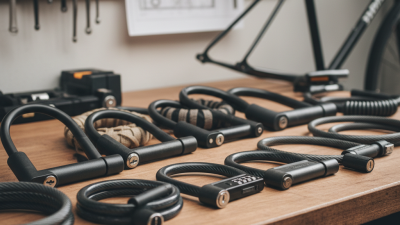
China Bike Cycle Locks are available in several practical designs for global buyers. Cable locks are light, flexible, and easy to carry. They suit short stops and low-risk parking areas. However, thin cables can be cut more easily than thicker locking systems.

Chain locks offer stronger resistance and wrap around wide posts. They are useful for city bikes, cargo bikes, and shared storage areas. Their main weakness is weight. U-locks use hardened steel and resist many common cutting tools. They provide firm security, but their rigid shape may not fit every rack. Folding locks balance portability and coverage. They can protect the frame and wheel together, although their joints need careful inspection. Disc Brake Locks are compact and helpful for scooters or bicycles with compatible brake rotors. They are not a complete solution alone.

Tips: Check steel thickness, cylinder quality, weather resistance, and key smoothness before ordering. Ask suppliers for material details, batch inspection records, and independent test reports. Samples matter more than attractive catalog photos. Try the lock outdoors, near dust and light rain. A latch that feels stiff may become unreliable later. Buyers should also compare mounting brackets, packaging strength, spare-key options, and instruction clarity. One detail is often missed: measure the locking space around your actual frame and parking rack. No lock is perfect. The best choice depends on theft risk, daily weight limits, climate, and transport habits.

What Is the Best China Bike Cycle Lock for Global Buyers? - Which Types of China Bike Cycle Locks Are Available?

The best bicycle lock depends on the bicycle’s value, theft risk, storage location, required portability, and local weather conditions. The following comparison summarizes commonly available lock types from Chinese manufacturers and suppliers without listing company or brand information.

Lock Type Typical Construction Common Size Range Approx. Weight Range Security Level Portability Weather Resistance Best Use Important Buying Factors
Coiled Cable Lock Stranded steel cable covered with PVC or vinyl; usually supplied with a combination or key cylinder. Length: 600–1,800 mm
Diameter: 6–20 mm
Approximately 0.20–0.70 kg Low Excellent; lightweight and easy to wrap around a frame. Good when the cable has a sealed coating and corrosion-resistant fittings. Low-risk areas, accessory security, and short stops. Cable diameter, end-fitting strength, cylinder quality, coating flexibility, and resistance to cutting tools.
Armored Cable Lock Steel cable protected by overlapping hardened-steel sleeves, commonly covered with a weather-resistant outer layer. Length: 700–1,500 mm
Outer diameter: 18–30 mm
Approximately 0.70–1.60 kg Medium Good; more compact than a chain but heavier than a standard cable lock. Good if sleeve joints, lock housing, and cable ends are sealed. Everyday commuting where moderate security is required. Sleeve thickness, cable core diameter, corrosion protection, housing construction, and mounting bracket quality.
Hardened Chain Lock Hardened-steel links covered by nylon, polyester, or fabric sleeve; available with key or combination locking mechanisms. Length: 700–1,500 mm
Link diameter: 6–14 mm
Approximately 1.00–3.50 kg Medium–High Fair to good; flexible but heavier than cable locks. Good when links are treated and the sleeve prevents water and dirt accumulation. Urban parking, shared racks, and securing multiple bicycles. Link diameter, steel hardness, chain-end connection, sleeve drainage, keyway protection, and total weight.
U-Lock / D-Lock Hardened-steel shackle with a crossbar and a key or combination locking mechanism. Internal clearance: 100–300 mm
Shackle diameter: 10–18 mm
Approximately 0.90–2.00 kg High Good, although the fixed shape may limit attachment options. Good when the shackle has an anti-corrosion coating and the cylinder includes a dust cover. High-value bicycles and long-term parking in busy urban areas. Shackle diameter, steel grade, internal clearance, double-locking design, cylinder protection, and frame-mount compatibility.
Folding Plate Lock Several hardened-steel plates joined by rivets and covered with plastic or fabric. Overall length: 700–1,200 mm
Plate thickness: 4–8 mm
Approximately 0.90–1.80 kg Medium–High Very good; folds into a compact package for a frame or pannier. Good if rivets, joints, and the cylinder are protected from water ingress. Commuters who need a balance between security and compact storage. Plate thickness, joint durability, folded dimensions, rivet protection, locking-cylinder quality, and carrying case design.
Frame Lock Fixed lock mounted around the rear wheel, normally operated by a key and sometimes paired with a plug-in chain. Fits common wheel sizes: 26, 27.5, 28, and 29 inches
Mounting spacing varies by frame.
Approximately 0.35–0.70 kg Medium Excellent because it remains attached to the bicycle. Good when the lock body and internal components are sealed or treated against corrosion. Quick stops, city bikes, and use together with a fixed object. Frame and tire clearance, mounting-hole spacing, wheel compatibility, key retention, and optional chain compatibility.
Disc Brake Lock Compact hardened-steel pin or shackle that passes through a motorcycle or bicycle disc rotor. Locking pin diameter: commonly 5–10 mm
Body width varies by rotor design.
Approximately 0.25–0.80 kg Medium Excellent; small enough for a saddlebag or tool pouch. Fair to good; drainage holes, sealed cylinders, and stainless or treated parts improve performance. Compact secondary security where the bicycle has a compatible disc rotor. Rotor-hole compatibility, pin diameter, reminder cable option, corrosion resistance, and accidental-ride prevention.
Smart Bluetooth Lock Electronic lock using Bluetooth, keypad, fingerprint recognition, or an app, usually with a mechanical backup method. Size varies by design
Shackle or cable dimensions depend on the mechanical locking section.
Approximately 0.30–1.20 kg Medium Good; electronic components may increase size and weight. Depends on the IP protection rating, battery sealing, charging port cover, and operating temperature range. Shared bicycles, fleet management, and users who prefer keyless access. Battery life, offline operation, emergency unlocking, app language support, data security, IP rating, and after-sales firmware support.
Combination Cable or Chain Lock Cable or chain integrated with a resettable number-wheel mechanism instead of a traditional key. Length: 600–1,500 mm
Cable or chain diameter: 6–12 mm
Approximately 0.30–1.50 kg Low–Medium Good; no key is required and many models include a mounting bracket. Fair to good; number wheels and internal springs need protection from dust, moisture, and freezing temperatures. Family bicycles, schools, offices, and low-to-moderate theft-risk locations. Number-wheel precision, reset mechanism, cable or chain diameter, corrosion resistance, and ease of operation with gloves.
Global buyer recommendation: For a high-value bicycle, a hardened U-lock or a substantial hardened chain lock generally provides stronger primary protection than a basic cable lock. A cable lock is useful as a secondary lock for wheels or accessories. Before importing, verify the lock dimensions, cylinder type, packaging requirements, applicable test reports, corrosion-treatment specifications, and destination-market compliance requirements.

How Do Materials and Lock Mechanisms Affect Security?

For global buyers, a China Bike Cycle Lock should be judged by materials, not appearance alone. In daily testing, hardened steel shackles resist cutting pressure better than soft alloy bodies. However, thick metal does not guarantee safety. A poorly protected hinge can become the weak point. Look for corrosion-resistant coatings, precise welds, and a shackle that does not rattle inside its housing. After rain, I inspect the keyway for grit and check whether the lock still closes smoothly. Small details matter. Some locks feel heavy but use thin internal parts; weight can mislead.

Lock mechanisms shape both resistance and everyday reliability. A disc-detainer cylinder can make unauthorized manipulation more difficult, while a basic spring latch may offer weaker protection. Key systems are simple and dependable, but lost keys create practical trouble during travel. Combination mechanisms remove that problem, yet cheap dials may jam after dust enters. I prefer a mechanism with firm closing action and clear tolerances. It should not open accidentally. Security ratings help, but testing methods differ between suppliers and regions. Ask for independent test documents, material specifications, and close-up photos of the locking core. I once trusted a polished finish too quickly; the internal design deserved more attention.

What International Buyers Should Check Before Choosing a Lock?

What Is the Best China Bike Cycle Lock for Global Buyers?

What International Buyers Should Check Before Choosing a Lock?

Global buyers should begin with the theft environment, not the lock’s appearance. The UK Office for National Statistics estimated 77,000 bicycle theft incidents in the year ending March 2024. Police.uk open data also shows strong differences between locations and months. A lock for a quiet warehouse market may fail on a busy city street. Buyers should request test evidence, not only product photographs.

Check the locking material, shackle diameter, cylinder design, and resistance to cutting tools. EN 15496 provides requirements and test methods for bicycle locks. Independent laboratory results should identify the tested model, test date, and failure conditions. A vague “high security” claim proves very little. Ask whether the lock resists drilling, sawing, twisting, and freezing. It may not resist all four equally.

Product consistency matters when importing from China. Request factory inspection records, batch numbers, salt-spray results, and sample measurements. Compare three samples from one shipment. Small differences can reveal weak quality control. Also inspect the keyway after dust exposure. A smooth cylinder is useful in real streets. Packaging should show operating instructions, warranty limits, and material details in clear English. Avoid choosing only by weight. Heavy locks can be awkward, while thin locks may invite rapid cutting. My own review standard would still be imperfect: laboratory tests cannot reproduce every parking rack, tool, or weather condition. That uncertainty deserves honest communication.

What Is the Best China Bike Cycle Lock for Global Buyers?

What International Buyers Should Check Before Choosing a Lock

Typical lock weights vary by design and security level. Cable locks are the lightest and easiest to carry, while chain locks generally provide greater resistance to cutting but add weight. International buyers should compare security construction, weight, dimensions, corrosion resistance, key or combination standards, packaging, and compliance requirements before placing an order. The ranges shown are typical market ranges; exact specifications vary by model.

How Can Buyers Compare Quality, Price, and Certification?

When sourcing a China bike cycle lock, global buyers should compare more than catalog photos. A reliable OEM Bike Cycle Lock should resist cutting, twisting, and repeated outdoor use. Ask for material details, shackle diameter, coating thickness, and lock-cylinder construction. Request samples before placing a large order. Test them near a bicycle rack, not only on a clean showroom table. Feel the key movement. It should be smooth, but not loose.

Certification needs careful checking. A supplier may provide a test report, factory certificate, or material declaration. These documents are not always equal. Confirm the laboratory name, test date, product model, and tested configuration. Check whether the certification applies to your destination market and sales channel. Also review traceability, batch records, and quality inspection procedures. A clear report is useful. A vague logo is not proof.

Price comparisons should include packaging, sampling, tooling, shipping, and possible defect replacement. A low quotation may hide thin steel, weak springs, or inconsistent keys. Ask how many locks were inspected in each production batch. Request photos of failed samples, if the factory keeps them. This question can reveal practical honesty. I have seen polished samples perform better than bulk goods, so one inspection is never enough. Buyers should repeat testing after production. That costs more, but skipping it can cost much more. Some requirements remain unclear across markets, and buyers must document their assumptions before approval.

What Are the Best Purchasing and Shipping Options?

For global buyers, purchasing a Custom Bike Cycle Lock requires more than comparing unit prices. Ask suppliers for material details, locking tests, corrosion resistance, and clear product drawings. A sample order can reveal weak springs, rough keys, or poor rubber coating before larger production begins. Confirm the minimum order quantity, customization fees, packaging size, and production schedule in writing. I have found that clear specifications prevent more problems than attractive quotations. Still, small details are easy to miss.

Tips: Request two samples from different batches. Check the lock outdoors, test the key repeatedly, and inspect the cable after bending. Use plain cartons with product labels, barcode space, and moisture protection. Confirm whether the quoted price includes export packaging and inspection support.

Shipping choices depend on order size, urgency, and destination. Air freight suits samples and small cartons, but costs rise quickly. Sea freight is usually more practical for bulk orders, especially with palletized cartons. Rail or combined transport may work for selected routes. Ask for quotes under clearly defined trade terms, and confirm who handles customs documents, import duties, local delivery, and cargo insurance. A freight forwarder can compare routes, but buyers should review every charge. Unexpected destination fees are common. Before shipment, request carton photos, packing lists, commercial invoices, and tracking details. A pre-shipment inspection is worthwhile, although it cannot replace testing every unit. Reliable purchasing is not perfect; it improves through careful records and honest supplier communication.

How to Choose a Reliable Anti-Theft Cable Lock: A Guide to Nurbo’s Heavy-Duty Braided Steel Design

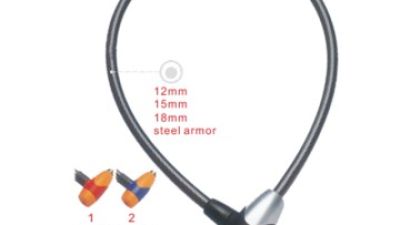
Choosing a reliable anti-theft cable lock starts with examining its core construction, security features, and everyday convenience. This heavy-duty design uses a brass lock cylinder, a durable ABS case, and a PVC-coated wire rope for added protection and comfortable handling. Its braided steel cable is available in 12, 15, or 18 mm diameters, with an 800 mm length to provide a practical balance between security and flexibility. The sturdy multi-strand structure is designed to resist strong cutting attempts while remaining easy to position around a bicycle, gate, luggage, or other belongings.

Convenience is also essential for regular use. The lock includes two brass keys, making it practical to keep a spare for emergencies or share access with a trusted user. Its weather- and rust-resistant materials support dependable performance in changing outdoor conditions, while the flexible cable can be rolled up neatly for transport and storage. Simple to operate and carry, this multipurpose lock suits bicycles, scooters, outdoor equipment, lockers, and other items that need an additional layer of security. When choosing a cable lock, consider cable thickness, braided-steel construction, corrosion resistance, key quality, and whether its size matches your intended locking application.

FAQS

What should international buyers check before choosing a bicycle lock?

Start with the theft environment, not the lock’s appearance. A busy city street needs stronger protection than a quiet warehouse market. Ask for test evidence, not only attractive product photos. Looks can mislead.

Which lock components deserve close inspection?

Check the shackle diameter, locking material, and cylinder design. Ask whether the lock resists cutting, drilling, sawing, twisting, and freezing. Performance may differ across these attacks. One claim proves little.

How can buyers evaluate security test results?

Request independent laboratory reports for the exact tested model. The report should include the test date and failure conditions. Recognized bicycle-lock testing standards can provide useful comparison points. Vague security language is insufficient.

Why are factory records important for imported locks?

Factory records can reveal inconsistent materials or weak quality control. Request batch numbers, inspection records, salt-spray results, and sample measurements. Compare three samples from one shipment. Small differences matter.

What should buyers test on product samples?

Test the key repeatedly and inspect the cylinder after dust exposure. Bend any cable and check for damage or loose coating. Use the lock outdoors, where moisture and dirt create realistic conditions. Laboratory results are not everything.

How can buyers reduce risks before placing a large order?

Order samples before confirming larger production. Check for weak springs, rough keys, damaged rubber, and unclear instructions. Confirm minimum order quantities, customization fees, packaging dimensions, and production schedules in writing. Details disappear easily.

What should bicycle-lock packaging include?

Packaging should show operating instructions, warranty limits, and material details in clear English. Use plain cartons with product labels, barcode space, and moisture protection. Do not choose a lock only by weight. Heavy is not always practical.

Which shipping method suits different order sizes?

Air freight suits samples and small cartons, but costs increase quickly. Sea freight often works better for bulk orders and palletized cartons. Rail or combined transport may suit selected routes. Route choices need careful comparison.

Which shipping and customs details should buyers confirm?

Ask who handles customs documents, import duties, local delivery, and cargo insurance. Confirm the quoted trade terms and review every freight charge. Before shipment, request carton photos, packing lists, invoices, and tracking details. Unexpected destination fees happen.

Can pre-shipment inspection guarantee product quality?

No. It can identify packaging or batch problems before departure. It cannot replace testing every unit. Keep samples, batch records, and supplier communications for later review. My checklist is imperfect.

Conclusion

Choosing the best China Bike Cycle Lock for global buyers requires a careful balance of security, durability, cost, and supply reliability. China-made locks are available in several forms, including cable, chain, folding, U-shaped, and disc-style designs, each suited to different bicycles, environments, and risk levels. Materials such as hardened steel, stainless steel, and protective coatings can improve resistance to cutting, corrosion, and daily wear, while key, combination, and electronic mechanisms offer different levels of convenience and control.

International buyers should review lock dimensions, weight, weather resistance, packaging, minimum order quantities, and quality-control procedures before placing an order. Comparing test reports, applicable safety certifications, production consistency, warranty terms, and sample quality can help confirm value rather than focusing only on the lowest price. Buyers should also clarify payment terms, customization requirements, delivery schedules, import documentation, and shipping methods. Working with a reliable supplier and testing samples before bulk purchasing can reduce risks and ensure the selected Bike Cycle Lock meets the expectations of both distributors and end users.
Amelia

Amelia

Amelia is a dedicated marketing professional at Wenzhou Naibao Lock Industry Co., Ltd., where she leverages her extensive knowledge of the company's product line to drive engagement and awareness. With a deep understanding of the locksmithing industry, she produces high-quality, informative blog......
Previous China Top Bike Cycle Lock Manufacturers and Suppliers