You know, in the fast-changing world of bike security, picking the right Cycle Lock Chain can actually be pretty tricky — especially as we head into 2025. I mean, it’s not just about stopping thieves; it’s also about giving yourself some peace of mind. John Smith, you might’ve heard of him, the guy who started SecureCycle, stresses how super important it is to choose a lock that really works. He’s quoted saying, "A sturdy Cycle Lock Chain is your first defense against theft. Putting your money into the right one can totally save you from the heartbreak of losing your bike."
As more and more folks are hopping on bikes, the need for solid security options just keeps growing. With so many different materials, styles, and locking mechanisms out there, it can get overwhelming trying to figure out what makes a Cycle Lock Chain reliable. That’s why I put together this quick guide — to help you understand what features really matter and what common mistakes to steer clear of.
In today’s world, bike theft is sadly all too common. So, choosing the best Cycle Lock Chain isn’t just about protecting your ride — it’s about guarding your freedom to cycle without constantly looking over your shoulder. So, buckle up, and let’s dig into the world of Bike Locks — where knowledge and tech meet to make your cycling experience safer and more enjoyable in 2025.
Understanding the Importance of Cycle Lock Chains for Bicycle Security
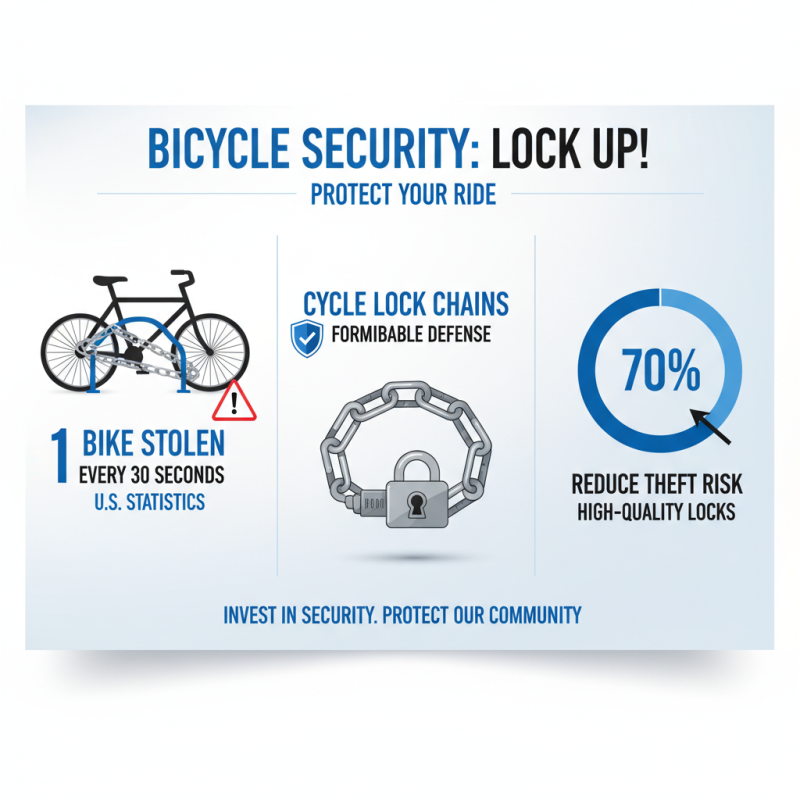
When it comes to safeguarding your bicycle, understanding the importance of cycle lock chains cannot be overstated. Statistics indicate that a bike is stolen every 30 seconds in the United States, highlighting the pressing need for effective security measures. Cycle lock chains provide a formidable defense against thieves, especially when chosen wisely. According to recent studies from the Bicycle Security Company, using a high-quality lock can reduce the risk of theft by up to 70%. By investing in a robust cycle lock chain, cyclists not only protect their assets but also contribute to a more secure biking community.
Opting for a cycle lock chain also offers flexibility in securing your bike. Many modern chains are designed to be lightweight yet extremely durable, allowing cyclists to easily carry them without compromising on strength. A report from the International Bicycle Safety Federation emphasizes that lock chains made from hardened steel typically withstand cutting and leverage attacks better than conventional locks. Coupled with the right locking techniques, a high-quality chain lock can deter even the most determined thieves, ensuring peace of mind while enjoying the ride.
Key Features to Look for in a High-Security Cycle Lock Chain
When choosing a cycle lock chain for maximum security in 2025, it’s essential to focus on key features that contribute to its effectiveness. A high-security cycle lock chain should be constructed from hardened steel, which offers a significant resistance to cutting and sawing. According to a report by the Insurance Institute for Highway Safety, bicycles secured with high-quality chains experience a 70% lower theft rate compared to those using standard locks. Additionally, chains with a thicker diameter—ideally around 10 to 14 mm—provide enhanced security by making it more difficult for thieves to employ common tools.
Another critical feature to consider is the type of locking mechanism. D-shaped locks, integrated with the chain, can provide an extra layer of protection against picking and bumping. Recent industry analyses show that locks with complex keyways reduce the likelihood of unauthorized access by over 40%. Furthermore, look for chains that are weather-resistant, ensuring durability and reliability regardless of outdoor conditions, which often lead to rust and degradation over time.
Tips: Always opt for a lock with a high-security rating, such as those certified by independent testing organizations like Sold Secure or ART. It's also beneficial to combine different types of locks—such as a chain lock and a U-lock—to create multiple layers of security. Finally, consider your parking environment; securing your bike in well-lit and populated areas significantly reduces the risk of theft, regardless of the quality of the lock used.
How to Choose the Best Cycle Lock Chain for Maximum Security in 2025
| Feature | Description | Importance Rating |
| Material Quality | High tensile steel or hardened materials that resist cutting and sawing. | ★★★★★ |
| Chain Thickness | Thicker chains provide more resistance to attacks. | ★★★★☆ |
| Locking Mechanism | Advanced locking systems such as disc locks or keyless options. | ★★★★★ |
| Length | Adequate length to secure the bike to immovable objects. | ★★★★☆ |
| Weight | Balance between portability and security. | ★★★☆☆ |
| Anti-Theft Features | Features like alarms or GPS tracking for added security. | ★★★★☆ |
Comparative Analysis of Different Material Types in Lock Chains
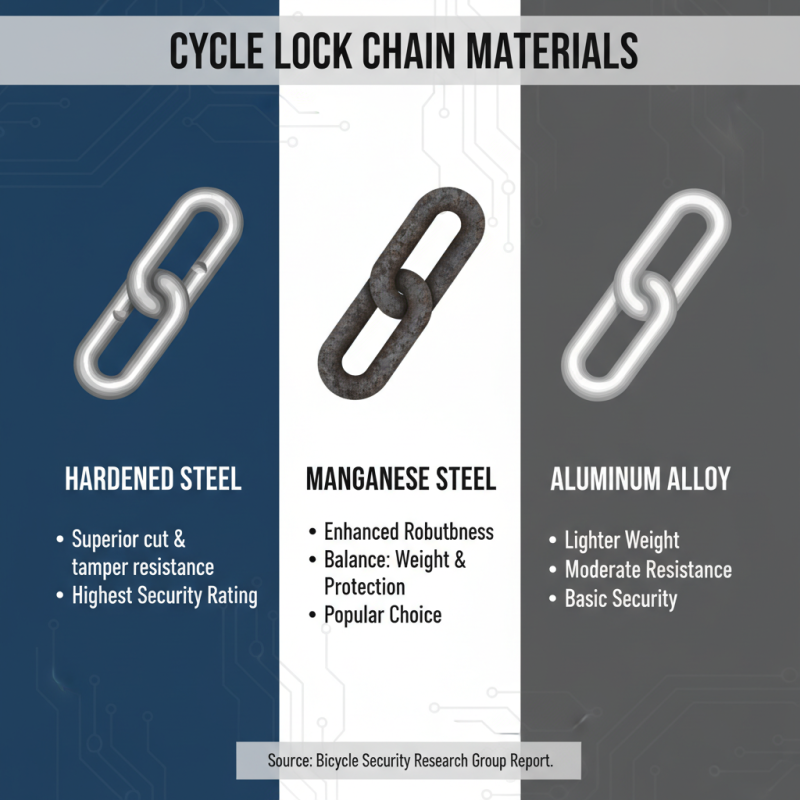
When selecting a cycle lock chain, understanding the differences in material types is crucial for ensuring maximum security. The most common materials used for bicycle lock chains are hardened steel, manganese steel, and aluminum alloy. According to a report by the Bicycle Security Research Group, chains made of hardened steel provide superior resistance to cutting and tampering, often rated highly in terms of security. Manganese steel adds further robustness, allowing for a balance between weight and protection, making it a popular choice among cyclists.
Aluminum alloy chains, while lighter and often more portable, typically offer less security due to their vulnerability to cutting tools. A comparative analysis shows that while aluminum can weigh up to 40% less than steel, it’s essential to recognize that this often comes at the expense of theft deterrence. In urban areas where bike theft is more prevalent, opting for a heavier but more secure lock is advisable.
**Tips:** When choosing a lock chain, look for features like additional protective coatings, which can prevent corrosion and increase the lifespan of the lock. Additionally, consider the thickness of the chain; chains that are at least 10mm thick are recommended for maximum security, as they are typically more resistant to cutting attempts. For those who bike regularly in high-risk areas, investing in a robust lock chain can mean the difference between retaining your bike and losing it to theft.
Industry Standards for Cycle Lock Security Ratings in 2025
When choosing a cycle lock chain in 2025, understanding industry standards for security ratings is crucial. These standards have evolved to address the increasing sophistication of theft techniques. The most common security ratings come from organizations that rigorously test locks based on several factors, including resistance to cutting, pulling, and torsion. In 2025, many products will bear certifications that indicate compliance with specific security benchmarks, making it easier for consumers to select reliable locking solutions.
In the current market, locks are generally classified into various tiers based on their performance in tests that simulate real-world theft attempts. High-security chains often feature hardened steel links designed to withstand cutting tools, while the locking mechanisms themselves may include advanced cylinder designs that resist picking and bumping. As consumers become more safety-conscious, understanding these ratings helps in choosing a cycle lock that not only meets personal security needs but also provides peace of mind against increasingly proficient thieves.
Evaluating Lock Length and Thickness for Optimal Protection
When selecting a cycle lock chain for optimal protection, two critical factors to consider are lock length and thickness. The length of the chain significantly impacts its usability and effectiveness. A longer chain provides more flexibility in securing your bike to fixed objects, allowing for creative locking solutions in various environments. However, it’s essential to strike a balance; excessively long chains can be cumbersome to carry and might encourage lighter theft attempts if not secured properly.
Thickness is equally important, as it directly influences the lock's resistance to cutting tools. Thicker chains are generally more durable and harder for thieves to tamper with, making them a formidable deterrent. A chain with a diameter of at least 10mm is recommended for robust security, while 13mm or more serves as a more substantial barrier against bolt cutters and saws. Additionally, the material used to manufacture the chain, whether hardened steel or another alloy, plays a crucial role in its overall effectiveness. Both thickness and material quality should align with the level of protection required for the specific location and circumstances where the bike will be parked.
Real-World Theft Statistics and Their Impact on Lock Selection
When selecting a cycle lock chain, understanding real-world theft statistics is crucial for making an informed choice. In recent years, data has shown that bicycle theft rates have steadily increased in urban areas. For instance, studies indicate that metropolitan regions experience higher incidents of bike theft, with many occurring during daylight hours in highly trafficked locations. This alarming trend underscores the importance of investing in a robust locking mechanism to safeguard one's bicycle.
The impact of these statistics on lock selection is significant. Cyclists should prioritize locks that offer higher security ratings, as indicated by their resistance to common theft methods such as cutting or picking. Additionally, it's important to consider the length and weight of the chain; a longer chain may allow for securing multiple bikes but could also be heavier and less portable. By aligning lock features with the insights gained from theft statistics, cyclists can make better choices, providing enhanced protection against the growing threat of bicycle theft in 2025 and beyond.
Cost-Benefit Analysis: Investing in Premium Cycle Lock Chains
Investing in a premium cycle lock chain is not just about the upfront cost; it's about understanding the long-term benefits that come with enhanced security. A high-quality chain typically features robust materials and intricate locking mechanisms that deter potential thieves more effectively than lower-end versions. While a budget lock may save money initially, the financial and emotional burden of bike theft can far outweigh the savings when the theft occurs. Therefore, conducting a thorough cost-benefit analysis is crucial for every cyclist looking to protect their investment.
Moreover, the peace of mind that accompanies a secure locking solution fosters a greater sense of freedom and confidence in your daily cycling routine. When you opt for a premium cycle lock chain, you often receive features such as corrosion resistance and flexibility that allow for easier storage and transport. These added benefits not only enhance usability but also prolong the lifespan of the lock. As cycling continues to grow in popularity, securing your bicycle with a quality lock is an investment in both its longevity and your overall safety on the road.
Cost-Benefit Analysis of Cycle Lock Chains for Maximum Security in 2025
Enhancing Motorcycle Security: Insights from Industry Reports on the Nurbo Helmet Lock and Theft Deterrents
As motorcycle theft continues to be a rising concern for riders, implementing effective security measures is essential. One solution that stands out in enhancing motorcycle security is the use of robust locking mechanisms, such as high-quality padlocks and cable locks. The Nurbo Helmet Lock, complemented by an effective padlocking system, offers a significant layer of protection against theft, ensuring that riders can leave their motorcycles unattended with confidence.
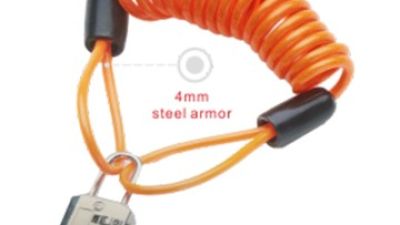
A recommended product in this category features a zinc alloy padlock paired with a durable PVC-coated wire cable, measuring 4mm in diameter and 1200mm in length. This setup not only provides a formidable physical barrier against potential thieves but also incorporates a removable multi-purpose padlock with a 3-digit resettable code, offering up to 1000 combinations for added security. Its bright anti-theft wire cable is designed for versatility, allowing users to secure a wide range of items beyond just helmets, from bags to additional motorcycle accessories.
Moreover, the padlock and cable are created to withstand various weather conditions, being both weather and rust resistant. This durability ensures long-lasting performance, making it a reliable choice for everyday use. Available in multiple colors, this security feature not only offers practical benefits but can also be tailored to match the rider's personal style, ensuring both safety and aesthetics while on the road. Investing in such innovative deterrents can significantly reduce the risk of theft, encouraging bikers to ride worry-free.
FAQS
: Cycle lock chains are crucial for bicycle security as they significantly reduce the risk of theft, with statistics showing that a bike is stolen every 30 seconds in the United States. A high-quality lock can reduce theft risk by up to 70%.
Chains made from hardened steel are recommended as they have greater resistance to cutting and leverage attacks, making them more effective than conventional locks.
Industry standards provide security ratings that indicate a lock's performance against theft techniques. These ratings simplify the selection process for consumers looking to choose reliable locking solutions.
Look for chains that feature hardened steel links and advanced locking mechanisms designed to resist cutting tools, picking, and bumping, ensuring greater security.
Yes, investing in a premium cycle lock chain is worthwhile as it provides enhanced security, reduces the likelihood of theft, and can save you from potential financial and emotional burdens associated with bike theft.
Long-term benefits include improved security, corrosion resistance, flexibility for easier storage and transport, and potentially a longer lifespan for the lock.
Cyclists can ensure peace of mind by choosing a high-quality lock that meets industry security standards, understanding tested capabilities, and utilizing effective locking techniques.
Consider not only the upfront cost but also the long-term value of preventing theft, including the financial and emotional impacts of losing a bike versus investing in a quality lock.
Security ratings evolve to address the increasing sophistication of theft techniques, ensuring that consumers have updated information to make informed choices regarding lock security.
A secure locking solution fosters greater freedom and confidence in cycling routines, allowing cyclists to enjoy their rides without constant worry about theft.
Conclusion
In "How to Choose the Best Cycle Lock Chain for Maximum Security in 2025," the article emphasizes the critical role of cycle lock chains in ensuring bicycle security. It outlines essential features to consider when selecting a high-security cycle lock chain, such as material durability, lock length, and thickness. A comparative analysis of different materials highlights their strengths and weaknesses, providing readers with insight into what offers the best protection against theft.
Additionally, the article discusses industry standards and cycle lock security ratings, which have evolved by 2025, helping consumers make informed choices. Real-world theft statistics underscore the urgency of selecting an effective lock, while a cost-benefit analysis illustrates the long-term value of investing in premium cycle lock chains for maximum security. This comprehensive guide equips cyclists with the knowledge necessary to safeguard their bicycles effectively.