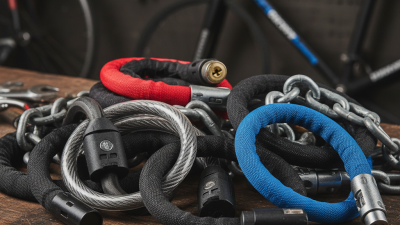
Lately, more and more folks are catching on to cycling, but with that comes a real concern about bike thefts. Did you know that, according to the National Bike Registry, over 1.5 million bikes get stolen every year just in the U.S.? Honestly, a lot of riders don’t really realize how important it is to have a solid security setup. That’s where a good Cycle Lock Chain can make a huge difference.
Picking out the right lock isn’t always easy, though. The market’s loaded with options—different materials, security features, you name it. A survey from Kryptonite found that about 30% of bike owners have had their bikes stolen because their locks weren’t good enough. That really shows just how common it is for folks to underestimate how crucial a reliable lock is. Using a sturdy Cycle Lock Chain can seriously cut down your chances of getting your ride stolen.
Even with all the fancy lock tech out there, some riders still overlook the basics of locking up properly. It’s super important to understand your environment—are you locking up in a shady area or a busy street? You want to pick a Cycle Lock Chain that not only fits your budget but also matches the security level you need based on where you usually park. Keep in mind, even the fanciest lock isn’t foolproof if you don’t use it the right way or put it in a good spot.
Factors to Consider When Choosing a Cycle Lock Chain
When selecting a cycle lock chain, several factors come into play. The material of the chain is crucial; hardened steel offers higher resistance to cutting. Look for chains with a thick diameter. A thicker chain is generally more challenging to cut through. Pay attention to the weight as well. A heavier chain may be more secure but can also be cumbersome to carry, especially on longer rides.
Locking mechanism is another key consideration. Different locks, like those with key or combination mechanisms, have varied reliability. A good locking mechanism should withstand tampering attempts. Additionally, check the length of the chain. A longer chain provides more flexibility in securing your bike, but it can also be a target for thieves if not properly secured.
Ultimately, user experiences matter. Research online reviews for insight, but take note of varying opinions. Some users express concerns over portability versus security. What works for one individual may not for another. Reflecting on your specific needs and circumstances can guide you towards the best choice for your bike.
Material Composition: Steel Grades and Their Impact on Security
When considering the security of your bicycle, the material composition of your Chain Cycle Lock is crucial. Steel grades can significantly impact the strength and durability of locks. For instance, hardened steel offers better resistance to cutting than standard steel. According to industry reports, locks made from 12mm to 16mm hardened steel chains are often recommended for maximum protection. These thicker chains are more resistant to bolt cutters and various other attack methods.
The impact of material composition extends beyond just the thickness of the steel. Some locks may use special alloys or treatments to enhance their resilience. Reports show that locks made from specifically tempered steel provide increased security against impact and torsion. However, this doesn’t mean all steel locks are created equal. Variations in steel quality lead to varying performance. In practice, it’s essential to research the steel grade used in any Chain Cycle Lock to ensure it meets security needs.
Consumers should also consider factors like weight and flexibility. A heavier lock may deter theft but could be inconvenient to carry. On the other hand, lightweight options might compromise security. Balancing these elements is a challenge many face. Not all users are aware of how these choices affect the lock's effectiveness. Informed decisions lead to better security outcomes. As a result, understanding the material composition and its implications is vital for any cyclist concerned about theft.
Comparison of Steel Grades Used in Cycle Lock Chains
Chain Thickness: Understanding the Balance Between Portability and Protection
When choosing cycle lock chains, thickness plays a crucial role in balancing portability and protection. A study by the National Bike Registry revealed that a lock's thickness can significantly impact its resistance to cutting tools. For example, chains thicker than 10mm often withstand bolt cutters far better than thinner alternatives. However, heavier chains can be cumbersome and less practical for everyday use.
A report from the Bicycle Security Research Group highlights that many cyclists prefer chains in the 10-13mm range. These offer a good mix of flexibility and security. Hefty locks may deter thieves but can also be a burden to carry. Many users find themselves making trade-offs between weight and security. Some chains, marketed as lightweight, may compromise on effective protection.
Ultimately, cyclists need to reflect on their specific needs. Situations vary; longer commutes may warrant a robust chain, while short errands could benefit from a lighter lock. Evaluating personal routines helps in making decisions that enhance security without sacrificing convenience. Understanding your environment and typical bike theft rates can guide your choice of chain thickness effectively.
Lock Types: Evaluating Padlocks vs. Integrated Lock Mechanisms
When choosing a cycle lock, the type of locking mechanism can significantly impact security. Integrated lock mechanisms are efficient, often designed as part of the chain. They offer seamless use and can be easier to handle, especially in a hurry. However, this integration can also present vulnerabilities. If the mechanism fails, the entire unit may become useless.
On the other hand, padlocks provide versatility. They can pair with various chain locks, allowing users to mix and match. This flexibility is appealing for those who own multiple bikes. However, not all padlocks offer the same level of security. Many models are susceptible to common lock-picking techniques, which could compromise your bike.
When choosing your Cycle Chain Lock, consider these factors. What levels of security do you truly need? Is convenience more important than an extra layer of protection? These choices require careful consideration. They ultimately impact how secure your bike remains in a vulnerable environment. Balancing these elements is essential for your peace of mind.
Security Ratings: How to Interpret Sold Secure and ART Ratings
When selecting a cycle lock chain, understanding security ratings is critical. The Sold Secure and ART ratings provide a reliable measure of a lock's effectiveness. The Sold Secure rating is awarded by testing locks against common attack methods. Gold-rated locks demonstrate the highest resistance, while silver and bronze ratings indicate varying security levels. ART, a Dutch organization, offers similar ratings. Their categories include 1 to 5 stars, correlating to theft resilience. Choosing at least a 4-star rated lock is advisable for optimal protection.
Some industry reports indicate that over 50% of bicycle thefts occur in urban areas. Thieves often target locations with weaker security measures. Therefore, picking a robust lock chain is vital. Chains made with hardened steel and thick links add layers of security. A well-rated lock chain must resist bolt cutters and saws for lasting protection.
Tip: Always secure your bike in well-lit, busy areas to deter potential thieves. Invest in a China Cycle Lock Chain known for durability and effectiveness. Regularly inspect your lock for signs of wear and replace it if necessary. Enhancing your bike's security is not just about the lock; it’s about your environment too. Secure your belongings wisely.
User Reviews and Industry Reports: Insights from Real-World Testing
When selecting the best cycle lock chains for security, user reviews offer valuable insights. These reviews often highlight real-world experiences, revealing patterns in performance. For instance, some chains are noted for their strength but can be heavy and cumbersome. Others are lighter but may lack robust security features, leaving users reflecting on their unique needs.
It's essential to consider the feedback regarding ease of use. Many cyclists appreciate locks that are easy to handle but fear they might compromise security. A balance must be struck here. Tips for optimizing lock performance include always securing your bike in high-traffic areas and using two types of locks for increased security.
Additionally, users frequently mention the importance of checking for wear on the lock. A neglected chain can be just as vulnerable as a flimsy one. Regular maintenance can significantly enhance the lifespan of your lock. Remember, the lock you choose should align with your cycling habits, lifestyle, and the environment where you park. Every cyclist's experience is unique, and reflecting on your own usage is crucial for making the best choice.
Top Brands in Cycle Lock Chains and Their Market Reputation
Choosing a reliable cycle lock chain is crucial for ensuring the security of your bicycle. Various brands excel in creating durable and effective lock chains. They use high-quality materials and innovative designs to deter theft. Market reputation often reflects a brand’s commitment to safety. Reviews and user experiences can provide insights into how well a chain performs in real-world situations.
Many reputable brands have a long-standing history in the industry. They prioritize research and development, leading to advanced security features. Customers often share feedback about their experiences, emphasizing the importance of reliability. While some products may claim maximum security, it's essential to assess whether they meet real-world needs. Look for those with positive testimonials and a track record of preventing theft.
Considering an OEM Cycle Lock Chain is one way to explore reliable options. These chains are designed with effectiveness in mind but may not always be the most affordable. Users sometimes find it challenging to balance cost and quality. Researching user experiences and expert reviews can help clarify any doubts. The cycle lock market is diverse, and the best choice often depends on individual needs and preferences.
FAQS
: Chain thickness greatly affects a lock's resistance to cutting tools and overall security.
Cyclists typically prefer chains in the 10-13mm range for a mix of safety and ease of use.
While heavier chains provide better protection, they can be cumbersome for daily use.
Cyclists should reflect on their specific needs, like commute length and security requirements.
User reviews reveal real-world performance insights, helping others evaluate different lock options.
Regularly checking for wear and maintaining the lock can enhance its effectiveness.
Lighter locks may lack robust security features, which can leave bikes vulnerable to theft.
Using two different locks can deter thieves and enhance overall bike security.
It's important to research user experiences and check for long-term reliability and effectiveness.
Many users find it difficult to balance cost versus quality and security features.
Conclusion
When selecting a cycle lock chain for ultimate security, several factors should be carefully considered. The material composition, particularly the steel grades used, plays a crucial role in determining the lock's strength and durability. Thicker chains generally offer better protection but can sacrifice portability, striking a balance is essential. Additionally, the choice between padlocks and integrated lock mechanisms can impact the overall security level. Understanding security ratings, such as Sold Secure and ART, helps in assessing the effectiveness of different options.
User reviews and industry reports provide valuable insights into the real-world performance of cycle lock chains, helping consumers make informed decisions. By examining all these aspects, including the market reputation of top brands, cyclists can choose a cycle lock chain that best meets their security needs without compromising on convenience.