Leave Your Message
0%

So, what is a Chain Cycle Lock? Basically, it’s a pretty practical security option for bikes, motorcycles, gates, and other stuff that can be moved. You’ve got linked steel sections and a locking body, which together make a flexible barrier around a frame, wheel, post, or whatever fixed structure you’re using. And unlike those rigid U-locks, a chain can twist and reach weird angles and wider anchor points. That comes in handy in crowded bike racks, narrow railings, and outdoor storage areas. But — and yeah, there’s a but — that same flexibility can become a weakness if the chain just sits loosely on the ground.

So how does it actually work? The chain is there to resist cutting and forced movement, while the lock controls access through a key or combination. When you secure it right, the lock keeps the chain closed and limits movement between your stuff and the anchor. Still, a strong setup isn’t just about chain thickness. Steel quality, link design, lock construction, anchor strength, and placement all play a role. Try to keep the chain tight and up off the ground when you can. And don’t leave valuable parts hanging out there.

Real-world experience? No lock gives you absolute protection. Even a Heavy Chain Lock Cycle can fail if it’s wrapped around a weak post or a poorly secured bike. You’ll also see the termCycle Lock Chain in product descriptions, though manufacturers often use different names for similar designs. This guide looks at the working mechanism, material choices, security ratings, and everyday handling of these locks. It also talks about the practical limits — that part is easy to overlook. In the end, reliable protection comes from matching the lock to the environment, how long you’re storing something, and how much the equipment is worth.
What Is a Chain Cycle Lock and How Does It Work?

Definition and Basic Structure of a Chain Cycle Lock

A Chain Cycle Lock is a bicycle security device made from connected metal links. It protects a bicycle by joining the frame to a fixed, stable object. Unlike a rigid lock, its flexible chain can wrap around narrow posts, railings, and awkward supports. Its basic structure has four main parts: the chain, protective sleeve, locking head, and key or combination system. Together, these parts create a movable barrier against unwanted movement.

The chain contains hardened steel links joined in a continuous loop or connected at both ends. A fabric or rubber sleeve covers the metal surface. This helps reduce scratches on the bicycle frame and limits contact with moisture.

At one end, the locking head receives a key or combination code. The internal mechanism holds the final link securely. Some designs include a rotating cover that helps keep dust away from the keyway.

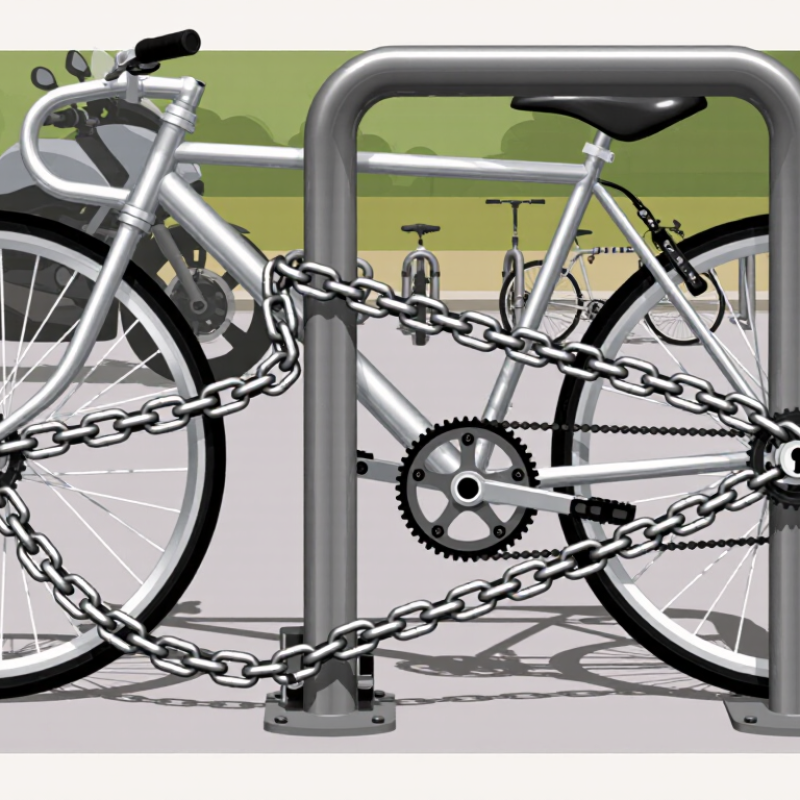
In practical use, the chain should pass through the frame and one wheel whenever possible. It should then connect to a solid anchor point. Keep the chain close to the bicycle. A loose chain can swing against the frame and offer more space for tampering.

The lock is useful, but it is not perfect. Weight, corrosion, and poor positioning can reduce its performance. I have found that many users focus on thickness and ignore handling habits. Small details matter. Regularly inspect the links, sleeve, and locking head for damage.

How the Locking Mechanism Works

What Is a Chain Cycle Lock and How Does It Work?

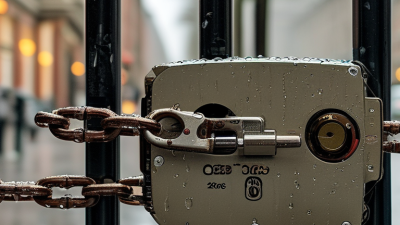
A chain cycle lock uses hardened steel links joined into a flexible loop. The chain wraps around a bicycle frame, wheel, and fixed object. Its locking mechanism connects both chain ends inside a compact lock body. This design allows the lock to bend around awkward spaces, unlike a rigid bar.

Inside the lock, a key rotates a plug or cylinder. Small pins, discs, or internal plates must align before the plug can turn. Once aligned, the plug moves a retaining bolt away from the chain-end fitting. The chain opens. When locked, the bolt returns into place and blocks that fitting from pulling free. A strong click does not always prove full engagement. Check it physically.

Tips: Keep the lock body away from the ground. Attack tools gain more support against hard surfaces. Thread the chain tightly, leaving little loose space. Inspect the links, sleeve, and keyway for damage. Dirt can prevent the bolt from seating correctly. A light, suitable lubricant may help, but excess oil attracts grit. I used to think chain thickness alone showed security. That assumption is incomplete. The lock cylinder, end fitting, and attachment point matter just as much. No mechanical lock is perfect, so regular inspection remains part of responsible bicycle security.

Common Types of Chain Cycle Locks

What Is a Chain Cycle Lock and How Does It Work?

Common Types of Chain Cycle Locks

A chain cycle lock uses hardened steel links to connect a bicycle frame to a fixed object. The lock body controls access through a key or combination mechanism. Its security depends on link thickness, steel quality, weld strength, and the locking cylinder. A six-millimetre chain is lighter and easier to carry. A ten-millimetre chain usually offers greater resistance, but it also becomes heavier. That trade-off matters during daily commuting. The Office for National Statistics estimated about 77,000 bicycle theft incidents in England and Wales during the year ending March 2023. A lock is not a guarantee.

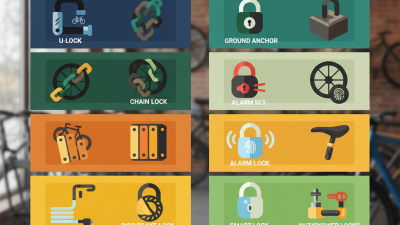
Common designs include standard hardened-chain locks, square-link chains, and chains with integrated locking heads. Some use a fabric sleeve, which protects paint and reduces scratching against the frame. Keyed versions are usually faster in poor weather. Combination versions avoid lost keys, but forgotten codes create another weakness. Wearable chains can wrap around a waist or shoulder, while heavy chains suit fixed parking locations. Independent testing guidance, including Sold Secure’s published assessment framework, examines resistance against tools and forced entry. Certification helps, but users should still check the exact rating.

In practice, I would avoid judging security by thickness alone. A bulky chain can still fail when wrapped around a thin signpost. Position the lock low, keep the chain tight, and secure the frame and wheel. Shorter exposure leaves fewer tool angles. Small details matter.

Materials, Security Ratings, and Key Features

What Is a Chain Cycle Lock and How Does It Work?

A Cycle Chain Lock uses linked metal sections to secure a bicycle to a fixed object. The chain wraps around the frame, wheel, and rack with flexible positioning. Its protective sleeve helps prevent scratches and reduces contact with rain. Hardened steel is the most important material. Ordinary steel may resist casual tampering, but hardened links provide stronger resistance against cutting tools. A thick chain usually offers better protection, although it also adds weight. That trade-off matters during daily commuting.

Security ratings can help compare locks, but rating systems are not universal. Check who tested the lock and what conditions were used. A higher rating generally indicates stronger materials, a better locking body, or improved resistance testing. It does not make a lock impossible to defeat. That detail is easy to overlook. Look for a guarded keyway, a protected cylinder, and smooth locking action. A sealed cover can limit dust and moisture around the keyhole. The chain should also have tight links, secure end connections, and enough length for the intended rack. Measure first. A lock that is too short can force awkward placement and leave part of the bicycle exposed. In practice, carrying weight can become annoying, especially on longer rides. I would also inspect the sleeve regularly, because torn fabric may hide corrosion underneath. A small amount of movement is normal, but grinding sounds deserve attention.

How to Use a Chain Cycle Lock Correctly

A chain cycle lock uses linked metal sections and a locking mechanism to secure a bicycle. Its flexibility helps it wrap around thick posts, rails, or fixed racks. A China Cycle Lock Chain can be practical when its length suits the parking location. However, flexibility does not guarantee safety. The lock’s material, connection points, and cylinder require careful inspection.

Place the bicycle frame inside the chain loop. Include the front wheel when possible. Wrap the chain around a solid, immovable object, not a loose signpost. Keep the lock away from the ground. A thief may use the pavement to support cutting pressure. Leave little slack, but do not force the chain against the frame. Scratches happen easily.

Check that the locking mechanism closes fully. Pull it gently before walking away. The key should turn smoothly. If it feels rough, clean the mechanism according to the manufacturer’s instructions. Never rely on a decorative cable as the main restraint. I once left too much chain hanging beside a rack, and it made the bicycle easier to handle. That mistake changed my routine. I now position the lock above the lower frame and photograph the locked setup when leaving the bicycle for hours. Choose a visible, well-lit location, and follow local parking rules. A secure habit still needs regular review.

Advantages and Limitations of Chain Cycle Locks

A chain cycle lock uses hardened steel links joined by rivets or welds. The chain wraps around a frame and a fixed object, while the locking head secures both ends. Its flexible shape works well around thick posts, railings, and awkward parking racks. An OEM Cycle Lock Chain can also be specified with different link diameters, sleeve materials, and locking systems for particular use cases.

Its main advantage is reach. A 90-centimeter chain can secure two wheels and the frame more easily than a short rigid lock. A heavy fabric sleeve also reduces scratches and dampens metal noise. A 2023 North American bicycle-theft report estimated that roughly two million bicycles are stolen annually, showing why securing the frame matters. However, chain locks are not automatically strong. Security depends on steel quality, link thickness, lock-cylinder resistance, and how tightly the chain is positioned. Large gaps may let tools enter. Thick chains also add weight, often exceeding two kilograms. That becomes noticeable during a long ride. I sometimes overestimate convenience here.

Tips: Keep the chain close to the frame and rack, leaving little space for leverage. Place the lock above ground, not on the pavement. Check independent security testing before purchase. A smaller, certified chain may protect better than a bulky, poorly tested model. Even strong hardware cannot compensate for an exposed location or careless locking.

Nurbo Portable Lightweight Chain Lock with Keys: Compact Security for Everyday Travel and Commuting

Everyday commuting often involves leaving a motorcycle, scooter, skateboard, or other equipment briefly unattended. The FBI’s 2023 Crime Data Explorer identifies larceny-theft as the largest category of reported property crime in the United States, reinforcing the value of a simple, visible deterrent. The Nurbo SL7721 portable lightweight chain lock is designed for practical daily security, combining a hardened steel chain with a PVC-covered polyester exterior that helps resist cutting, sawing, and prying while reducing scratches and exposure to rust.

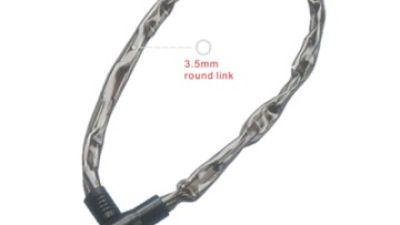
With a 3.5 mm chain diameter and available 600 mm or 900 mm lengths, the lock offers flexible reach without adding unnecessary bulk to a backpack, tool bag, or commuting kit. Its brass cylinder and two included brass keys provide straightforward, key-operated access, while the ABS case supports a sturdy yet convenient design. The compact format makes it suitable for motorcycles, scooters, skateboards, grills, ladders, doors, lawnmowers, and other movable equipment used at home, work, or during travel.

FAQS

What is a chain cycle lock?

It is a bicycle security device made from connected metal links. The chain wraps around frames, wheels, posts, and fixed racks. It is flexible, but not perfect.

What parts does a chain cycle lock contain?

Most designs include a metal chain, protective sleeve, locking head, and key or combination system. The sleeve helps reduce scratches and moisture contact. Small details matter.

How should I attach the lock to my bicycle?

Pass the chain through the frame and one wheel when possible. Then connect it to a solid, immovable anchor. Keep it close.

Where should I park a bicycle with this lock?

Choose a visible, well-lit location with a sturdy rack or fixed structure. Avoid loose signposts and unstable objects. Follow local parking rules.

How much slack should remain in the chain?

Leave little slack without pressing the chain tightly against the frame. A loose chain can swing and create extra working space. I once left too much hanging.

Why should the lock stay above the ground?

Keeping it off the pavement can reduce support for cutting pressure. Position it around the upper or middle frame area. Check it twice.

How can I check whether the locking mechanism works?

Close the lock fully before leaving. Pull it gently and confirm the key turns smoothly. Rough movement may indicate dust or maintenance needs.

How can I protect the bicycle frame from scratches?

Use the protective sleeve and avoid dragging the chain across painted surfaces. Do not force tight contact with the frame. Scratches happen easily.

What maintenance does a chain cycle lock need?

Inspect the links, sleeve, locking head, and keyway regularly. Clean the mechanism only as instructed for that lock. Corrosion can reduce performance.

Is a chain cycle lock completely secure?

No security device is completely foolproof. Material quality, anchor choice, positioning, and daily habits all affect protection. I still review my routine.

Conclusion

A Chain Cycle Lock is a security device designed to protect bicycles, motorcycles, and other movable equipment by connecting a flexible chain to a locking mechanism. Its basic structure usually includes hardened metal links, a protective outer covering, and a key-operated or combination-based lock body. When the chain is passed through a wheel, frame, or fixed object, the mechanism closes and holds both ends together, creating a physical barrier against unauthorized movement. Different designs may use keyed cylinders, coded dials, or integrated locking heads, allowing users to choose a style that suits their needs.

The effectiveness of a Chain Cycle Lock depends on its materials, link thickness, construction quality, and security rating. Strong steel, anti-corrosion coatings, and protective sleeves can improve durability and resistance to weather. To use it correctly, users should secure the frame and wheel to a solid, immovable object, keep the chain tight, and position the lock away from the ground. These locks are flexible, portable, and easy to use, but heavier models may be less convenient to carry, and no lock can provide unlimited protection. Regular inspection and careful placement help maximize security.
Amelia

Amelia

Amelia is a dedicated marketing professional at Wenzhou Naibao Lock Industry Co., Ltd., where she leverages her extensive knowledge of the company's product line to drive engagement and awareness. With a deep understanding of the locksmithing industry, she produces high-quality, informative blog......
Previous What Are the Best Bicycle Locks and Chains from China?