Picking out the right Bike Lock is a pretty important decision for us cyclists. I mean, with thefts on the rise lately, making sure your ride is secure really matters. If you ask John Smith, a well-known expert in bike security, he’d probably tell you, “A good bike lock is basically your best buddy when it comes to protecting your bike.” Can’t really argue with that, right? His words definitely hit home for pretty much any bike owner out there.
Now, here’s the thing—there are so many options out there that honestly, it can get a bit overwhelming trying to figure out what’s best. Not all locks are created equal, and some will give you way better protection than others. You’ve got U-locks, chain locks, folding locks—each one comes with its own set of perks and downsides. While a heavy-duty lock might scare off a thief, it also might be a pain to carry around all day.
You’ve also gotta think about where you usually park your bike. Is it a lively, busy area, or just a quiet street? The environment definitely plays a part in what kind of lock you should pick. Also, don’t forget to check how sturdy the lock is—buying a cheap, flimsy one is kind of like pretending you’re protected when you’re really not. At the end of the day, investing in a decent quality lock could save you a lot of heartbreak — losing your bike just sucks.
So yeah, take your time, think about where you’ll be locking your bike, and go for a lock that really gives you peace of mind. Trust me, it’s worth it.
Understanding Different Types of Bike Locks and Their Uses
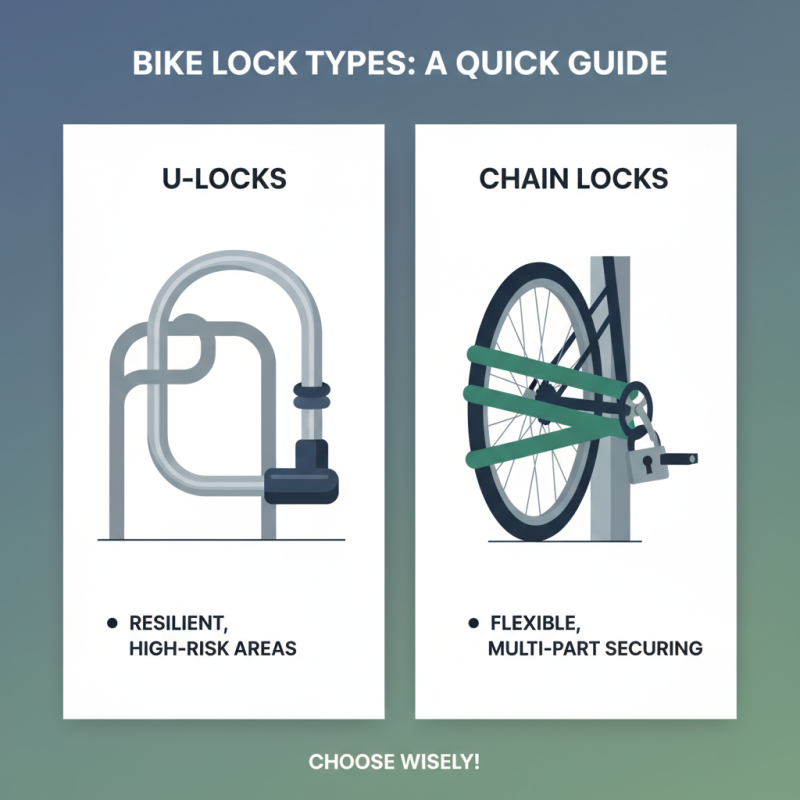
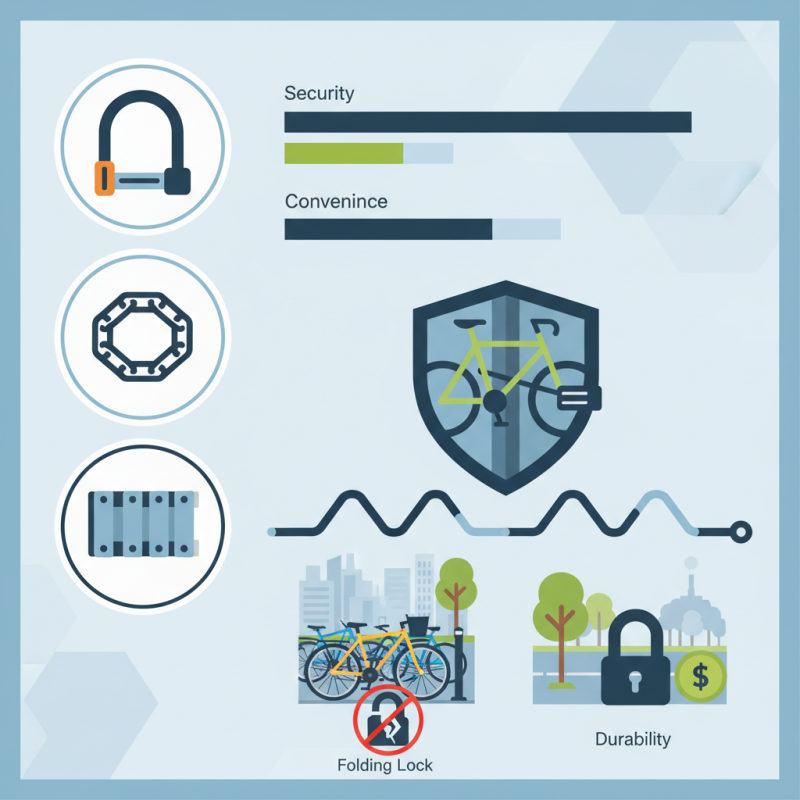
When choosing a bike lock, it's crucial to understand the different types available. Each design offers unique features that cater to varying needs. U-locks, for instance, are resilient and often recommended for high-risk areas. They create a strong deterrent against theft. Chains provide flexibility and can secure multiple parts of the bike. However, their weight can be a drawback for everyday use.
Cable locks are lightweight and easy to carry. They work well in low-theft areas. Yet, they might not offer the same level of security as U-locks or chains. Folding locks combine portability with solid security. They can be compact, making them convenient for rides.
Choosing a lock can feel overwhelming. It's essential to consider your typical parking locations. Reflect on your bike’s value and your daily routine. A strong lock may seem bulky but offers peace of mind. Balancing security and convenience is key. Every type has its pros and cons. Each option requires thought, especially regarding your lifestyle.
Evaluating Security Levels: What to Look for in a Bike Lock
When evaluating bike locks, security levels should be your primary concern. Look for locks made from hardened steel. This material is tougher and resists cutting and prying. Consider the lock's design as well. U-locks and chain locks often provide better security than cable locks. They are harder to maneuver when trying to break them.
Pay attention to the lock's ratings. Many locks come with security ratings that indicate their strength. A higher rating usually means better protection against theft. Also, think about the thickness of the shackle. Thicker shackles are usually more secure, but they may also increase weight and bulk. If you prefer portability, find a balance between size and strength.
It's important to evaluate where you'll use your bike lock. Different environments pose different risks. Urban areas may require more robust options than quieter neighborhoods. Be cautious about where you park your bike. Sometimes, even the best locks can be compromised. Regularly reassess your lock choice and make adjustments as necessary. A small change now can provide peace of mind later.
Assessing Convenience: Size, Weight, and Ease of Use
When choosing a bike lock, convenience plays a crucial role. It involves assessing the lock's size, weight, and ease of use. A lock that is too heavy can become a burden. Experts recommend locks under 3 pounds for regular cyclists. Carrying a hefty lock may discourage daily use, undermining its security benefits.
The size matters greatly. A small lock might fit easily in a bag or pocket, enhancing usability. However, a compact option may not secure your bike adequately. According to a study, 36% of bikers who prioritize convenience often choose lighter, less secure locks. This statistic highlights an ongoing dilemma between portability and security.
Ease of use is another factor. A lock that is difficult to operate can lead to frustration. Many cyclists report struggling with complicated mechanisms. In these cases, a simple U-lock might be more effective. Ultimately, reflective choices are essential here. Evaluate your biking habits and environments. Choose a lock that balances convenience with safety, and acknowledge that perfection is often unattainable.
How to Choose a Bike Lock: Essential Tips for Security and Convenience - Assessing Convenience: Size, Weight, and Ease of Use
| Lock Type | Weight (lbs) | Size (inches) | Ease of Use (1-5) | Security Rating (1-10) |
| U-Lock | 2.5 | 10 x 6 | 4 | 9 |
| Chain Lock | 4 | 12 (length) | 3 | 8 |
| Cable Lock | 1 | 30 (length) | 5 | 5 |
| Folding Lock | 3 | 32 (fully extended) | 4 | 7 |
| Smart Lock | 2 | 3 x 4 | 5 | 6 |
Key Features: Combination vs. Key Locks
When selecting a bike lock, understanding the differences between combination locks and key locks is essential. Combination locks use a numerical code for unlocking. They eliminate the need for a physical key, which can be lost or forgotten. However, remembering the code can sometimes be a hassle, especially under stress. Furthermore, some combination locks can be vulnerable to guessing. A few cyclists have experienced frustration after forgetting their codes, leading to delays.
On the other hand, key locks offer simplicity and reliability. A key lock typically provides a secure option with a sturdy build. However, keys can be misplaced or broken. People often find themselves searching for spare keys, which can be inconvenient. In urban areas, the risk of losing a key in a busy environment increases. Each lock type has its advantages and drawbacks. Assessing personal habits and day-to-day circumstances can help in making the right choice.
Comparative Analysis of Bike Lock Security Features
Durability and Weather Resistance: Choosing Materials Wisely
When choosing a bike lock, the materials play a crucial role. Durability should be a top priority. Steel locks provide strength against cutting. Choose locks that feature hardened steel for added security. However, not all steel is the same. Thinner locks may not be as effective. Look for thicker options to better withstand attacks.
Weather resistance is another vital consideration. Rain, snow, and extreme temperatures can degrade locks over time. Locks with a protective coating fare better in harsh conditions. Also, consider the lock's moving parts. Exposed components may rust and fail. Sealed mechanisms often perform well during bad weather.
It’s easy to overlook these details. Some locks appear sturdy but are made from cheaper materials. They might pass an eye test but fail in real-life situations. Remember to reflect on your bike's value. Investing in a reliable lock can save headaches later. Security and convenience go hand in hand when you choose wisely.
Budget Considerations: Finding a Balance Between Cost and Security
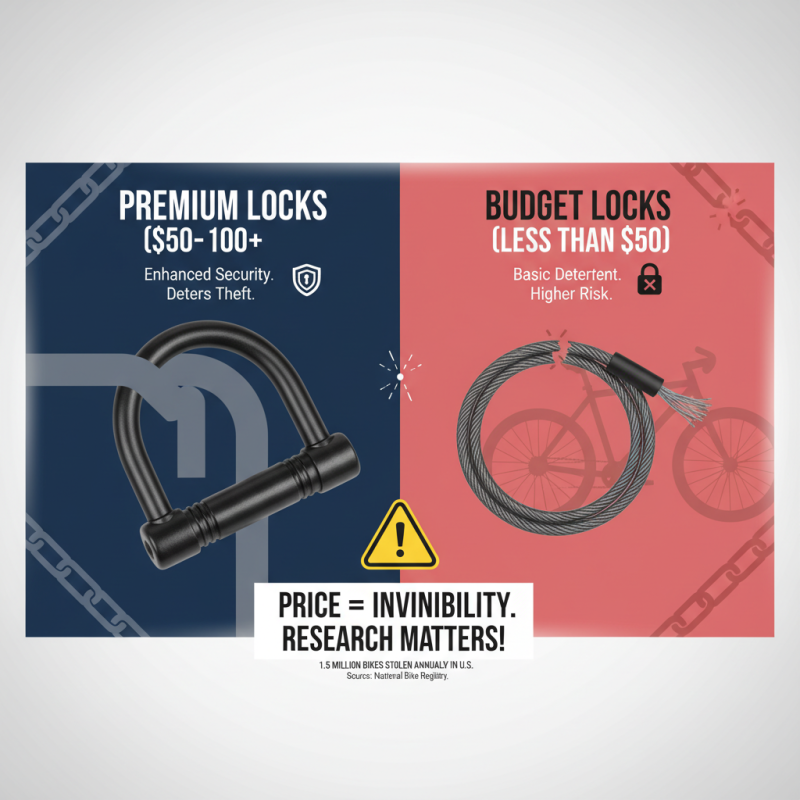
When it comes to choosing a bike lock, budget often dictates security level. Many bike owners face a tough choice. A study by the National Bike Registry found that 1.5 million bikes are stolen in the U.S. each year. Investing in a robust lock can prevent theft. However, premium locks can be pricey, ranging from $50 to over $100. It’s easy to think that all expensive locks offer ultimate protection. This isn’t always true.
Some affordable options can provide decent security. The key is to balance cost with safety. For instance, U-locks are often praised for their strength. In a survey, 70% of cyclists reported success using them, even at lower price points. On the other hand, chain locks often lag in ratings but can be more flexible. Lower-cost locks should be assessed critically. Look for those with a good rating from the Sold Secure testing standard. Remember, a lock’s effectiveness can vary, and some budget models might not hold up against determined thieves.
Many cyclists often underestimate security needs. They assume that a lock is just a lock. But the reality is complex. Thieves know how to bypass cheaper locks. According to industry data, locks rated ‘Gold’ have a much lower risk of getting cut or broken. It’s essential to think long-term. A slightly higher initial expense could save heartache later.
Tips for Proper Locking Techniques to Maximize Security
When it comes to securing your bike, proper locking techniques can make a significant difference. Many cyclists underestimate the importance of using the right method. A common mistake is to lock only the frame. This leaves the wheels vulnerable. Always secure both the frame and at least one wheel to an immovable object.
Another crucial element is the placement of the lock. Position it off the ground, ideally higher than a foot. This makes it difficult for thieves to use leverage tools. Pay attention to your surrounding while locking. If there’s a busy area nearby, it might deter thieves. Still, a quick distraction can happen, and your bike could become a target.
Consider the type of lock you use. U-locks are often sturdier than chains, but a loose chain can be easier to manipulate. Take a few moments to learn about vulnerabilities in your lock. For example, old locks can wear down, making them easier to break. Reflect on your locking habits regularly. Are you becoming complacent? A simple change in technique could save you from losing your bike.
Enhancing Motorcycle Security: A Review of the Nurbo Helmet Lock with Theft Deterrent Cable and Combo Padlock
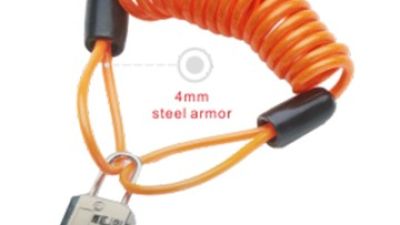
Motorcycle security is a growing concern for riders, and one effective solution is the use of specialized locking mechanisms. The Nurbo Helmet Lock, equipped with a theft deterrent cable and a Combo Padlock, offers a practical approach to securing helmets and other valuables. The padlock features a three-digit resettable code, providing up to 1,000 different combinations to enhance security. This flexibility ensures that your belongings are better protected against theft, giving riders peace of mind during their journeys.
Crafted from durable zinc alloy and covered with a weather-resistant PVC coating, the locking cable boasts impressive longevity and strength. Measuring 4 mm in diameter and extending to 1200 mm in length, it is versatile enough to secure not only helmets but also a wider range of items. Whether you're tying down your motorcycle gear or securing other personal belongings, this anti-theft cable can handle various applications. Furthermore, its bright color serves both aesthetic and functional purposes, making it easy to spot and deterring potential thieves at a glance.
FAQS
: The article aims to inform readers about key topics. It discusses various aspects and their significance.
The article targets individuals seeking information. They could be researchers, students, or general readers.
You can implement the insights in real-life situations. Consider practical applications in your daily routine.
Yes, some areas need deeper exploration. Certain topics might lack thorough analysis or sufficient examples.
The article references various studies and reports. Some sources may not be fully reliable or recent.
Regularly reviewing the content can be beneficial. This helps reinforce knowledge and facilitates better understanding.
Yes, sharing is encouraged. However, ensure the information is accurate and well understood.
You can seek clarification through discussions or forums. Engaging with others can provide different perspectives.
Some viewpoints may reflect a specific perspective. Critical thinking is required to evaluate the presented information.
The topics may connect to ongoing trends or issues. Staying updated helps in making informed decisions.
Conclusion
Choosing the right bike lock is essential for securing your bicycle effectively. There are various types of bike locks available, each tailored for specific needs. Understanding the differences among U-locks, chain locks, and folding locks can help you determine which best suits your lifestyle. Evaluating security levels involves looking for features such as material strength and locking mechanisms to ensure your bike remains safe from theft.
Convenience is another critical factor—considering the size, weight, and ease of use can significantly enhance your locking experience. Additionally, you should weigh the advantages of combination locks against traditional key locks. Durability and weather resistance are also important; selecting locks made from robust materials can extend their lifespan. Finally, maintaining a budget while ensuring sufficient security is crucial. Implementing proper locking techniques will further maximize your bike lock's effectiveness, providing peace of mind every time you park your bike.