Picking out the right Bike Cycle Lock is a pretty big deal for any cyclist. Seriously, as Mike Johnson from SecureGear puts it, "A good lock is basically your bike's best buddy when it comes to safety." Sadly, a lot of cyclists tend to underestimate just how important a solid lock really is. Sometimes, folks just grab whatever lock they find first, and honestly, that can come back to bite you later.
There are quite a few types of Bike Locks out there—U-locks, chains, folding locks—and they all have their own pros and cons. It’s kinda like choosing the right tool for the job. Some locks might look super tough but can actually be snipped open pretty easily if a thief has the right tools. So, it’s worth taking a little time to understand what each kind offers.
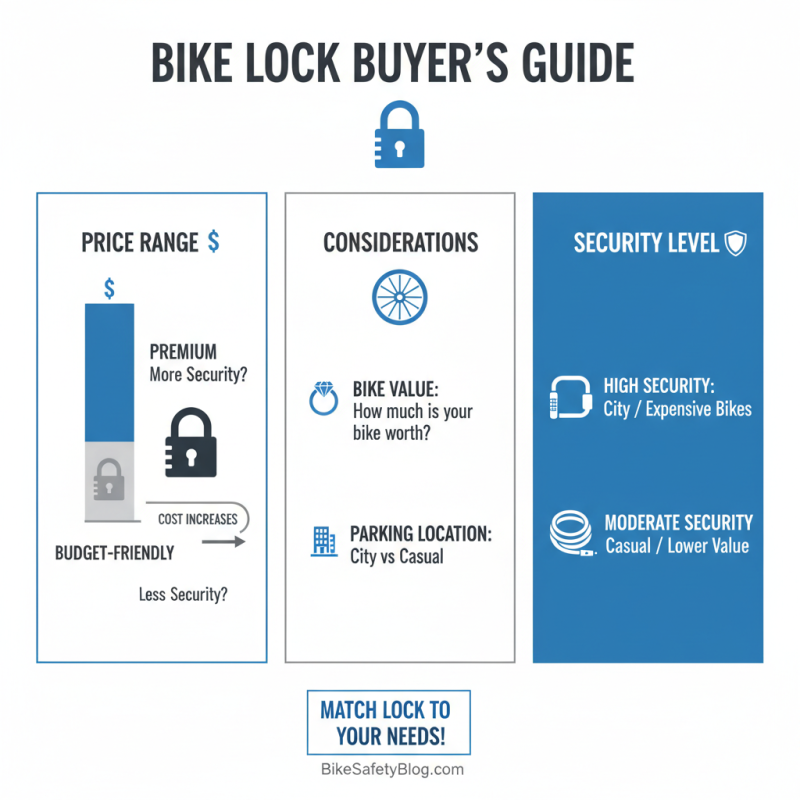
Doing a bit of homework before buying can really pay off. A good lock not only keeps your bike safe but can save you some cash and hassle down the line. And hey, the most expensive lock isn't always the best one—what matters most is finding something that fits *your* riding style and needs. So, think about what you really need from a lock before you make your pick. Trust me, it’s worth it in the long run.
Understanding the Different Types of Bike Locks Available
When selecting a Cycle Bike Lock, knowing the types available is crucial. U-locks are popular for their strength and ease of use. These locks typically feature a rigid shape that can fit around bike frames and secure to fixed objects. Their solid construction offers reliable protection, but they can be heavy.
Chain locks are versatile. They provide flexibility in securing different parts of the bike. However, their portability can be an issue. They may be more challenging to carry than U-locks. Remember, the thicker the chain, the heavier it will be. Some might find it cumbersome to lug around.
Cable locksare lightweight and easy to use. They can secure accessories too. Yet, they provide less security than U-locks or chain locks. Thinner cables can be easily cut. This makes them suitable for low-risk areas but may not deter determined thieves. Reflecting on these options can help users prioritize their needs when choosing a Cycle Bike Lock.
Evaluating Security Levels of Bike Locks: What to Consider
When evaluating the security levels of bike locks, there are several critical factors to consider. The material of the lock significantly impacts its robustness. U-locks generally provide higher security due to their hardened steel construction. Some reports indicate that 70% of bike thefts occur with low-quality locks. On the other hand, chains and cables can be more vulnerable. A compromised lock is a lost bike.
Another essential aspect is the lock's rating. Many organizations provide grading systems for bike locks, often rated from 1 to 10. Locks rated at 8 or higher are deemed secure for urban areas. User experiences reveal that even high-rated locks can fail if used incorrectly. Choosing a lock without understanding its vulnerabilities might lead to regret later on. For instance, a China Bike Cycle Lock might excel in specific terrains but fail in others.
It's also vital to reassess your locking method. Many cyclists secure their bike frames but neglect the wheels or accessories. This negligence can be a crucial oversight. Studies show that 40% of stolen bikes were improperly locked. Investing time to learn effective locking techniques can be as important as the lock itself.
Assessing Convenience and Portability in Bike Lock Options
When choosing a bike lock, convenience and portability are key factors. Many cyclists often look for locks that are lightweight and easy to carry. According to a report by the National Bicycle Dealers Association, about 30% of cyclists prefer locks that fit in their bags or can be attached to their bike frames. However, some may compromise security for portability. It’s important to strike a balance.
Portable bike locks, such as cable and U-locks, provide different levels of security while varying in weight. A lightweight lock may seem appealing, but a flimsy design can be a risk. A 2019 study indicated that 70% of bike thefts occurred because the lock was easily broken. It’s essential to consider how often and where you ride. High-crime areas may require more robust options, even if they are heavier.
Choosing an OEM Bike Cycle Lock can be a solution for many. They often offer a good blend of security and convenience. However, not all options are created equal. Always be cautious about sacrificing security for ease of travel. Weighing your needs against potential risks will guide you in making the right choice. Staying informed about the latest security trends can also help improve your decision-making.
Bike Lock Convenience and Portability Assessment
Exploring Anti-Theft Features in Bike Locks
When selecting a bike lock, consider its anti-theft features carefully. A sturdy lock offers security, but not all locks are the same. Understanding the types of locks available is crucial. U-locks provide high security but can be cumbersome. Chain locks offer flexibility but can weigh more. Take note of the lock’s material. Toughened steel is a good option.
Look for additional features that enhance security. Some locks come with alarms that sound when tampered with. This startling noise can deter thieves. Others may have smart technology that tracks your bike’s location. Such features can seem appealing, yet they may also require app installations and batteries. Simplicity has its perks.
Think about the lock’s portability, too. A lock that is too heavy or large may deter you from bringing it when you ride. Remember that even the best lock cannot guarantee protection. It is wise to use multiple types of locks. Layering security is key. Reflect on your riding habits and environment. A lock suitable for urban areas may not be ideal for quieter neighborhoods.
Reading User Reviews and Manufacturer Reputation for Bike Locks
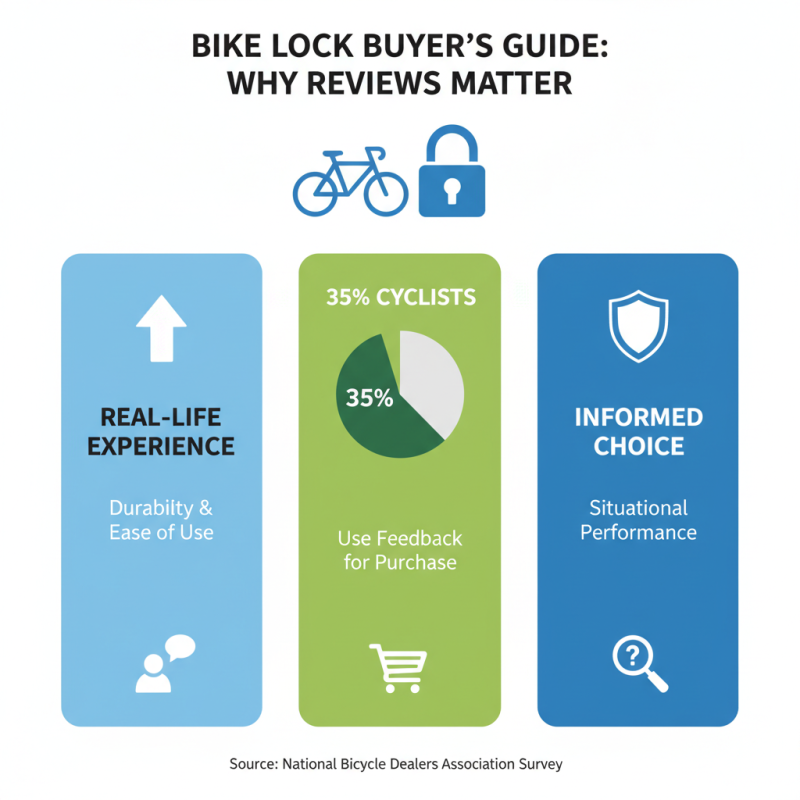
When looking for the Best Bike Lock, user reviews play a vital role. Reviews provide real-life experiences. According to a survey by the National Bicycle Dealers Association, around 35% of cyclists use user feedback to guide their purchases. This highlights the importance of understanding how different locks perform in various situations. Cyclists often leave comments about durability and ease of use.
Manufacturer reputation also informs the decision-making process. A report from the Consumer Product Safety Commission states that brands with a strong track record offer greater reliability. Consumers are often cautious. Many acknowledge that not all locks are created equal. Some might look appealing but offer little security. A manufacturer’s history can indicate potential flaws. For example, if a company has faced many product recalls, it may not inspire trust.
Choosing the right bike lock requires thorough research. Relying solely on sales pitches or flashy advertisements can lead to regret. Look for specific details in reviews. Cyclists frequently mention the weight, locking mechanism, and portability. Real feedback helps paint a clearer picture. It's essential to reflect on how often and where you park your bike. A lock that suits city riding may not be ideal for home use.
Tips for Proper Locking Techniques to Maximize Security
When securing your bike, proper locking techniques are crucial. A good lock can deter thieves, but a poor locking method can render even the best lock ineffective. According to a study by the National Bicycle Dealers Association, nearly 65% of stolen bikes were locked incorrectly. This statistic highlights the importance of not just choosing a Custom Bike Cycle Lock, but also how to use it effectively.
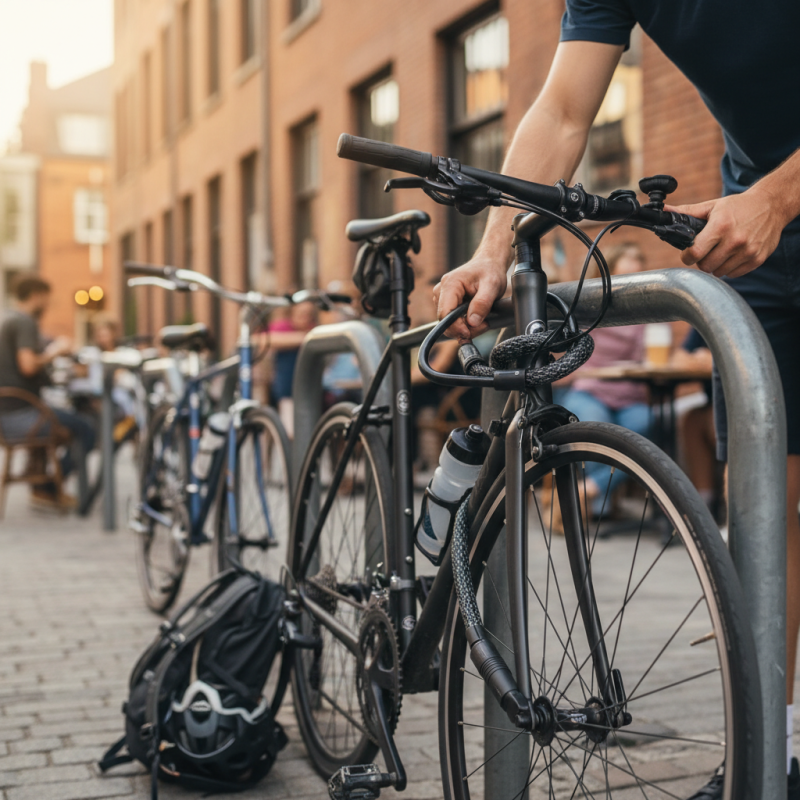
To maximize security, always lock your bike in a high-traffic area. Thieves are less likely to attempt a theft where they could be seen. Use two locks if possible. A U-lock can secure the frame, while a chain lock can secure the wheels. This combination adds extra effort for thieves. Ensure the lock goes through a sturdy part of the bike frame and a fixed object. Remember, locks are not invincible; they only slow down potential thieves.
Take time to reflect on your locking strategy. Are you always diligent about locking your bike? In a rush, it’s easy to overlook securing both wheels. A simple mistake can lead to loss. Practice makes perfect—find a secure routine that works for you, ensuring your bike remains safe while you enjoy riding.
Conclusion
When selecting the best Bike Cycle Lock for your needs, it's essential to understand the various types available, such as U-locks, chain locks, and folding locks, each offering different levels of security. Evaluating the security level is crucial; consider factors like material strength, lock mechanism, and brand reliability. Convenience and portability also play a significant role, as a lock that is easy to carry can encourage proper use.
Additionally, explore anti-theft features that enhance protection, such as alarms or GPS tracking. Budget considerations are vital, so it's wise to compare price points while keeping an eye on quality. Lastly, reading user reviews and considering the manufacturer's reputation can provide insight into the reliability of a Bike Cycle Lock. Employing proper locking techniques will also maximize your bike's security, ensuring it remains safe and protected.