Picking the right Bike Lock and helmet is super important when it comes to staying safe on your ride. I mean, as John Smith from SafeCycle Solutions puts it, “A good lock and a solid helmet can really make all the difference.” Think of them as your first line of defense out there.
Honestly, a lot of us tend to overlook just how essential these accessories really are. A tough lock can scare off the bike thieves, and a comfy helmet keeps your noggin protected if something happens. But here’s the thing — not all locks and helmets are the same. They come in different styles, levels of safety, and price ranges, which can feel kinda overwhelming sometimes.
Finding that sweet spot between what's affordable and what’s actually safe is pretty crucial. Some helmets might look super trendy but might not have the safety features you really need, and some locks may be cheap but easy to break into. Spending a bit of time thinking about your choices can really save you from potential accidents or thefts down the line. At the end of the day, putting some thought into your gear makes your whole cycling experience better. Remember, your safety starts with choosing the right lock and helmet — don’t skip that step!
Understanding the Importance of Bike Locks and Helmets for Safety
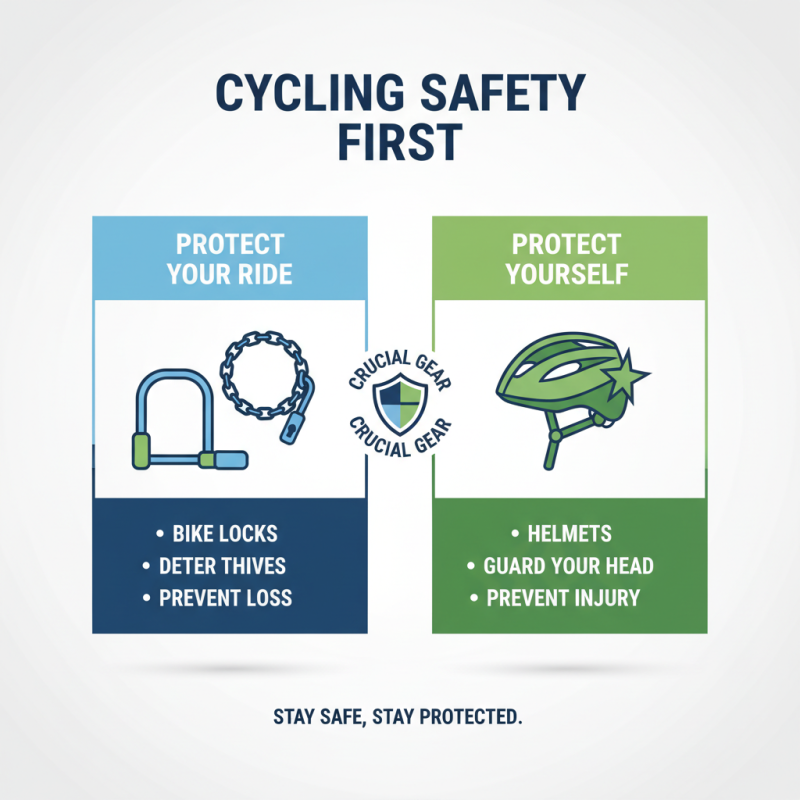
When cycling, safety should always come first. Choosing the right bike lock and helmet is crucial for protecting yourself and your ride. Bike locks deter thieves. A strong lock can save you the pain of losing your bicycle. Helmets, on the other hand, are essential for protecting your head in case of accidents. Without proper headgear, one fall can lead to serious injuries.
Tips for choosing a bike lock: Opt for a lock with high security ratings. U-locks generally offer more protection than cable locks. Remember, the longer you leave your bike, the more secure your lock needs to be. Consider where you park, too. Is it a high-traffic area?
For helmets, ensure a snug fit. A loose helmet is almost useless in a crash. Look for one with a good ventilation system. It’s easy to forget that comfort affects usage. Many cyclists discard helmets because they feel bulky. Reflecting on this can help you choose wisely. Aim for safety that feels good.
Types of Bike Locks: A Comprehensive Overview
When choosing a bike lock, understanding the types available is crucial. There are several common varieties: U-locks, chain locks, and folding locks. Each type offers different levels of security. According to a report from the National Bike Registry, nearly 1.5 million bikes are stolen annually in the U.S. alone. This statistic underscores the need for robust locking options.
U-locks often provide a solid balance of security and portability. They typically resist cutting tools and are less likely to bend. On the other hand, chain locks can offer greater flexibility in securing your bike. However, heavier chains may deter regular use. A study from the Urban Institute found that using two different types of locks significantly decreases theft rates. This indicates that a dual-locking strategy may be worth considering.
Folding locks are gaining popularity due to their lightweight and compact design. They offer decent security while being easy to carry. Yet, they might not deter determined thieves. Many users reflect on how they often underestimate the value of a good lock. Investing extra upfront can save heartache later. Properly securing your bike is essential in urban areas, where theft risk is high.
Factors to Consider When Choosing a Bike Lock
When choosing a bike lock, security should be your top priority. Look for locks made from tough materials that resist cutting and tampering. Cable locks are convenient, but they offer less security compared to U-locks or chain locks. If you live in a high-theft area, opt for a more robust option.
**Tips:** Always check the lock’s security rating. A high rating means better protection. Consider the weight of the lock too. Heavier locks are often stronger but can be cumbersome to carry. Finding a balance is crucial.
Another factor to think about is the length of the lock. Ensure it’s long enough to secure both your frame and wheels. A lock that’s too short may lead to hasty, insecure locking methods. And remember, some locks have unique key designs that offer extra security.
**Tips:** Test the lock before purchasing. Make sure it easily fits around your bicycle and the objects to which you will secure it. Think about the weather as well. Some materials rust over time, so ensure it suits your local climate. A little research can save you from a poor purchase later on.
Selecting the Right Helmet: Key Features to Look For
When selecting a bike helmet, safety is paramount. Focus on key features that enhance protection. Look for a helmet that meets safety standards like CPSC or ASTM. These certifications ensure it can withstand impacts. Research shows that a properly fitted helmet reduces the risk of head injuries by 85%. The fit should be snug, not too tight.
Ventilation is another aspect to consider. Good airflow helps keep you cool while riding. Many quality helmets feature multiple vents. They can significantly increase comfort during long rides. Some models have adjustable straps for a custom fit. This is crucial; a loose helmet may not stay in place during a fall.
Lastly, consider visibility. Bright colors or reflective materials can make a difference. Data indicates that high-visibility helmets increase recognition by drivers. Safety shouldn’t be compromised for style. The right choice involves making informed decisions based on research, usage, and personal comfort. Don't overlook the importance of wearing a helmet every ride. Your safety is worth it.
How to Choose the Right Bike Lock and Helmet for Safety? - Selecting the Right Helmet: Key Features to Look For
| Feature | Description | Importance |
| Fit | Helmet should fit snugly on the head without being too tight. | A proper fit ensures better protection during impact. |
| Weight | Lighter helmets are more comfortable for long rides. | Enhances rider comfort and reduces neck strain. |
| Certification | Look for helmets certified by safety standards (e.g., CPSC, Snell). | Certification ensures bump and fall protection. |
| Ventilation | Adequate vents for airflow to keep the head cool. | Prevents overheating on warm days. |
| Adjustability | Features like dial systems for a customizable fit. | Allows for better fit and comfort adjustment. |
| Style | Choose a style that matches your riding type (e.g., road, mountain). | Aesthetics can motivate wear and increase safety compliance. |
How to Ensure Proper Fit and Comfort for Your Helmet
Choosing the right helmet is crucial for safety. A well-fitted helmet can reduce the risk of head injuries significantly. Research shows that a properly fitted helmet can decrease the risk of traumatic brain injury by 85% in cycling accidents. This emphasizes the need for attention to detail in fitting.
To ensure a proper fit, start by measuring your head. Use a soft measuring tape, just above the eyebrows. Most helmets have adjustable systems for a snug fit. The front of the helmet should sit level, just above your eyebrows, while the back rests comfortably above your neck. Understand that a loose helmet is just as unsafe as no helmet.
Comfort is equally important. If the pads feel uncomfortable or cause pressure points, it may not fit right. Helmets come in various sizes, from small to extra-large, to cater to different head shapes. It's essential to try on several options. Note that about 70% of cyclists choose helmets that do not fit correctly. This statistic is alarming. Always wear a helmet that suits you well. Your safety depends on it.
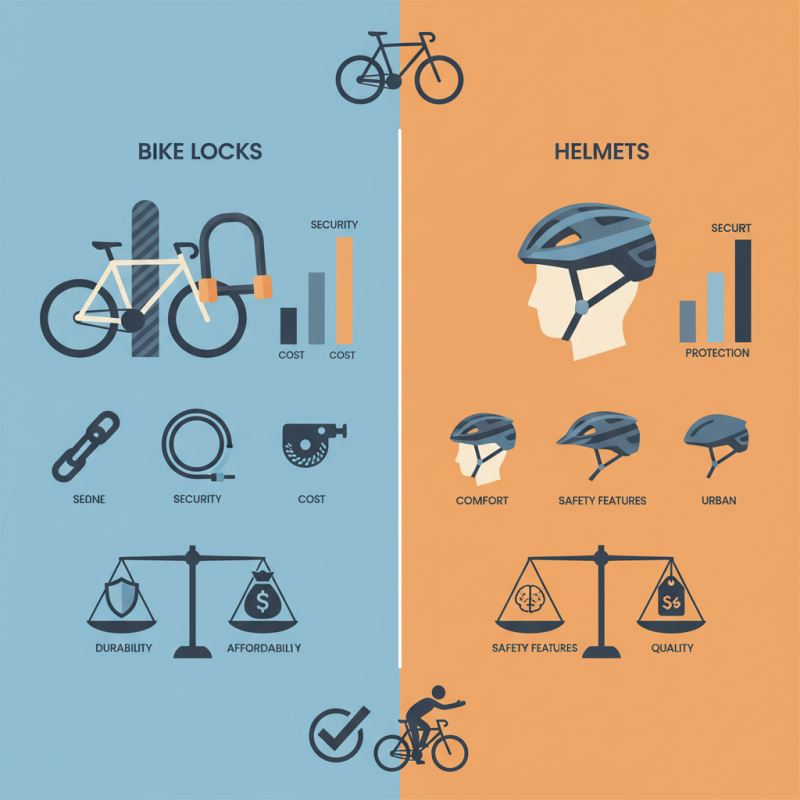
Bike Lock and Helmet Safety Comparison
Combining Security: Best Practices for Locking Your Bike
Locking your bike properly is crucial for its safety. In urban areas, bike theft rates can be alarmingly high; some cities report theft rates of 9% to 15% for bicycles. Choosing the right locking method can significantly enhance security. Utilize a U-lock combined with a sturdy chain lock. This dual approach protects both the frame and the wheels. A 2019 survey revealed that 70% of stolen bikes were improperly locked, making correct lock usage essential.
It's also vital to lock your bike in visible and well-lit areas. The National Bike Registry indicates that bikes locked in plain sight are less likely to be targeted by thieves. Additionally, taking time to secure detachable parts, like your front wheel or seat, can make a difference. Over 30% of reported thefts involve these neglected components. Always keep your bike registration details updated. This proactive step can aid in recovery if theft occurs. The uncomfortable truth is that many riders can improve their locking practices. Regularly evaluating your locking habits can lead to better security.
Maintaining Your Locks and Helmets for Longevity and Safety
Maintaining your bike lock and helmet is crucial for ensuring safety and longevity. Regular cleaning is essential. Use a damp cloth to wipe off dirt from your helmet and lock. For the lock mechanism, apply a lubricant to keep it functioning smoothly. If you notice rust, it’s important to address it quickly. Rust can weaken the lock and pose security risks.
Check for any signs of wear. Cracks, dents or discoloration on your helmet can indicate it’s time for a replacement. Helmets should be free of any structural damage to protect your head effectively. A helmet with a broken strap might as well be useless. After a hard crash, consider replacing it entirely despite its visible condition.
Storage plays a significant role in maintenance. Avoid leaving your helmet in direct sunlight. Extreme temperatures can degrade the materials. Locks should be stored in dry areas to prevent rust and damage. Riding your bike often is great, but exposure to the elements may diminish the integrity of both helmet and lock. Rethink your storage solutions if they don't keep your gear safe and protected.
Enhance Your Bike Security with the Nurbo High-Security Steel Cable Lock: A Comprehensive Review
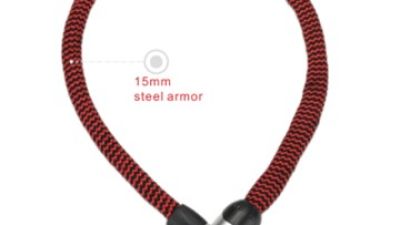
When it comes to protecting your bicycle, the Nurbo High-Security Steel Cable Lock stands out as an exceptional choice. Crafted with a robust brass lock cylinder and an ABS case, this lock ensures that your bike remains secure in various environments. The cable, measuring 15mm in diameter and 800mm in length, offers both flexibility and strength, making it a versatile option for securing your bike in different situations.
One of the key features of this lock is its braided steel design, which has been engineered to withstand attempts at cutting. This higher security attribute means you can park your bike with peace of mind, knowing it's protected from common theft methods. Additionally, the lock is weather and rust resistant, guaranteeing long-lasting durability whether exposed to rain or shine. The stylish design adds a touch of flair while being multipurpose, suitable for locking up not just bicycles but also other valuables. With two included brass keys, using the Nurbo lock is straightforward, making it an ideal accessory for cyclists who value convenience and security.
FAQS
: Store food in airtight containers. Use the right temperature for each type of food.
Look for changes in color and texture. Smell for any off odors.
Yes, if they were stored properly. Check for signs of spoilage first.
Use separate cutting boards. Always wash your hands after handling it.
Wash your hands immediately. This helps prevent contamination.
No, it should be refrigerated within two hours. Otherwise, bacteria may grow.
Most leftovers last 3 to 4 days. Use your senses to check for freshness.
It removes dirt and pesticides. Some contaminants can be harmful.
You risk foodborne illnesses. It can lead to serious health issues.
Plan meals ahead. Use ingredients before they expire. Create new recipes from leftovers.
Conclusion
Choosing the right bike lock and helmet is crucial for ensuring safety while cycling. Bike locks come in various types, including U-locks, chain locks, and folding locks, and understanding their strengths and weaknesses is essential. Factors such as security level, portability, and ease of use should guide your choice. When selecting a helmet, focus on key features like safety certifications, ventilation, and weight. Proper fit and comfort are paramount, as a well-fitting helmet can significantly enhance safety.
To maximize security, combine best practices for locking your bike, such as securing both the frame and wheels, and parking in well-lit areas. Regular maintenance of your bike lock and helmet is also important; keeping them clean and inspecting for wear can prolong their lifespan and effectiveness. By prioritizing quality in your bike lock and helmet, you can ensure greater safety during your rides.