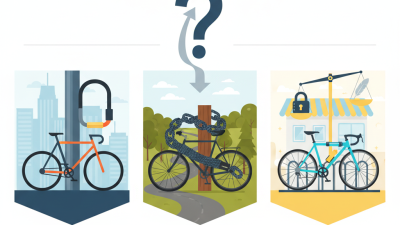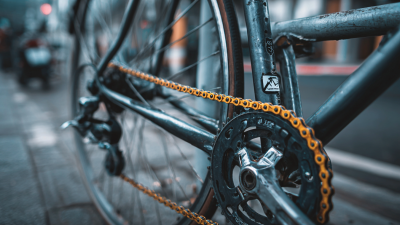
Picking out a bike chain and lock is really about understanding where and how you plan to park your bike. I mean, parking outside a busy shop for ten minutes is totally different from leaving your bike overnight in a shared courtyard. Take a good look at the frame, wheels, and what you can lock it to—because a lock's only as good as its reach. Make sure to measure the route before you buy—trust me, a chain that's too short can be a real pain to work with.
Then there's the thickness and build of the chain. A thicker, hardened-steel chain might give you better protection, but it’s also gonna be heavier to carry around. Check the product specs—materials, size, warranty, and whether it’s been rated secure by independent tests. Just keep in mind, different rating systems exist, so it’s best to compare within the same one rather than worrying about one single number. Little things like a protective sleeve to avoid scratches or a covered keyway to keep dirt and rain out—they all add up.
And honestly, pick a lock that you’ll actually carry around and use. Sounds obvious, right? But it’s surprisingly common to want ultimate security on paper and end up leaving that bulky chain at home. Think about your daily route, how long your bike will stay parked, the weather, and if you’ve got space to store it. Always secure the frame, and if you can, lock a wheel to a sturdy, fixed object too. Keep the chain off the ground and don’t leave slack—it just makes your bike a more tempting target.
At the end of the day, no lock can make your bike completely theft-proof. But being thoughtful about your choice definitely helps cut down on the risks. Sometimes, you just gotta play around with options and tweak things until it feels right.
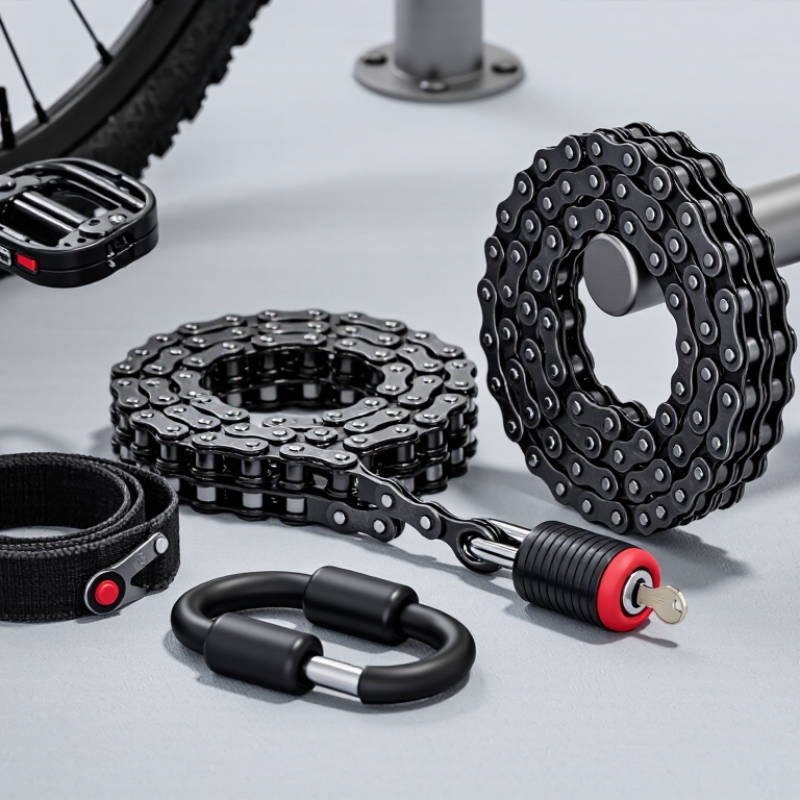
A biCycle Chain Lock protects the frame by linking it to a fixed rack, while a separate cable or second lock can secure a wheel. The chain’shardened links resist cutting, but thick links add weight and can still be vulnerable to leverage. Keep the lock off the ground; a chain resting on pavement gives an attacker a steadier surface. Small details matter.
Security ratings offer a useful comparison, not a guarantee. Sold Secure’s published bicycle-lock scheme has four grades: Bronze, Silver, Gold, and Diamond. The ART Foundation uses a five-star rating scale for tested locks. These independent assessments compare resistance to defined attacks, so check the exact model and rating before buying. In practice, fit the lock tightly around the frame and a fixed object, leaving little room for tools. A compact, well-positioned lock is often easier to use consistently. Still, no lock makes theft impossible. I would also inspect the chain links and lock mechanism for wear; that part is easy to overlook.
Before choosing a replacement bike chain, match its width to the drivetrain’s speed and the manufacturer’s specifications. A bike with more rear sprockets usually needs a narrower chain, but speed count alone is not a complete compatibility check. Different drivetrains can require specific chain types or dimensions. Check the owner’s manual or component documentation, and compare the listed chain width before buying. Small differences matter. A chain that is too wide may rub neighboring sprockets; one that is too narrow may not seat or shift reliably. If the information is unclear, ask a qualified bike mechanic rather than guessing.
Also check the chain’s length and connection method against the bike’s setup. When fitting it, shift through the gears slowly and listen for rubbing or skipped shifts. A quiet test ride on a safe, flat route can reveal problems before a longer ride. It is tempting to treat a chain as a simple, universal part; I would not. Compatibility details are easy to overlook, and even careful checks can miss a worn sprocket. For a chain lock, consider the bike’s parking conditions and the lock’s stated security level, while keeping the drivetrain chain separate from the lock choice.
For 11–13-speed drivetrains, treat 0.5% chain elongation as a practical replacement limit, not a target to exceed. Professional workshop guidance, including Bicycle Network’s chain-maintenance advice, stresses checking wear with a suitable gauge; a ruler can help, but tiny measuring errors matter. On a clean chain, seat the gauge correctly and check several links. Replace the chain when the reading reaches 0.5%. Don’t wait for skipped gears.
Small details count. A worn chain can accelerate cassette wear, turning a modest replacement into a pricier repair. That is especially easy to miss on a quiet ride: the chain may look fine while shifting under load feels rough. Keep a simple record of the date and gauge reading. Recheck after wet, gritty rides, when dirt and poor lubrication can speed wear. A 0.5% reading is a useful workshop benchmark, though component makers’ instructions should take priority. For China Bike Chain And Lock buyers, match the replacement chain to the drivetrain’s speed and check that the lock fits the frame and a fixed rack. I’ve learned that “it still shifts” is not a measurement. That assumption can cost you.
Sold Secure’s four bicycle ratings—Bronze, Silver, Gold and Diamond—offer a practical way to compare a lock’s resistance to attack. They rise in security level, but they are not promises that a bicycle cannot be stolen. A rating reflects testing of a specific lock model, not every chain that looks similar. Check the exact model and rating before buying.
Match the rating to where you park. A bicycle left briefly beside a busy shop faces different risks from one stored overnight on a quiet street. Higher-rated locks may be heavier, so consider whether you will carry one daily. A thick chain can wrap around a wide post, but its weight may become annoying on a long ride. Small details matter: secure the frame and, when possible, a wheel to a fixed object. I have found that an awkward lock is often the one riders leave at home.
Tips: Look for the rating label on the lock or its packaging, and verify it with the certification scheme’s current directory. Keep the keyhole clear of grit, and position the lock off the ground where practical. No rating replaces thoughtful parking. A bright, crowded spot helps, though it is not a guarantee.
A bike chain’s material affects both resistance and daily handling. Hardened steel links generally resist cutting better than softer steel, while a corrosion-resistant finish helps after wet rides. Check for chipped coating, rust around joints, and stiff links. Small flaws matter.
Link design matters too. Thick, close-fitting links leave less room for tools, but they add weight and may not fit every frame or lock body. Square or hexagonal profiles can make gripping harder than round links, though shape alone proves little. Try the chain through your frame and wheel before buying. Awkward fit gets old quickly.
Look for manufacturer-tested strength, with clear details about the test method and what was measured. Cutting, pulling, and twisting tests reveal different weaknesses; one impressive number cannot describe every attack. Compare results only when test conditions are similar. An OEM Bike Chain And Lock listing should identify materials, link dimensions, and test data, not rely on vague claims like “heavy duty.” A lab result is useful, not a promise. I’d still inspect the lock’s closure and carry weight in person; specifications can miss everyday annoyances.
Assess chain material, link design, and manufacturer-tested strength.
The chart compares nominal inner widths used by common bicycle drivetrain chains: 1/8-inch chains are typical for many single-speed bikes, while 3/32-inch chains are common on derailleur drivetrains. These are drivetrain dimensions, not security-lock link measurements. For a lock, check its link design and material, and compare published manufacturer test results for cutting or tensile resistance.
A Bike Lock must reach the frame, a wheel, and a fixed object without forcing awkward angles. Check the distance from your usual locking point to a solid rack, then allow room for the frame and wheel. Measure before you buy. A chain that is too short may leave the front wheel exposed; excess length can drag on the ground or make handling clumsy.
For many bikes, threading the chain through the rear wheel and frame gives a useful balance. If the chain reaches only one part, reposition the bike rather than stretching it tightly. Leave little spare space inside the loop, which makes it harder to move the bike around. A Custom Bike Chain And Lock should suit your frame size and regular parking spots, not just look sturdy. One detail is easy to overlook: racks vary in shape and thickness.
Tips: Try the chain around your bike and a typical rack before relying on it. Keep it clear of the pavement to reduce wear and grime. Small gaps matter. If the fit feels awkward at home, it probably will be worse in the rain.
A good bike lock should fit the ride, not just the frame. A heavy chain can deter cutting, but it may feel burdensome on a daily commute. A lighter chain is easier to carry, though it can offer less resistance to attack. Decide where the bike will be parked, for how long, and what secure fixtures are available. For short stops in busy places, portability may matter most. Overnight street parking calls for stronger protection and a realistic plan to carry it.
The Office for National Statistics estimated around 77,000 bicycle theft incidents in England and Wales in the year ending March 2023. That figure measures reported experience, not how well any particular lock performs. Still, it underlines why convenience should not be the only criterion. Look for independent security testing, then check the chain’s length, links, and weight. A chain that cannot reach a fixed rack is no help. A lock left at home is worse.
Searches for “Wholesale Bike Chain And Lock” may present chain and lock as one purchase, but check their ratings and construction separately. Weigh the set you will actually carry, including the lock body. A small scale helps. The trade-off is imperfect: more protection often means more bulk, and the ideal balance can change between errands and longer rides. Don’t buy by thickness alone. A stout chain with a weak locking mechanism can still be a poor choice.
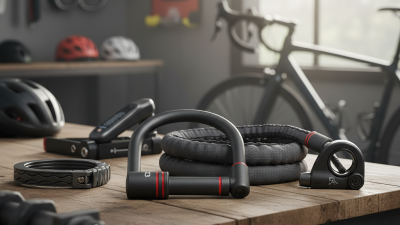
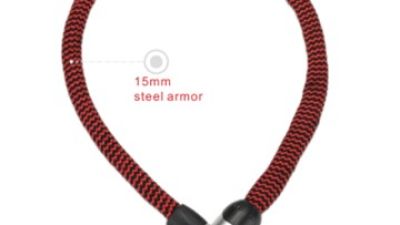
Choosing a reliable bike lock starts with balancing strength, convenience, and everyday practicality. A braided steel cable offers flexibility, making it easier to loop around a bicycle frame and a suitable fixed object. This lock features a 15 mm-thick cable with an 800 mm length, providing useful reach for common parking situations. Its sturdy steel construction is designed to resist cutting, while the brass lock cylinder and protective ABS case add durable, practical components for regular use.
Consider how a lock fits your routine, too. This model comes with two brass keys, so you can keep a spare in a separate place. Its weather- and rust-resistant design helps it stand up to changing outdoor conditions, and the cable is easy to carry when you are on the move. A distinctive, stylish appearance makes it a practical choice for everyday cycling, and its versatile design can also be used to secure other suitable belongings. When selecting any cable lock, check that its length works for your parking needs and lock your bicycle through the frame as well as a wheel whenever possible.
Hardened steel links generally resist cutting better than softer steel. A corrosion-resistant finish helps after wet rides. Check for rust near the joints, chipped coating, or stiff links. Small flaws matter.
Thick, close-fitting links leave less room for tools, but they add weight. Square or hexagonal profiles can be harder to grip than round links. Shape alone proves little.
Look for manufacturer test details, including the method and what was measured. Cutting, pulling, and twisting tests reveal different weaknesses. Compare results only under similar conditions. One impressive number tells only part of the story.
Thread it through the frame and wheel before buying. Check that it also fits the lock body without forcing awkward angles. Frame designs vary. A poor fit gets old quickly.
Measure from your usual locking point to a solid rack, allowing room for the frame and wheel. Measure first. Too short can leave a wheel exposed; excess chain may drag or feel clumsy.
Threading it through the rear wheel and frame often gives a useful balance. Secure it to a fixed object, and leave little spare space inside the loop. If it will not reach, reposition the bike rather than pulling the chain tight.
Keep it clear of pavement to reduce grime and wear. After wet rides, check the joints for rust and make sure links move freely. I might still overlook a small stiff link, so a quick inspection helps.
Test it around your bike and a typical rack at home. Racks vary in shape and thickness, which can change the fit. If the setup feels awkward in dry weather, rain probably will not improve it.
Choosing the right Bike Chain And Lock starts with understanding their different roles: the chain transfers pedaling power, while the lock helps deter theft. Match a replacement chain’s width to your drivetrain speed and follow the bicycle or component maker’s specifications. For 11- to 13-speed chains, a wear gauge can help you check for elongation; a 0.5% wear limit is a useful replacement reference. Replacing a worn chain promptly can help maintain smooth shifting and reduce wear on other drivetrain parts.
When comparing locks, consider independent security ratings, the chain’s material and link design, and strength information based on manufacturer testing. Choose a length that can secure the frame and at least one wheel to a fixed object without leaving excessive slack. Finally, balance security with weight and portability: a heavier, more substantial lock may suit longer stops, while a lighter option can be easier to carry for brief errands. The best choice is one you can use consistently and that fits your bicycle and riding routine.