Choosing the right Lock Cable Lock can honestly feel pretty overwhelming sometimes. With so many options out there, it’s really important to make an informed choice. Industry expert John Simmons from SecureLock Co. puts it simply: "The best lock is the one that suits your specific needs." That little piece of advice really hits home—it’s all about what works best for you.
A good lock isn’t just about keeping things secure; it should also be easy to use and fit smoothly into your daily routine. Whether you’re cycling, camping, or just locking up outdoor gear, different activities might require different types of locks. So, look out for various lengths and locking mechanisms—what works for one person might not work for another. Honestly, it’s easy to get overwhelmed by all the choices. Reflecting on your past experiences can help you figure out what really matters to you.
Many people assume all Lock Cable Locks are created equal, but that’s not the case. Some are more vulnerable to cutting or picking than others. It’s super important to understand where each type might be weaker before you buy. Take some time to research and compare brands—your safety and peace of mind depend on it. Sometimes, a little extra effort now can save you a lot of headaches later.
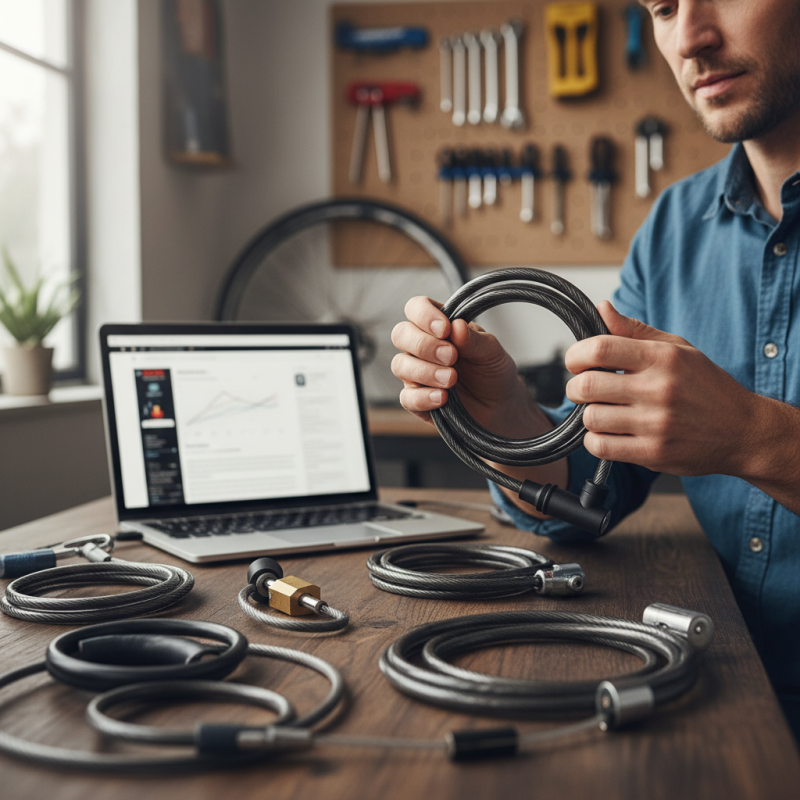
Understanding Different Types of Cable Locks: A Comprehensive Overview
When exploring cable locks, it's essential to understand the variety available. Not all cable locks provide the same level of security. Some are designed for light use, while others are built for heavy-duty protection. This distinction matters, especially if you are securing valuable items.
You’ll find key-locking versions, which offer ease of use. Combination locks can eliminate the need for keys, adding convenience. However, combination locks may sometimes be forgotten under pressure. Many users overlook the importance of cable thickness. Thicker cables often resist cutting better than thinner alternatives.
Consider the material as well. Steel cables offer durability, while lighter materials might be easier to transport. Reflections on user experiences are always valuable. Many users report frustration with weaker locks, emphasizing the importance of testing before investing. It’s clear that the right choice depends on personal security needs and circumstances.
How to Choose the Best Lock Cable Lock for Your Needs?
| Type of Cable Lock | Length (ft) | Diameter (mm) | Weight (lbs) | Security Rating | Best Use |
| Standard Cable Lock | 6 | 10 | 1.5 | 2/5 | Bicycles |
| Heavy-Duty Cable Lock | 10 | 12 | 3.0 | 4/5 | Motorcycles |
| Retractable Cable Lock | 8 | 8 | 2.2 | 3/5 | Outdoor Equipment |
| Combination Lock Cable | 5 | 10 | 1.8 | 2.5/5 | Bicycles |
| Flexible Cable Lock | 7 | 9 | 2.0 | 3.5/5 | General Use |
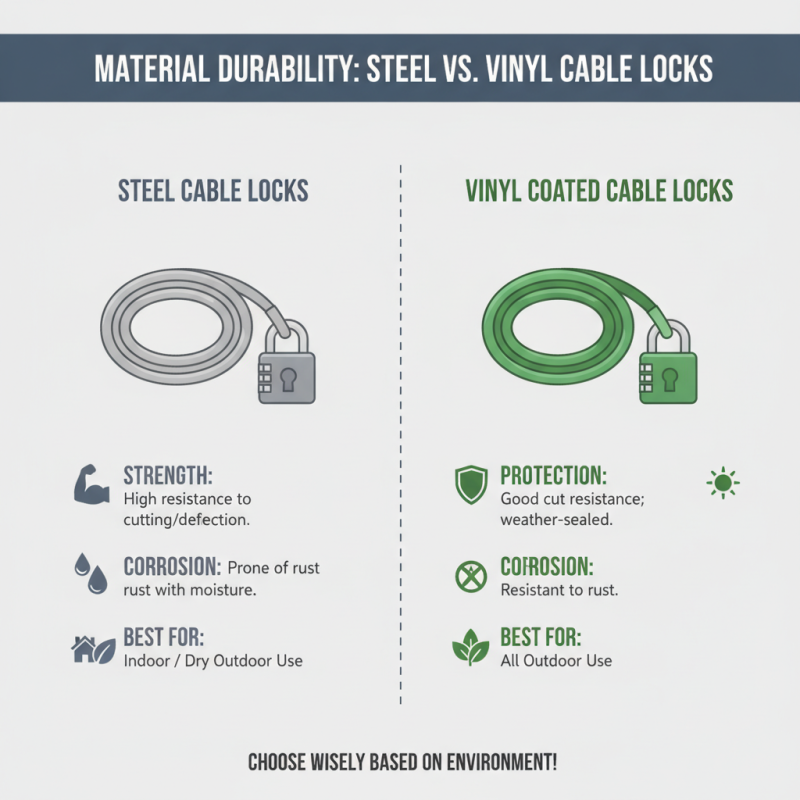
Evaluating Material Durability: Steel vs. Vinyl Coated Cable Locks
When selecting a lock cable lock, material durability is a vital consideration. Steel and vinyl coated cable locks offer different levels of protection and usability. Steel cable locks are known for their strength. They resist cutting and deflection effectively. However, exposure to moisture may lead to rust over time, reducing their lifespan. Users should keep this in mind when choosing a lock for outdoor use.
Conversely, vinyl coated cable locks combine flexibility and protection. The coating helps prevent scratches on bicycles or equipment. Yet, vinyl alone may not deter determined thieves as effectively as steel. In environments like urban areas, this could pose a risk. The "China Lock Cable Lock" exemplifies varying strengths available in both materials. Inspecting the coating can reveal potential wear, affecting durability. Ultimately, choosing the right material involves weighing these factors carefully.
Determining the Right Cable Thickness for Your Security Needs
When selecting a cable lock, the thickness of the cable plays a vital role. Thicker cables often provide enhanced security. However, this added protection can come with increased weight and decreased flexibility. A balance is essential to suit your specific needs. For casual use, a cable thickness around 10mm may suffice, but for high-risk areas, consider going thicker.
The material of the cable also matters. Steel cables with protective coatings resist cutting and weathering. However, be mindful of their ability to fit in your storage. Some may also not be as flexible, making them impractical in certain situations. It’s not always clear which cable will offer the best balance between portability and strength. Testing different cables can help clarify what works for your scenario.
Your environment will influence your choice. If you'll use the cable outdoors, weather resistance is key. A thicker cable lock may resist tampering but can add weight. Reflect on where you’ll store it. An OEM Lock Cable Lock can offer various options, but remember, no lock is completely foolproof. Prioritize finding one that you can handle and secure your items comfortably.
Best Cable Lock Thickness for Security Needs
Assessing Locking Mechanisms: Keyed vs. Combination Cable Locks
When choosing a cable lock, you have two main types: keyed and combination. Keyed locks rely on a physical key for access. They often provide strong security and are more resistant to picking. According to industry reports, keyed locks tend to be used in higher-security settings, such as commercial facilities. However, losing the key can be a significant drawback.
Combination cable locks use a numerical code to unlock. They offer convenience, as there’s no key to carry or lose. Users can reset the code, adding flexibility. Research from security experts shows that while combination locks are generally less secure than keyed locks, they can deter casual thieves. However, more advanced thieves may exploit their vulnerabilities.
Tip: Always choose a lock that matches your usage needs. If you frequently access your items, a combination lock may be more suitable. If security is paramount, consider a keyed lock.
Tip: Practice good security habits. Regularly change the combination on your lock. If you suspect that someone could have seen it, reset it immediately. This simple act could prevent theft.
In evaluating both types, user experience varies. Some favor the reliability of keys, while others appreciate the ease of combinations. The choice hinges on personal priority—whether it’s convenience or security that matters most.
Reviewing Length Options: How Cable Length Impacts Security
When selecting a cable lock, length is crucial to security. A longer cable can provide more flexibility in securing your belongings. However, it can also increase the potential for vulnerabilities. Studies show that cable locks shorter than 4 feet are often inadequate for securing larger items like bikes or recreation gear. If a thief notices a short cable, they might view it as an easy target.
A report by the National Association of Security Professionals highlights that locks shorter than 6 feet are typically bypassed within 30 seconds. However, cables longer than 10 feet can create challenges of their own. They may be cumbersome to handle and adjust, leading users to leave them unsecured. It's essential to balance length with practicality for maximum security.
Taking the time to evaluate your specific security needs is critical. Consider the items you intend to secure and the typical locations where theft occurs. A well-chosen cable length tailored to your environment can significantly enhance safety, while a poorly selected length may invite risk. Always weigh the pros and cons before making a decision.
Evaluating Portability Features: Lightweight Designs for On-the-Go Use
When selecting a lock cable lock, portability is an essential factor. Lightweight designs can enhance convenience, especially for active individuals. Many users rely on cable locks during travel or outdoor activities. According to industry reports, 70% of consumers emphasize ease of transport when choosing security devices. A lock that doesn’t add significant weight to a backpack or bike is a top priority.
Custom Lock Cable Lock offer flexible solutions for those on the go. These locks typically weigh less than two pounds and are compact enough to fit easily in bags. However, potential users should consider the trade-off between weight and security. A lock that is too light might compromise protective features. A balance between portability and security is vital.
Moreover, user feedback often raises concerns about durability. Lightweight materials can lead to doubts about longevity and resistance to theft attempts. It's crucial to assess the material quality of a lock and its overall construction. A lock that can withstand various environmental conditions is preferred. Evaluating user experiences and expert reviews can provide insights into reliability. The best choice should be a combination of portability and performance.
Analyzing User Reviews and Security Ratings for Reliability
When selecting a lock cable lock, user reviews play a crucial role. Many consumers have shared their experiences with different models. Feedback often highlights durability, ease of use, and the lock’s ability to withstand tampering. Some users reported their frustration with locks that failed within a few months. This emphasizes the importance of researching reliability.
Security ratings can further guide your choice. High ratings usually correlate with better performance. Analyzing these metrics can clarify which products stand out. What about the reviews that mention poor ratings? These can reveal potential weaknesses in specific models.
A common theme among user reviews is the need for balance. Some locks prioritize weight over strength, impacting portability. Others may offer robust security but at a higher cost. Finding the right Wholesale Lock Cable Lock requires careful consideration of both user reports and security features. This process may not be straightforward, but it's necessary for ensuring safety.
FAQS
: There are keyed locks and combination locks. Each offers different security levels.
Keyed locks require a physical key. They are often more secure against picking.
Combination locks don't need a key. They are convenient to use and can be reset.
Yes, thicker cables resist cutting better. Users often overlook cable thickness when selecting locks.
Think about the level of security you need. Different situations require different types of locks.
Yes, users sometimes forget the code under pressure. This can be frustrating.
Regular changes enhance security. If you think someone saw the code, reset it immediately.
They provide strong security. However, losing the key can pose a significant issue.
Steel offers durability. Lighter materials may be easier to carry but might lack strength.
Some prefer the reliability of keys. Others value the flexibility of combination locks.
Conclusion
When selecting the best Lock Cable Lock for your needs, it is essential to understand the various types available. This includes evaluating the durability of materials, comparing steel and vinyl-coated options, and determining the appropriate cable thickness to enhance security. Different locking mechanisms—keyed versus combination—play a critical role in usability, as does the length of the cable, which can impact the overall effectiveness of securing your belongings.
Additionally, portability features are vital for those who require lightweight and easily transportable designs. Analyzing user reviews and security ratings can further aid in making an informed decision, ensuring that the chosen Lock Cable Lock meets personal safety requirements and is reliable in various situations.