Leave Your Message
0%

Honestly, when you're picking a Lock Disc, start with what it actually has to do—not just whatever the label says. A disc lock on a gate, for example, has to deal with weather, vibration, and a whole different set of attacks than one securing a storage unit. So before you start comparing models, measure the hasp opening and shackle clearance. And don't forget to check the body diameter, material, corrosion resistance, and whether the key-retention design makes sense for your situation. You know when a lock barely fits? It'll bind against the hasp and make things annoying. And if the body's too compact, you end up with exposed space around the shackle—which isn't great.

If you're looking to compare locks, you really want to check some recognized testing references. UL 437 lays out performance requirements for certain high-security locks, while ANSI/BHMA A156.5 covers door-lock cylinders. But here's the catch—these standards don't rank every disc lock, and they definitely don't guarantee that one model will fit every installation. There's a useful idea from security author Graham Pulford's research on high-security mechanical locks: look at the whole locking system, not just one component. I'm paraphrasing him there, not quoting directly. When you're making your decision, don't forget to factor in the door itself, the hasp, how it's mounted, and what it'll have to put up with on a daily basis.

Think about where you'll actually use it. A damp outdoor gate? That needs way more corrosion protection than a dry indoor cabinet. If people are using it all the time, you'll probably care about the key working smoothly and being easy to operate with gloves. Definitely check the manufacturer’s test claims and warranty, but compare those against the real installation too. Here’s something easy to overlook: a strong Lock Disc won’t make up for a weak hasp. And honestly, no selection is perfect on paper—when you can, go see how it fits in person.
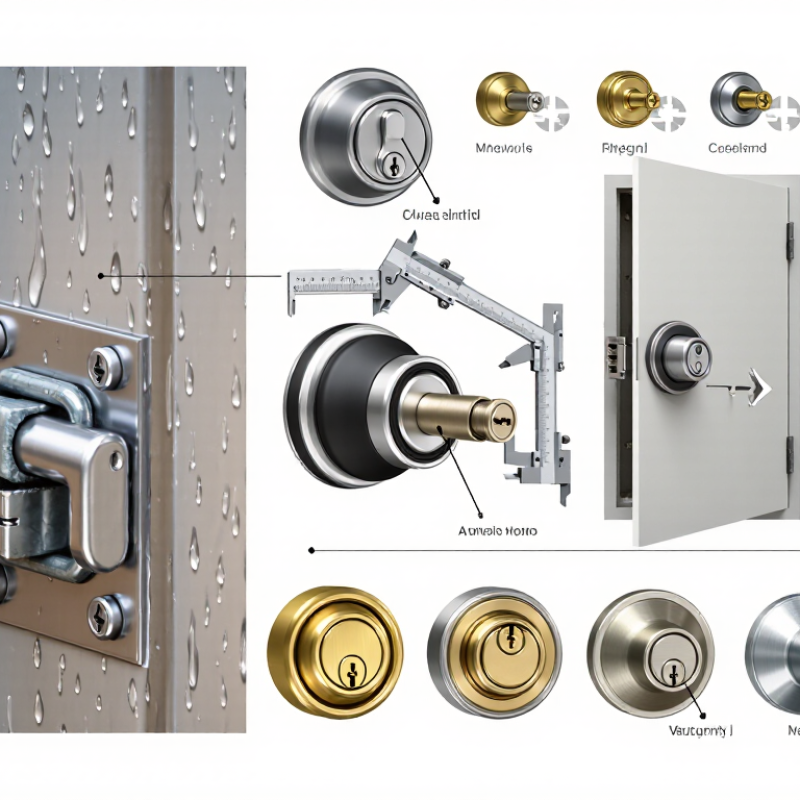
How to Choose the Right Lock Disc for Your Needs

What a Lock Disc Is and How It Provides Security

A lock disc is a small mechanical lock that attaches through a motorcycle’s brake disc. Its hardened pin sits in a hole in the disc, preventing the wheel from rotating freely. A Motorcycle Disc Lock is portable and quick to fit, but it mainly discourages movement rather than making a motorcycle impossible to steal. The alarm versions add sound when disturbed; the basic versions rely on their physical barrier. Fit matters: the pin must pass through a suitable disc hole without pressing against the caliper or other parts. Check the motorcycle’s manual and the lock’s measurements before buying.

Tips: Test the fit while parked, then remove the lock before riding. A bright reminder cable from the lock to the handlebar can help prevent a costly mistake. Keep the key somewhere easy to reach. Small habits matter.

Look for sturdy construction, a reliable locking mechanism, and weather-resistant materials if the motorcycle stays outdoors. Keep the keyway clean, and check the lock periodically for corrosion or wear. A disc lock works best as one layer of security, paired with sensible parking and another suitable lock. It has limits, and those limits are easy to underestimate when a device feels solid in your hand. Choose based on your disc design and daily routine, not appearance alone.

How to Choose the Right Lock Disc for Your Needs - What a Lock Disc Is and How It Provides Security
Factor What to Know What to Look For Best Fit
How the mechanism works In a disc-detainer lock, the key turns a stack of discs. Correctly positioned discs align openings so a sidebar can move and the lock can open. Check that the product description identifies a disc-detainer mechanism; the term “disc lock” can also refer to other lock designs. Buyers who specifically want a rotating-disc locking mechanism.
Where it will be used A lock’s usefulness depends on its fit and the value of what it protects, as well as the expected level of attack and exposure. Measure the hasp or locking point, check the available clearance, and consider whether the lock will be used indoors or outdoors. A correctly sized lock suited to the door, gate, storage unit, or other locking point.
Shackle protection A shrouded or close-fitting body can reduce access to the shackle, but it does not make a lock impossible to cut or defeat. Compare shackle diameter, exposed length, and how much of the shackle remains accessible when installed. Locations where reducing tool access to the shackle is a priority and the locking point accepts the lock’s shape.
Materials and construction Resistance to cutting, corrosion, and physical damage varies with the materials, design, and manufacturing quality of the whole lock. Look for clear material details and, where relevant, independently verified security or environmental ratings. Do not assume appearance alone indicates strength. Buyers matching construction to the likely threats and conditions at the installation site.
Outdoor exposure Rain, dust, and temperature changes can affect lock operation over time. No material or design is maintenance-free in every environment. Check for weather-protection features and follow the maker’s instructions for cleaning and lock-safe lubrication. Locks used outdoors or in damp, dusty, or coastal conditions.
Key management Keying options and replacement-key procedures vary by lock. A disc mechanism by itself does not guarantee restricted key duplication. Confirm how many keys are supplied, whether spare keys are available, and what identification or authorization is required to obtain replacements. Homes, workplaces, or shared facilities where lost keys and access changes need to be managed.
Security claims Disc-detainer construction describes a mechanism, not a guaranteed security level. Performance depends on the complete lock and its installation. Prefer specific, verifiable test standards or ratings over absolute claims such as “unpickable” or “unbreakable.” Anyone comparing locks for a particular risk level or insurance requirement.
Installation and upkeep A strong lock can be limited by a weak hasp, door, or mounting point. Dirt or unsuitable lubricant can also interfere with reliable operation. Ensure the hasp and fasteners are appropriate for the application, test the lock before relying on it, and follow the manufacturer’s maintenance guidance. All applications, especially those exposed to frequent use or harsh conditions.

Identify the Object or Equipment You Need to Secure

Before choosing a disc lock, identify exactly what needs securing: a storage unit door, a gate, a tool chest, or portable equipment. Check the hasp opening and measure its clearance; a lock that barely fits may jam, while excess space can expose more of its shackle. Look for rain, dust, vibration, and frequent handling. A lock kept outdoors faces different wear from one on a clean indoor cabinet. Also consider who needs access and how often the lock must be opened. Small details matter.

For machinery, distinguish theft prevention from hazardous-energy control. A disc lock may secure a door or enclosure, but it is not automatically a suitable lockout device. OSHA’s Control of Hazardous Energy guidance notes that proper lockout/tagout practices can prevent an estimated 120 fatalities and 50,000 injuries each year. Those figures concern workplace energy control, not general security locks. Match the device to the actual hazard and follow the equipment’s established safety procedure. A strong lock cannot correct a weak hasp or an unclear access plan.

Tips: Measure the hasp before shopping. Check the lock’s clearance, body size, and weather exposure. If several people need access, confirm that the locking arrangement supports your site’s procedures. Don’t guess. Recheck the fit after installation; even a small misalignment can make daily use frustrating.

Compare Lock Disc Types and Security Features

A Bike Disc Lock is compact, but its fit matters as much as its alarm. Check the rotor holes and measure the available clearance before buying. A slim pin suits many drilled rotors; a thicker pin may offer more resistance, but it will not fit every design. Hardened steel and a protected locking mechanism can make cutting or tampering harder. Still, no lock is magic.

Alarmed disc locks add a loud warning when the bike moves. They may draw attention, but batteries can fail and bumps can trigger false alarms. A non-alarmed model avoids that upkeep. For longer parking, pair either type with a chain secured to a fixed object; a disc lock alone does not stop someone lifting a motorcycle. The National Insurance Crime Bureau reported 54,736 motorcycle thefts in the United States in 2022. That figure supports layered security, not a promise that one device prevents theft.

Compare independent security ratings where available, and check what each rating actually tests. Also inspect the pin, body, keyway, and weather protection; a strong lock that jams in rain is poor protection in practice. Try the mechanism with gloves on. A reminder cable helps prevent riding away with the lock fitted. Small detail, big headache avoided. I would not choose by alarm volume alone: fit, build quality, and how consistently you use it matter more.

Check Size, Fit, and Compatibility

Choosing a Bicycle Disc Lock starts with checking the brake rotor, not guessing from a product photo. Measure the rotor’s thickness and inspect its holes or openings. The locking pin must pass through an opening without pressing against the brake caliper or spokes. Also check the available space around the rotor. A lock that fits the disc but bumps the caliper may be awkward to use.

Tips: Use a ruler or caliper for measurements. Compare the pin diameter with the rotor opening, and check the lock’s clearance when the wheel turns. Test the fit gently while the bicycle is stationary. Never force the pin through a tight opening.

Compatibility matters as much as size. Some rotors have narrow slots, unusual shapes, or limited clearance near the hub. If possible, check the bicycle and lock specifications, then confirm the measurements yourself. Small differences can matter. I’ve found that relying on a visual estimate is easy, but it can miss a few millimeters. If the fit remains uncertain, ask a qualified bicycle mechanic to inspect the setup before regular use.

Assess Materials, Weather Resistance, and Ease of Use

A disc lock’s body material matters, but so does the hasp it must fit. Hardened steel can resist cutting better than softer metals, while stainless steel may handle damp conditions more reliably. Check the opening diameter and clearance before buying. A thick lock that barely fits can be awkward to close.

Weather resistance is more than a shiny finish. Rain can collect around the keyway, and salty air may speed corrosion on exposed surfaces. Look for a protective cover and a design that lets water drain. After wet weather, wipe the lock dry and follow the maker’s care instructions. Small habits help. No coating lasts forever.

Ease of use deserves a real-world check. Can you reach the keyway with gloves on? Is the key easy to turn when the lock is mounted close to a wall? Try the fit before relying on it, and keep a spare key somewhere secure. A compact shape may resist tampering, yet feel fiddly in cold hands. That trade-off is easy to miss in a product photo.

Balance Security Needs, Maintenance, and Budget

A disc lock can add a useful layer of resistance, but the right choice depends on where and how you park. A motorcycle left outside overnight may need a sturdier lock and a reminder cable, while a bike stored in a secure garage may call for a lighter option. Think about the disc’s available space, too. A lock that does not fit cleanly is not a good bargain. No lock stops every theft.

Maintenance matters because dirt, rain, and road grit can affect moving parts. Look for a mechanism that feels smooth and is easy to inspect. Check it regularly for rust, a sticky keyway, or a loose fit. A tiny amount of suitable lubricant may help, but follow the maker’s care instructions; more is not always better. I have to admit, maintenance is easy to forget until the key starts catching.

Budget should cover more than the purchase price. A low-cost lock may suit occasional use, but compare its construction, fit, and replacement-key options before deciding. The Moto Disc Lock you choose should match your rotor and leave enough room for secure engagement. Check the measurements against your motorcycle’s manual or the product specifications. Spending extra can be reasonable, yet paying more alone does not prove a lock is better. Keep the key somewhere predictable, and use the lock consistently.

How to Choose the Right Lock Disc for Your Needs

Balance security needs, maintenance, and budget. This qualitative 1–5 comparison summarizes typical trade-offs; it is not a standardized test, and actual performance depends on the specific lock’s construction and specifications. Higher scores indicate more of the named quality, including greater upfront cost.

How to use this: Choose a lock suited to the value of what you’re securing and the conditions it will face. Check the individual product’s materials, keyway protection, corrosion resistance, and maintenance guidance before buying.

FAQS

How do I check whether a disc lock fits my bike?

Measure the rotor thickness and opening with a ruler or caliper. Check that the pin clears the caliper and spokes. Don’t force a tight fit.

Is a thicker locking pin always better?

A thicker pin may resist cutting more, but it may not fit your rotor. Match the pin size to the rotor opening and available clearance.

Are alarmed disc locks worth considering?

An alarm can draw attention when the bike moves. Batteries can fail, and bumps may trigger false alarms. Loudness alone isn’t enough.

What does a non-alarmed disc lock offer?

It avoids battery upkeep and false alarm noise. It still needs to fit properly and be used consistently.

Can a disc lock secure a motorcycle by itself?

Not completely. Someone could lift the motorcycle. For longer parking, pair the disc Lock With A Chain attached to a fixed object.

What parts should I inspect before choosing a lock?

Check the pin, lock body, keyway, and weather protection. A mechanism that jams in rain is poor protection in practice.

How can I check the fit safely?

Keep the bike stationary. Test the lock gently, then check clearance as the wheel turns. A visual guess can miss a few millimeters.

What small habits can prevent problems?

Try the key with gloves on, and use a reminder cable. Small detail, big headache avoided. I still wouldn’t rely on one lock alone.

Do security ratings tell me everything?

No. Compare independent ratings where available, and check what each rating tests. A rating is useful, but it is not a guarantee.

Conclusion

Choosing the right Lock Disc begins with understanding what it is and how its enclosed design can help protect equipment by limiting access to the locking mechanism. First, identify the object you need to secure and consider its value, location, and exposure to potential damage. These details help determine the level of security and type of lock disc that best suits your situation.

Compare available designs and security features, then check measurements, shackle clearance, and compatibility with the hasp or fitting. Consider durable materials and resistance to rain, dust, and corrosion if the lock will be used outdoors. Ease of operation also matters, especially when the lock is used frequently or in difficult conditions. Finally, balance your security needs with maintenance requirements and budget so you can choose a practical, dependable option that fits your equipment and environment.
Liam

Liam

Liam is a dedicated marketing professional at Wenzhou Naibao Lock Industry Co., Ltd., where he leverages his extensive knowledge of locks and security solutions to drive brand awareness and customer engagement. With a keen eye for detail and a passion for his work, Liam regularly updates the......
Previous Top 10 Lock Bike Chain Types for Global Buyers