Leave Your Message
0%

Picking out a Bike Lock isn’t really about hunting for something completely unbreakable—it's more about finding the right level of protection that fits into your everyday life. Sheldon Brown, the super respected bike mechanic and writer, always said something simple but pretty wise: “The best lock is the one you actually use.” That stuck with me. It’s a good reminder that no single lock is perfect for everyone. For instance, a heavy-duty chain might feel pretty solid when you lock up your bike by a busy city rack, but if you’re out on a long ride, that same chain can turn into a hassle.

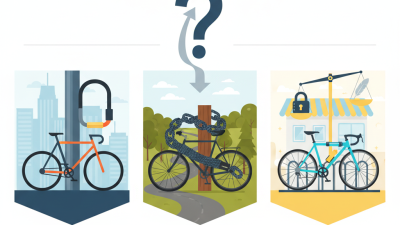
Start by thinking about how you typically park your bike. Do you leave your commuter bike outside a packed train station for hours? Or maybe you just pop your weekend bike outside a cozy café for a few minutes? Also, keep in mind the value of your bike, common local theft tactics, and the quality of the bike racks where you lock up. A super-thick lock tied to a wobbly old signpost doesn’t exactly scream “peace of mind,” you know? Sometimes, the little details really do count.

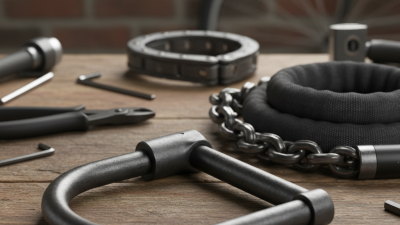
In this guide, I go over different kinds of locks—U-locks, chains, folding locks, and cable locks—covering stuff like security level, weight, how easy they are to use, and how much they cost. I also talk about how to lock your frame and your wheels, what security ratings actually mean—and what they don’t—and which features are worth having with you every day. But hey, there are always trade-offs. A lock that’s light and easy to carry might not stand up as well against a determined thief, and security ratings aren’t foolproof predictors of real-world attacks. Choosing the right lock can be kinda confusing, even for seasoned riders. Sometimes, you might need to make adjustments after trying things out for a few weeks. Ultimately, the goal is to pick a lock that offers solid protection but is also practical enough that you’ll actually use it every time. That’s what matters most.
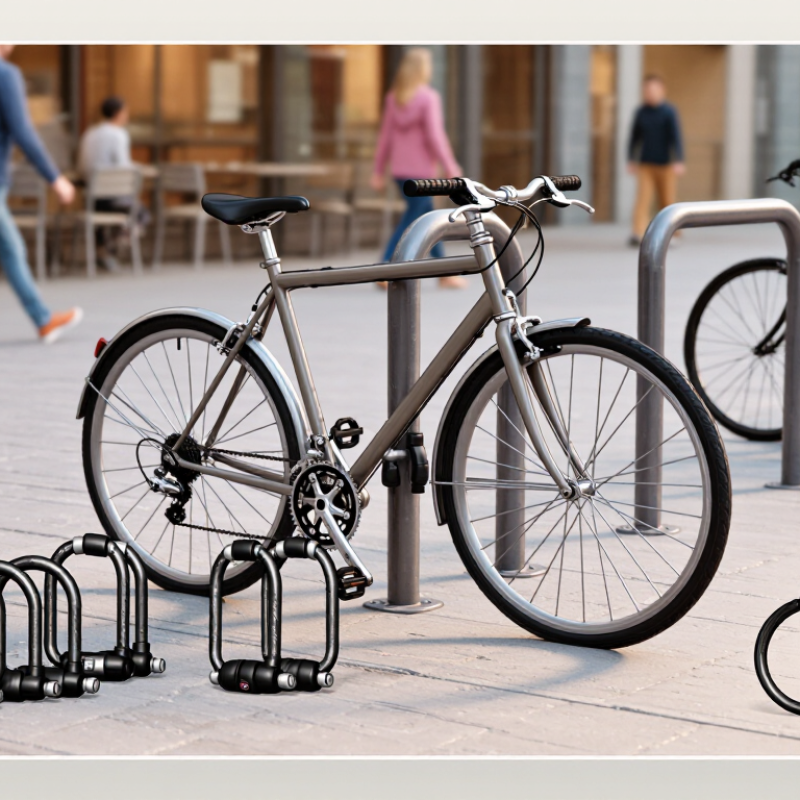
How to Choose the Best Bike Lock for Your Needs

Understanding the Risks a Bike Lock Must Address

A bike lock does not make a bicycle impossible to steal; it makes theft harder, slower, and less attractive. The risk depends on more than the lock itself. A quiet alley, a crowded rack, and a long stop each create different conditions. A thief may target an easy-to-reach wheel, a weak frame connection, or a lock that leaves room for leverage.

That matters.

Look at how the lock works with your bike and parking spot. It should secure the frame to a fixed, sturdy rack, not just hold a wheel in place. Check whether the lock can reach the rack without touching the ground, where it may be easier to attack. In busy areas, visible parking and shorter stops can reduce opportunity, though neither guarantees safety. A lock’s weight also affects whether you carry it every day; an excellent lock left at home offers no protection. I used to focus too much on advertised strength. Fit and routine deserve equal attention. Even careful choices leave some uncertainty. A worn mechanism or a rushed parking decision can quietly weaken the whole setup.

Assessing Your Bike, Riding Habits, and Parking Locations

A useful lock choice starts with your actual bike, not a catalogue ranking. Check its frame, wheel value, and whether the wheels detach quickly. A lightweight commuter bike may need a different setup from an expensive e-bike. Measure the frame and wheel together against a fixed rack before buying; a lock that barely fits often leaves awkward gaps. Details matter.

Your routine matters just as much. Do you leave the bike outside a café for ten minutes, or beside a station all day? The Office for National Statistics’ Crime Survey for England and Wales estimated roughly a quarter-million bicycle theft incidents in the year ending March 2023. That broad figure cannot predict risk on your street, but it shows why regular parking deserves careful thought. Look for busy, visible parking with a solid rack, and consider carrying a second lock if you leave the bike for longer periods. A phrase like “China Bike Lock Bike Lock” may appear in a search, but judge any option by its security rating, fit, weight, and ease of daily use—not wording alone. I have to admit, convenience can win over caution on a rushed morning. That is worth reconsidering.

Comparing U-Locks, Chain Locks, Folding Locks, and Cable Locks

U-locks offer a compact, rigid barrier and work well when a bike frame can sit close to a rack. Their short shape can make awkward parking frustrating, though. Check that the lock fits around your frame, wheel, and the rack before buying. A thicker shackle may resist cutting better, but it also adds weight to your bag. Still, weight matters.

Chain locks bend around posts and let you secure more parts of a bike. Their flexibility is useful in crowded racks, but a heavy chain can become tiresome on a daily commute. Look for a protective sleeve, since bare metal can scratch paint. Folding locks offer a middle ground: linked plates pack neatly and reach around larger objects. Their joints need careful inspection, and the compact mount may rattle if fitted loosely.

Cable locks are light and easy to thread through wheels, but they generally offer less resistance to cutting than solid U-locks or chains. They suit brief stops in lower-risk settings, not every parking situation. An OEM Bike Lock Bike Lock should be assessed by its material, dimensions, and construction rather than its listing title. I would compare the actual weight and usable length; product descriptions can make these details easy to miss.

Evaluating Security Ratings, Materials, and Locking Mechanisms

Security ratings are useful only when you know what they measure. Check whether a rating comes from independent testing, and compare locks within the same rating system. A high score cannot guarantee protection in every setting. No rating removes every risk.

Look closely at the materials, too. Hardened steel resists cutting better than thin cable, while a thick chain can be heavy to carry. A rigid U-shaped lock may secure a frame and wheel to a sturdy rack, but its opening must fit around both.

Test the key or combination mechanism before buying; a sticky cylinder is frustrating in cold weather or rain. If you see “Custom Bike Lock Bike Lock” in a listing, treat it as search wording, not evidence of tested security. That distinction is easy to miss.

Match the lock to where you park, how long you leave the bike, and what you can comfortably carry. Then practice securing the frame and at least one wheel to an immovable object.

A second lock can help protect the remaining wheel, though carrying it every day may become a nuisance.

Matching Lock Weight and Price to Your Daily Needs

The best lock is one you will actually carry. A heavy hardened-steel chain can offer useful resistance, but it may feel miserable in a backpack during a long commute. For quick errands near busy streets, a compact folding lock or sturdy U-lock may be easier to bring along. Check its weight before buying, not just the product photos. A lock that adds several pounds can change how often you ride.

Price should match your usual parking conditions. A bike left outside for hours near a crowded station may justify spending more on a robust lock than a bike stored indoors and parked briefly. Still, a higher price alone does not guarantee better protection. Look at the locking mechanism, material, and practical dimensions, then check whether it can secure your frame to a fixed rack. A search for “Wholesale Bike Lock Bike Lock” may show bulk pricing, but compare specifications carefully; low cost is not much help if the lock is awkward or poorly suited to your bike. I have found that carrying a lock daily exposes small annoyances fast. That part is easy to overlook. Reconsider your choice after a week: if it stays at home, its paper specifications do not matter much.

Using and Maintaining a Bike Lock Effectively

Using and maintaining a bike lock effectively starts with where and how you secure the bike. Choose a fixed, sturdy rack, then pass the lock through the frame and, if possible, a wheel. Keep the lock off the ground and leave little room inside it; extra space can make leverage easier. A quick tug helps. Check that the rack itself cannot be lifted or easily moved.

Make locking up part of your routine, even for a short stop. I once left a wheel outside the lock because I was in a hurry. It was a small mistake, but an avoidable one. If your lock has a keyway, face it downward or away from rain when practical. Keep the key separate from the bike, and test the lock before leaving home if it has been sitting unused.

Dirt and moisture can make a lock stiff over time. Wipe the body and shackle with a dry cloth, and follow the maker’s care instructions for the keyway. Avoid forcing a key that will not turn; check for grit or ice first. I sometimes forget to inspect my lock until it feels rough. That is late. A brief monthly check can reveal a loose mount, worn coating, or mechanism that needs attention.

FAQS

What should a bike lock actually do?

It cannot make a bicycle impossible to steal. It should slow access and secure the frame to a sturdy, fixed rack. Not just the wheel.

Where should I attach the lock?

Pass it through the frame and rack, and include a wheel if it fits. Keep the lock off the ground, where it may be easier to attack.

Does parking location affect theft risk?

Yes. A quiet alley, crowded rack, and long stop create different conditions. Choose a visible spot and keep stops short when possible. No guarantee.

Are U-locks practical for everyday use?

They provide a compact, rigid barrier when the bike fits close to a rack. Check the fit around the frame, wheel, and rack before buying. A thick shackle adds weight.

When is a chain lock useful?

Its flexibility helps reach around posts and secure more parts of a bike. A heavy chain can feel tiring on a commute. A sleeve helps protect paint.

What should I know about folding locks?

Linked plates pack neatly and can reach around larger objects. Inspect the joints, and check that the mount does not rattle. Small details matter.

Are cable locks enough for every stop?

No. They are light and easy to thread through wheels, but generally resist cutting less than solid U-locks or chains. They suit brief stops in lower-risk settings.

How should I compare lock options?

Check the material, dimensions, construction, usable length, and actual weight. Product descriptions can hide practical details. I used to focus too much on advertised strength. Fit and daily habits matter, too.

Conclusion

Choosing the Best Bike Lock starts with understanding the risks in the places where you ride and park. Consider your bike’s value, how long it will be left unattended, and whether you usually park in busy areas, quiet streets, or secure indoor spaces. These details help determine how much protection you need. U-locks, chain locks, folding locks, and cable locks each offer different balances of security, flexibility, and portability, so compare their construction, materials, locking mechanisms, and independent security ratings before deciding.

The right lock should also fit your everyday routine. A heavier option may provide greater resistance but can be inconvenient to carry, while a lighter lock may suit short stops or lower-risk settings. Set a budget that reflects the value of your bike and the protection you need. For better results, secure the frame and a wheel to a fixed object, keep the lock clear of the ground when possible, and check it regularly for wear, damage, or stiffness.

Sophia

Sophia

Sophia is a dedicated marketing professional at Wenzhou Naibao Lock Industry Co., Ltd., where she leverages her in-depth knowledge of the company's innovative lock products to enhance brand visibility and customer engagement. With a strong focus on quality and security, Sophia plays a pivotal role......
Previous How to Find Reliable Motorcycle Locs Suppliers?