Leave Your Message
0%

Finding a trustworthy supplier for Motorcycle Locs isn’t just about comparing prices. Sure, that’s part of it, but you really want to look into product consistency, testing records, and whether the materials can actually be tracked back. Just having a slick website doesn’t tell the whole story, trust me.

In 2023 alone, the National Insurance Crime Bureau reported about 55,290 stolen motorcycles in the U.S. — that number really underscores why reliable security gear is a must. When you're shopping around, make sure suppliers give clear specs, use tested locking cylinders, incorporate hardened steel components, and have documented resistance ratings. It’s also smart to look for certifications linked to recognized standards like EN 12320, Sold Secure, or ART approval, where relevant. Don’t be shy—ask for up-to-date certificates, details about the labs, and testing dates. If someone’s vague or sidesteps those questions, it’s a big red flag.

Experience definitely counts here.

Take David Hough, author of *Proficient Motorcycling* — he says, “The best riders are always learning.” That’s a great motto, even when you’re buying stuff. Always keep yourself in the loop about how suppliers are audited, their warranty policies, batch control, and how they handle after-sales support. Before dropping a chunk of change, ask for a sample first. Check out its welds, coating quality, how smoothly the key turns, packaging, and instructions. Then compare that sample with the actual product they deliver — even small differences can show you if their quality control isn’t quite up to snuff.

While industry reports can be helpful, they shouldn’t be the only thing you rely on. It’s important to verify the details yourself. Look into their past with recognized business registries, check independent customer reviews, and see if they’ve got a proven record of exporting. And don’t forget to confirm whether they actually make the Motorcycle Locs or just resell them — that’s an important distinction.

Of course, mistakes can still happen.

A lower price might mean they’re cutting costs with cheaper materials, or it could just be efficient manufacturing. And just because a product has a well-known certification doesn’t mean it covers all models or is always reliable. So, the key is to ask for solid proof, not just take bold claims at face value. The best suppliers are transparent, well-prepared technically, and happy to let you review the details — that’s how you know you’re in good hands.
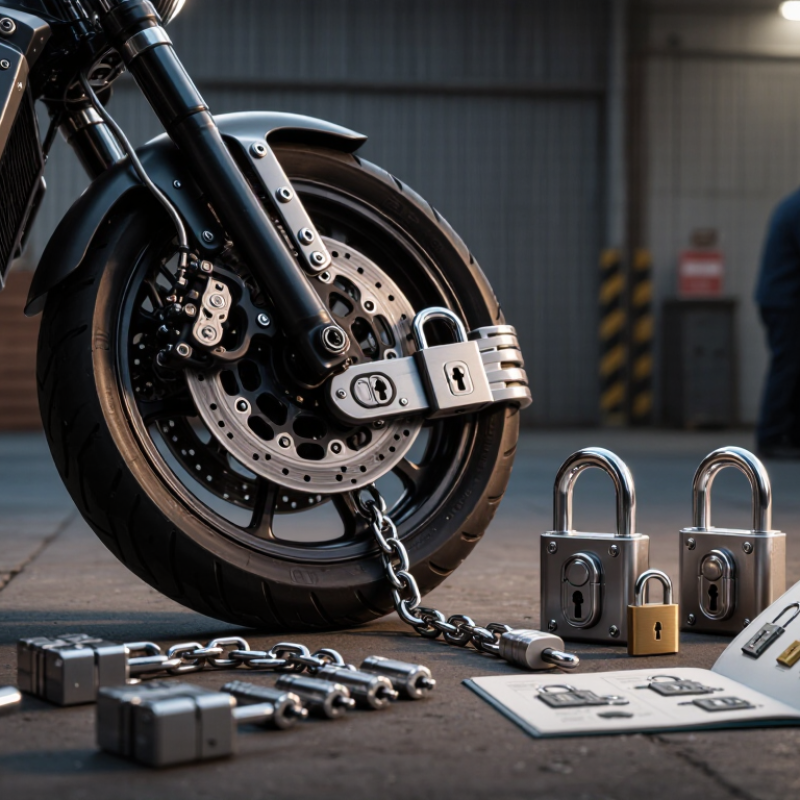
How to Find Reliable Motorcycle Locs Suppliers?

Define the Motorcycle Locks and Supplier Categories You Need

Reliable motorCycle Lock sourcing starts with a precise product definition. Motorcycle locks include disc locks, chain locks, handlebar locks, U-locks, and electronic alarm locks. Each category serves a different risk and riding condition. A compact disc lock fits under a seat. A hardened chain works better beside a fixed post. Define the locking point, steel grade, weather rating, alarm function, key system, and target price before contacting suppliers. Grand View Research’s 2024 smart lock report identifies growing demand for connected security products, but electronic features can increase failure points. That deserves careful review.

Supplier categories also need clear separation. Original equipment suppliers usually support vehicle integration and stable specifications. Aftermarket manufacturers offer wider designs and lower development barriers. Trading companies may combine China Motorcycle Locs with packaging and export services, yet factory traceability can be weaker. Specialist lock makers often provide stronger testing records. Ask for material certificates, cycle-test results, corrosion-test conditions, sample inspection, and production lead times. A professional supplier should explain these details without vague promises.

Tips: Compare three samples, not three quotations. Check the shackle with a caliper. Test the key in rain and dust. Request a recent factory audit or independent inspection report. Intertek’s security testing guidance stresses repeatable methods, while ISO 9227 salt-spray testing helps compare corrosion resistance. Still, a test report does not prove everyday durability. I would review packaging, spare keys, warranty handling, and batch consistency. Some suppliers look excellent during sampling, then change materials later. That risk needs written control.

Set Clear Requirements for Product Quality, Use, and Compatibility

A reliable motorcycle locs supplier should begin with your exact requirements, not a generic product list.

Define the motorcycle models, installation points, dimensions, materials, finish, and intended use. Will the locs secure a seat, storage case, or another component? Each application needs different strength and movement tolerance. Include temperature, rain, dust, and vibration conditions. Small details matter.

Ask suppliers for measurable evidence.

Request material specifications, dimensional drawings, tolerance ranges, and test records. For OEM Motorcycle Locs, confirm whether the parts match original mounting holes, fasteners, and operating clearances.

A sample should be installed on the actual motorcycle or an accurate fixture. Check the key movement, latch alignment, surface finish, and resistance to repeated use. It should not feel loose.

Test more than one sample.

Production variation happens. I once focused too heavily on a clean sample and overlooked inconsistent spring tension in a later batch. That assumption was weak.

Ask how the supplier controls incoming materials, tooling, inspection, and final packing. Clear inspection photos help, but physical testing remains more reliable.

Keep written acceptance standards, including rejection limits for scratches, poor plating, misalignment, and difficult operation. A supplier who asks practical questions may understand compatibility better than one offering the lowest quotation.

Search for Potential Motorcycle Locks Suppliers Through Reliable Channels

Finding reliable motorCycle Lock Suppliers starts with dependable channels, not random search results. Use established trade directories, verified industry exhibitions, and professional manufacturing associations. These sources often provide supplier profiles, production categories, and contact records. Still, a directory listing is not proof of quality.

Ask each supplier for a factory address, business registration details, and recent product test reports. Request clear photographs of workshops, assembly lines, packaging areas, and storage conditions. A serious supplier should explain materials, locking mechanisms, corrosion resistance, and quality inspection steps. For Custom Motorcycle Locs, discuss dimensions, mounting points, key systems, finish options, and packaging before requesting a quotation. Vague answers deserve caution.

Order samples from at least two suppliers. Check whether the lock fits the motorcycle bracket without forcing it. Examine welds, moving parts, key rotation, surface coating, and the consistency of several units. Keep a simple inspection sheet with dates and photographs. This creates useful evidence when comparing suppliers. Ask about production capacity, defect handling, replacement terms, and delivery schedules. A video call can reveal more than polished catalog images.

I once trusted a low price too quickly. The sample looked acceptable, but the second batch had rough edges. That mistake was avoidable. Do not rely only on certificates. Verify issuing organizations and match documents with the actual factory. Request a small trial order before making a larger commitment. Reliable communication matters as much as technical performance. Suppliers who answer precisely usually make cooperation easier. Usually, not always.

How to Find Reliable Motorcycle Lock Suppliers?

Search through reliable channels and evaluate each potential supplier with a consistent verification checklist before requesting samples or quotations.

How to use this chart: Prioritize suppliers that can provide traceable legal documents, product specifications, sample-test results, production evidence, and clear after-sales procedures. The percentages represent a practical screening-weight model, not market-share data.

Verify Supplier Credentials, Manufacturing Standards, and Experience

A reliable motorcycle locks supplier should pass three checks: credentials, manufacturing standards, and practical experience. Verify the company’s registration, factory address, export records, and named quality manager. Request current ISO 9001 certificates, then confirm them through the issuing body. The ISO Survey 2023 reported more than 1.2 million ISO 9001 certificates worldwide. Certification helps, but it is not proof of every product’s quality.

Inspect the manufacturing details closely. Ask for steel grade, cylinder specifications, corrosion-test results, and cycle-testing records. A serious supplier should provide batch numbers, inspection photos, and traceability from raw material to shipment. Check whether its testing follows recognized requirements, such as EN 12320 for padlock performance, when applicable. The NICB’s 2023 Hot Wheels report recorded over 500,000 vehicle thefts in the United States. That figure shows why weak locking components deserve careful scrutiny.

Experience should be measurable, not just claimed. Request anonymized purchase records, production lead times, defect rates, and references from established distributors. Ask to inspect a pre-production sample under realistic conditions: rain exposure, repeated locking, vibration, and forced-torque testing. I once treated a polished certificate scan as enough evidence. It was not. Supplier interviews should include uncomfortable questions about rejected batches and corrective actions. A factory that admits past failures may be more credible than one promising perfection. Review the answers against independent inspection findings before approving a long-term order.

How to Find Reliable Motorcycle Locks Suppliers? - Verify Supplier Credentials, Manufacturing Standards, and Experience

Verification Dimension Recommended Requirement Evidence to Request Practical Verification Method Risk Level
Business Registration The legal entity should be officially registered and authorized to manufacture or trade security hardware. Business registration certificate, registered address, tax information, and legal representative details. Compare documents with the relevant government or commercial registry and confirm that the registered business scope matches the proposed products. High
Factory Ownership and Capacity The supplier should clearly distinguish between its own factory, contracted production, and trading activities. Factory address, production-line information, equipment list, monthly capacity, and subcontractor disclosure. Arrange a live video audit or independent on-site inspection. Check whether the observed processes match the submitted product information. Medium
Quality Management System A documented quality management system should control incoming materials, production, inspection, nonconforming goods, and corrective actions. Current ISO 9001 certificate, certificate scope, issuing body, internal inspection procedures, and corrective-action records. Verify the certificate through the certification body and confirm that the scope covers metal hardware, security products, or the relevant manufacturing activity. Medium
Material Traceability Steel, stainless steel, aluminum, zinc alloy, coatings, and key components should be traceable to defined specifications and production lots. Material specifications, supplier declarations, batch records, incoming inspection reports, and coating specifications. Review a sample batch record and compare it with purchase documents, inspection results, and the finished-product identification system. Medium
Product Security Design The design should address unauthorized opening, forced rotation, drilling, cutting, picking, and tampering according to the lock type and intended use. Engineering drawings, bill of materials, key-system description, tolerance data, design risk assessment, and revision history. Inspect production samples, review failure modes, and confirm that the tested configuration matches the design supplied for mass production. High
Applicable Product Standards Standards should be selected according to the product category. EN 12320 may be relevant to certain padlocks, but it does not automatically cover every motorcycle lock design. Test reports, standard edition, laboratory details, tested model number, and scope of applicability. Check whether the report identifies the same model, materials, dimensions, and configuration as the samples and purchase specification. High
Mechanical Performance Testing Testing should cover tensile strength, impact resistance, shackle or chain resistance, locking-cycle durability, and function after environmental exposure. Laboratory reports, test procedures, acceptance criteria, sample quantity, test dates, and failure records. Use an independent laboratory for qualification testing and require production-lot verification for critical mechanical characteristics. High
Corrosion and Finish Control Outdoor-use locks should have a defined surface finish and corrosion-resistance requirement suitable for moisture, road salt, and handling conditions. Plating or coating specification, thickness records, salt-spray or cyclic-corrosion reports, and appearance criteria. Confirm the test method, exposure duration, evaluation criteria, and whether moving parts remained functional after testing. Medium
Key and Cylinder Control Key blanks, cylinders, pin configurations, and replacement-key procedures should be controlled to reduce unauthorized duplication and mix-ups. Key-control procedure, coding records, restricted-access policy, cylinder inspection plan, and replacement-key workflow. Review access controls and test a statistically representative sample for key interchangeability and smooth operation. High
Production Inspection Plan The supplier should use documented incoming, in-process, final, and pre-shipment inspections with measurable acceptance criteria. Inspection checklist, control plan, sampling standard, defect classification, calibration records, and inspection reports. Conduct pre-shipment inspection using an agreed sampling plan; verify dimensions, operation, surface finish, packaging, and quantity. Medium
Relevant Industry Experience Experience should be demonstrated through comparable lock types, production volumes, export documentation, and handling of customized specifications. Anonymized project summaries, sample inspection records, product-development timelines, and references that can be contacted with permission. Evaluate whether previous products had similar security, durability, packaging, and regulatory requirements rather than relying only on years in business. Medium
Supply-Chain Continuity Critical materials and components should have approved alternatives, defined lead times, and documented change-control procedures. Capacity plan, component-source list, safety-stock policy, business-continuity plan, and engineering-change procedure. Review recent delivery performance and confirm that no material or component substitution can occur without written approval. Medium
Warranty and After-Sales Support The supplier should define warranty duration, excluded conditions, claim evidence, replacement procedures, and response times before order placement. Written warranty terms, complaint log, corrective-action process, spare-parts list, and service-level commitments. Include service obligations in the purchase contract and review how previous product complaints were analyzed and closed. Low
Qualification rule: Do not approve a supplier solely because of a certificate or low price. Require consistent evidence across legal credentials, product testing, factory controls, material traceability, and sample performance.

Compare Product Quality, Pricing, Minimum Orders, and Delivery Terms

How to Find Reliable Motorcycle Locs Suppliers?

Finding dependable Wholesale Motorcycle Locs suppliers requires more than comparing attractive catalog photos. Product quality should be checked through samples, not promises. Inspect the metal finish, locking movement, stitching, and protective coating. A reliable sample should feel solid, open smoothly, and resist light moisture without visible discoloration. Ask for material details, load testing records, and inspection procedures. Small defects matter. A loose hinge can become an expensive complaint later.

Pricing also needs context. Compare the full unit cost, sample charges, packaging fees, and shipping expenses. A low quotation may hide weak packaging or costly replacements. Minimum orders should match your storage capacity and sales forecast. Request a smaller trial order when possible. Delivery terms must state production time, dispatch location, shipping method, and responsibility for damage. Confirm whether customs paperwork and tracking support are included. I once underestimated packaging volume, and the freight adjustment reduced the expected margin. That mistake was avoidable. Ask for written terms before payment, including tolerance for delays and the process for reporting defects. Keep communication records. Reliable suppliers answer technical questions clearly, admit limitations, and provide consistent information across quotations, samples, and invoices. Availability alone is not proof of reliability.

Evaluate Samples, Communication, Customization, and After-Sales Support

How to Find Reliable Motorcycle Locks Suppliers?

A dependable supplier should prove quality through physical samples, not polished photos. I usually test several locks on different motorcycle models. The shackle should close smoothly, without grinding or loose movement. I also check key rotation after dust exposure, rain, and repeated vibration. Small defects matter. A weak spring can become a serious problem during daily use. Ask for material details, test records, and clear inspection procedures before placing a large order.

Communication reveals operational reliability. Notice how quickly the supplier answers technical questions and handles unclear requirements. Can they adjust dimensions, cylinder types, packaging, or engraving? Customization should include drawings, sample approval, and written tolerances. One supplier once promised a perfect fit, but no measurement sheet was confirmed. That mistake delayed production. Reliable partners explain limitations instead of agreeing to everything. After-sales support also deserves careful review. Confirm replacement policies, response times, warranty coverage, and how defects are documented.

Tips: Request two or three samples. Record every test result. Ask for a video of final inspection. Compare the delivered sample with the approved version. Keep communication in writing. A supplier that responds calmly to complaints is often safer than one offering the lowest price. Still, I would not rely on promises alone. Inspect the first production batch before approving repeat orders.

Choose the Supplier That Offers the Best Overall Reliability

How to Find Reliable Motorcycle Locks Suppliers?
Choose the Supplier That Offers the Best Overall Reliability

Reliability means more than a low quotation. Choose a supplier that proves stable materials, repeatable assembly, and responsive after-sales support. Ask for batch records, tensile-test results, corrosion testing, and a clear replacement process. An impressive sample is not enough.

NICB’s 2023 Motorcycle Theft Report recorded 55,014 stolen motorcycles in the United States. That figure makes security hardware a practical risk-control purchase, not a decorative accessory. Supplier checks should cover lock bodies, hardened shackles, cylinders, packaging, and shipment protection. The ISO Survey 2022 reported more than 1.2 million ISO 9001 certificates worldwide. Certification alone proves little, though. Request the certificate number and verify its scope with the issuing body. Review samples from different production batches. Small differences matter.

Tips: Compare three suppliers using the same scorecard. Give quality, traceability, testing, lead time, and communication equal attention. Require pre-shipment inspection photos and retain random samples for six months. Do not rely on catalog claims. An honest supplier should disclose failure rates, corrective actions, and material substitutions. Some suppliers may resist these questions; that resistance is useful evidence. Still, no checklist is perfect.

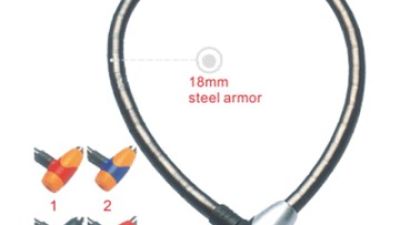
Nurbo Black Anti-Theft Bicycle Joint Lock: Reliable Security for Bicycles and Motorcycles

Designed for dependable bicycle and motorcycle security, this anti-theft joint lock combines a strong PVC-coated cable with a durable ABS outer case and brass lock cylinder. The 18 mm cable is available in 800 mm, 1000 mm, and 1200 mm lengths, giving users flexible options for securing bicycles, motorcycles, gates, and other suitable items. Its robust construction helps resist daily wear while providing a practical layer of protection during parking or storage.

The lock includes two brass keys for convenient access and everyday use. The high-quality PVC rope helps protect surfaces from scratches while adding resistance to weather and rust, making the lock suitable for outdoor conditions. Its sturdy yet user-friendly design allows it to be attached and released efficiently, whether at home, on the road, or in a public parking area. With reliable materials and multiple cable-length choices, it offers a convenient security solution for a wide range of bicycles and motorcycles.

FAQS

Where should I search for motorcycle lock suppliers?

Use established trade directories, verified exhibitions, and professional manufacturing associations. These channels offer supplier profiles and contact records. A listing is not proof.

What documents should I request from a potential supplier?

Request the factory address, business registration, and recent product test reports. Ask for the certificate number and verify its scope with the issuing organization. Documents can be outdated.

How can I inspect a supplier’s factory remotely?

Request current photographs of workshops, assembly lines, packaging areas, and storage rooms. A video call may reveal clutter, limited equipment, or weak inspection practices. Catalog images are insufficient.

What technical details should I discuss before requesting a quotation?

Discuss dimensions, mounting points, key systems, finishes, and packaging requirements. Ask about materials, locking mechanisms, corrosion resistance, and inspection procedures. Vague answers deserve caution.

Should I order samples from several suppliers?

Yes, order samples from at least two suppliers. Check bracket fit without forcing the lock into place. Inspect welds, moving parts, key rotation, coating, and unit consistency. Samples can mislead.

What should I record during sample inspection?

Keep an inspection sheet with dates, photographs, measurements, and observed defects. Compare samples from different production batches. Small differences may expose unstable assembly quality.

Which production and after-sales questions matter most?

Ask about production capacity, defect handling, replacement terms, and delivery schedules. Request batch records, testing results, failure rates, and corrective actions. Clear answers usually support smoother cooperation.

How should I choose between several suppliers?

Compare three suppliers with the same scorecard. Evaluate quality, traceability, testing, lead time, and communication equally. Request pre-shipment inspection photographs and retain random samples for six months. No checklist is perfect.

Conclusion

Finding reliable Motorcycle Locs suppliers begins with clearly defining the type of locks required, such as handlebar locks, disc locks, chain locks, or integrated security systems. Establish detailed requirements for materials, durability, weather resistance, intended use, compatibility, safety features, and required certifications. Potential suppliers should be located through dependable industry directories, trade events, professional referrals, and verified business platforms. Before making a decision, review their company history, production capabilities, quality-control procedures, manufacturing standards, export experience, and customer feedback.

A practical comparison should include product quality, pricing, minimum order quantities, production capacity, lead times, packaging, payment conditions, and delivery terms. Request samples to evaluate performance and consistency, while also assessing communication speed, technical support, customization options, and after-sales service. The best supplier is not necessarily the cheapest one, but the partner that demonstrates stable quality, transparent communication, dependable delivery, flexible cooperation, and long-term responsibility. A careful evaluation process can help buyers select Motorcycle Locs suppliers that meet both operational needs and customer expectations.
Sophia

Sophia

Sophia is a dedicated marketing professional at Wenzhou Naibao Lock Industry Co., Ltd., where she leverages her in-depth knowledge of the company's innovative lock products to enhance brand visibility and customer engagement. With a strong focus on quality and security, Sophia plays a pivotal role......
Previous 2026 Top Cable And Lock Types Buying Guide?