Bike theft is a real headache for cyclists all over the world. I mean, just look at 2022 — the National Bike Registry reported nearly 2 million bikes got stolen in the US alone. That’s a pretty shocking number, honestly, and it really drives home how crucial it is to invest in a decent lock for your bike. A good quality lock doesn’t just scare off thieves; it also protects your hard-earned ride and gives you some peace of mind when you’re out and about.
There was actually a study by the Thatcham Research Institute that found bikes secured with a sturdy lock are 80% less likely to get stolen. That says a lot, right? Picking the right lock really can save you a lot of trouble down the road. Unfortunately, so many riders go for cheaper options that often don’t do the job properly. Going for a lock that meets industry standards might cost a bit more upfront, but it’s totally worth it to avoid that sinking feeling of losing your bike.
Even with all this info out there, it’s surprising how many cyclists still ride without a proper lock. Sometimes it just feels inconvenient or too expensive, and the risks seem far away. But honestly, reflecting on those choices can lead to smarter decisions. Putting safety first by using a solid lock means you can focus on enjoying your ride without constantly worrying about theft. After all, it’s your ride — protect it!
Importance of Bicycle Security in Urban Areas
Urban areas are often bustling with activity, making bicycles an appealing choice for transportation. However, these environments also present unique challenges regarding theft. Bicycle security must become a priority when riding in cities. Theft can happen quickly, leaving you without your essential mode of transport. Even for a moment's inattention, your bike could vanish.
To protect your bike, choose a robust lock. U-locks are generally more effective than chain locks. Secure your bike in well-lit, busy areas. Thieves tend to avoid spots where they might be seen. It's also wise to use multiple locks. A thief will likely be deterred by the extra time needed to cut through two different locks.
Regularly check your bike's security. Look for areas that might make your bike more vulnerable. Ensure that the lock is properly fastened to both the frame and the wheels. Encouraging a culture of pedestrian vigilance can also help ward off would-be thieves. We must work together in our communities to keep our bicycles safe in these urban landscapes.
Types of Common Bicycle Thefts and Their Impact
Bicycle theft is a growing concern in urban areas. Many cyclists underestimate the risks. Common types of theft include opportunistic snatchingand organized theft rings. Thieves often target bikes that appear easy to steal. A bike secured with a quality lock can deter many potential thieves. They seek quick and easy targets, not a Bike Locked with aChina Bike Lock Bike Lock.
The impact of bicycle theft can be severe. Victims often face significant financial loss. It can disrupt daily routines and lead to feelings of insecurity. Many cyclists may experience anxiety about leaving their bikes unattended. Some may even avoid using their bikes altogether. This shift away from cycling reduces overall bike usage in cities. When theft occurs, communities feel the effects. Fewer bikes mean less cohesion among cyclists and diminished cycling infrastructure.
Many cyclists overlook important details when securing their bikes. Choosing the right lock is essential but often neglected. A robust lock can provide a false sense of security. Cyclists might also forget to lock their bikes in well-lit, busy areas. Understanding the importance of proper locking techniques is essential for bike protection. Educating oneself on local crime trends adds another layer of safety. This knowledge can greatly reduce the chances of theft.
Overview of Different Bicycle Lock Types and Their Effectiveness
When it comes to protecting your bicycle, choosing the right lock is essential. There are several types of locks available, each with its own strengths and weaknesses. U-locks, for example, provide excellent security but can be heavy and cumbersome. Chain locks offer flexibility but may not be as secure against determined thieves. Each option has its place, depending on your biking habits and environment.
Using an OEM Bike Lock can increase your bike's safety. These locks are designed for durability and ease of use. However, no lock is impenetrable. A thief with the right tools can defeat even the most secure locks over time. It’s important to understand that using a lock is not a guarantee against theft. Parking your bike in well-lit, busy areas can complement lock security.
It's also vital to regularly check the effectiveness of your lock. Over time, wear and tear can weaken a lock's resistance. Revisiting your choice is a proactive step. Ultimately, invest in a lock that matches your needs and lifestyle. Each type of lock offers different benefits; choose wisely to protect your ride.
Best Practices for Locking Your Bike Securely
When securing your bike, the choice of lock is essential. Studies indicate that nearly 1.5 million bicycles are stolen each year in the U.S. alone. This figure underscores the need for a robust locking strategy. A strong Custom Bike Lock drastically reduces theft, especially in urban areas where stolen bikes are common.
Using a combination of locks can enhance security. U-locks are favored for their strength, while chain locks offer flexibility. According to a report by the National Bike Registry, bikes locked with two different types of locks are less likely to be stolen. It's critical to lock both the frame and the wheels to an immovable object. Failing to do so can lead to unexpected thefts, reminding us that even strong locks can't guarantee safety alone.
Many cyclists overlook their environment when locking their bikes. Parking in well-lit, populated areas can deter thieves. Research shows that bikes locked in crowded spaces are less likely to be stolen. Awareness of surroundings and using multiple locking techniques can significantly improve bike security. Always consider the lock quality, as inferior models can be easily compromised. Engaging in these practices is vital for safeguarding your bike effectively.
Factors to Consider When Choosing a Bike Lock
Choosing the right bike lock is essential for security. Various factors influence your decision. Material, lock type, and security rating are key considerations. A strong material can resist cutting tools. Steel is often preferred for its durability. Many locks use hardened steel, offering better resistance against thieves.
You might find it surprising, but not all locks provide equal protection. According to industry reports, U-locks tend to perform better against theft than chain locks. A study showed that U-locks have a 70% success rate in preventing theft. In contrast, chain locks often fall short, offering less security. Crime statistics indicate that bike thefts are rising, underscoring the need for reliable locks.
Your choice should match your biking needs. Weight and ease of use are important too. A heavy lock may be secure but inconvenient to carry. On the other hand, a lightweight model might be easier to manage, yet less secure. Finding the right balance is crucial. Reflect on your daily routine to make a knowledgeable choice.
Additional Safety Measures to Complement Locking Your Bike
Investing in a quality bike lock is crucial for theft prevention. However, locks alone may not be enough. To enhance your bike’s security, consider adding extra safety measures. Visibility plays a key role. Parking your bike in well-lit, busy areas can deter potential thieves. The more eyes on your bike, the safer it is.
Another effective strategy is to register your bike with local authorities or online databases. When a bike is registered, the chances of recovery after theft increase significantly. Marking your bike with unique identifiers can also help. Simple actions, like applying stickers or engraving your initials, can discourage theft.
Finally, regular maintenance is essential. A dirty or poorly maintained bike can attract thieves who may think it’s neglected. Locking your bike is a great first step, but taking additional precautions can provide a greater sense of security. Don’t just rely on your lock; think creatively about protection.
Understanding Local Crime Rates and Bicycle Theft Trends
Bicycle theft is a growing concern in many urban areas. Understanding local crime rates can give you insight into the likelihood of theft in your neighborhood. Studies show that theft rates can vary considerably from one city to another. A high crime rate often correlates with increased bike theft incidents. If you live in a city with higher crime rates, using a quality lock becomes even more critical.
Trends indicate that certain types of bikes are stolen more often. High-end models attract thieves, but even average bikes can be targets. A Wholesale Bike Lock provides an extra layer of protection. Yet, many cyclists still underestimate the effectiveness of their locks. Some may choose lighter locks for convenience, compromising security. It's crucial to choose a lock that meets your needs.
Local trends can shift quickly, influenced by community awareness and police efforts. Keeping informed about local theft conditions helps in making better security choices. Selecting the right lock can significantly impact your bike's safety. Always stay observant and proactive about your bike’s security. Even a high-quality lock may not guarantee safety, but it certainly reduces risks.
Why Do You Need a Lock For The Bike to Prevent Theft? - Understanding Local Crime Rates and Bicycle Theft Trends
| City | Bicycle Theft Rate (per 1,000) | Local Crime Rate (per 1,000) | Percentage of Thefts Solved (%) | Recommended Lock Type |
| City A | 5.4 | 50.3 | 20 | U-lock |
| City B | 3.2 | 30.1 | 35 | Chain lock |
| City C | 4.7 | 45.2 | 18 | Folding lock |
| City D | 6.9 | 47.5 | 15 | Disc lock |
| City E | 2.8 | 26.5 | 22 | Cable lock |
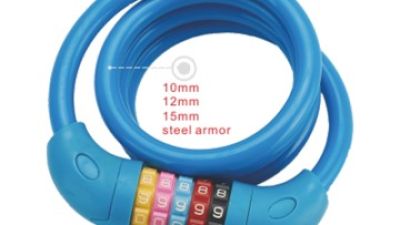
Essential Guide to Securing Your Bike: The Benefits of the Nurbo Blue 5-Digit Combination Bicycle Lock
Securing your bike is essential in today's world, where theft is a common concern for cyclists. One of the most effective ways to ensure the safety of your bicycle is by utilizing a quality combination lock. The 5-digit combination lock offers users a keyless convenience, which is particularly beneficial for those who may often misplace their keys. With a flexible cable designed to prevent strong cutting attempts, this type of lock provides an added layer of security that can boost your confidence when leaving your bike unattended.
Constructed with a robust zinc alloy lock cylinder and a durable ABS case, this lock not only ensures high resistance to tampering but also features a protective PVC coating on the wire rope. This protective layer serves to prevent scratching and rusting, keeping your lock in excellent condition over time. Not to mention, the cable's generous length allows for securing your bike in various locations, making it a multipurpose solution for cyclists. Its ability to roll up into a compact form also makes it an ideal choice for easy storage, letting you focus on enjoying your rides without worrying about the safety of your bicycle.
FAQS
: Common types include opportunistic snatching and organized theft rings. Thieves like easy targets.
Victims may face financial loss. It can disrupt routines and instill feelings of insecurity, leading to anxiety.
Quality locks can deter thieves. However, no lock is completely secure against determined individuals.
Different locks have various strengths and weaknesses. Knowing their features helps in making an informed choice.
Parking in well-lit and busy areas makes theft less likely. More people around means more potential witnesses.
Registration increases recovery chances after theft. It helps if the bike is marked with unique identifiers.
Additional measures include visibility strategies and regular maintenance. Neglected bikes can attract thieves.
Regularly check your lock's effectiveness. Replace it if it appears weakened or damaged to maintain security.
Yes, using different types of locks together can increase difficulty for thieves and enhance overall security.
Cyclists often forget to lock in well-lit areas or choose inadequate locks. Awareness of these factors is vital.
Conclusion
In urban areas, where bicycle theft is prevalent, having a reliable lock for the bike is essential for ensuring security. Bicycle theft can significantly impact the rider’s financial situation and convenience, making it critical to understand the different types of thefts and their implications. Various types of bike locks offer different levels of effectiveness, and choosing the right one involves considering factors such as size, material, and security ratings.
To lock your bike securely, adopting best practices is crucial. This includes locking both the frame and wheels to a solid object and choosing well-lit areas for parking. Additionally, complementing your lock for the bike with other safety measures, such as registering your bicycle or using tracking devices, can further deter theft. Understanding local crime rates and trends can also help cyclists make informed decisions to protect their bikes effectively.