Leave Your Message
0%

These days, more and more people are riding bikes, so making sure your cycle is secure has become more important than ever. Did you know that almost 17 million bikes are sold in the U.S. every year? That really shows just how much folks are out there investing in their rides, which means having a good lock is a must. A reliable Bike Lock isn’t just about protecting your bike — it’s also about giving you peace of mind, knowing your bike’s safe when you’re not around.

Dr. Linda Jacobs, who’s an expert in bike security, points out that the key is finding a lock that’s both tough and easy to use. She says, “The Best Bike Lock is one that’s durable enough to stop thieves but simple enough for everyday cyclists to handle.” With all the different kinds of locks out there—like U-locks, chain locks, and more—it can be a bit overwhelming to pick the right one. But understanding what makes some locks better than others can really help you keep your bike safe, especially in busy city areas where bike theft is still a big concern.
Top Tips for Choosing the Best Cycle Bike Lock to Secure Your Ride

Understanding Different Types of Bicycle Locks

Top Tips for Choosing the Best Cycle Bike Lock to Secure Your Ride

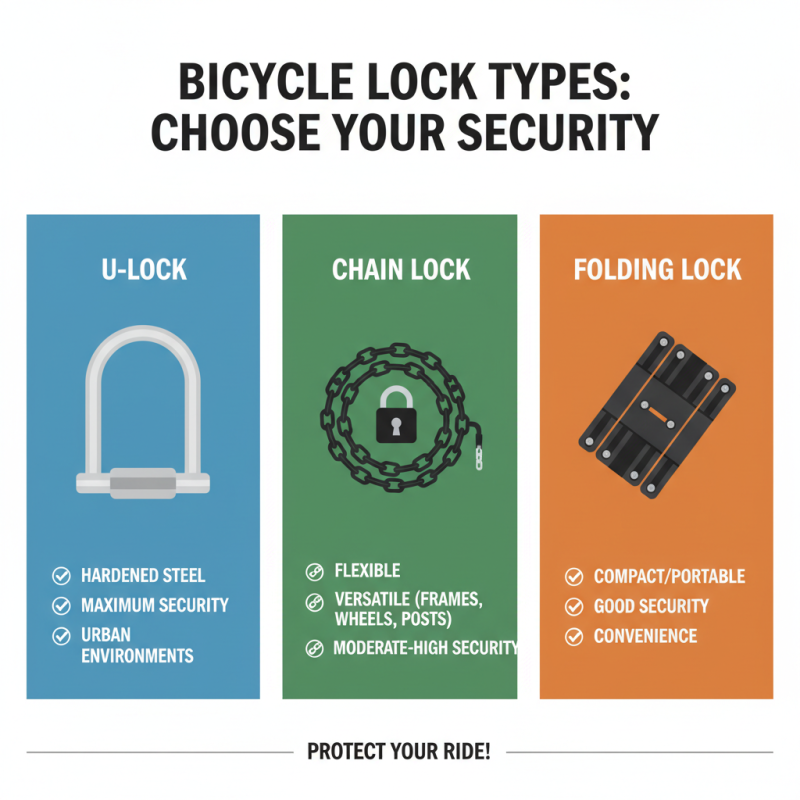
When it comes to securing your bicycle, understanding the different types of biCycle Locks is essential in making the right choice. The most common types include U-locks, chain locks, and folding locks, each offering unique advantages and disadvantages. U-locks are known for their robust security features, often constructed from hardened steel to resist cutting and leverage attacks. Their fixed shape can make them cumbersome for some users, but their high level of protection is ideal for urban environments where theft rates are higher.

Chain locks, on the other hand, offer versatility and ease of use. They consist of thick, linked chains that can wrap around various objects, providing users with more options for securing their bike. While they may be heavier and less portable than U-locks, a quality chain lock can provide excellent security when used correctly. Folding locks are a newer design in the market, combining portability with reasonable security. They can be easily packed away when not in use and can be locked onto a variety of objects, making them suitable for quick stops or casual rides. Understanding these types and their respective advantages will help you choose a lock that fits your specific needs and lifestyle.

Evaluating Security Ratings for Bicycle Locks

When selecting a bicycle lock, understanding security ratings is paramount. Various organizations assess locks based on their resistance to cutting, picking, and other forms of tampering. Typically, locks are rated on a scale that indicates their strength and security level, making it easier for consumers to compare products. By being aware of these ratings, cyclists can prioritize their safety and make informed choices.

It's also essential to consider the specific security needs based on your environment. High-crime areas may require locks with higher security ratings, such as those crafted from hardened materials or featuring advanced locking mechanisms. While a lock with a higher rating may come at an increased cost, the investment can be worthwhile for peace of mind and the protection of your bike. Remember, even the best lock can only provide adequate protection when used properly, so it’s essential to combine a quality lock with good locking practices to deter theft effectively.

Key Features to Look for in a Cycle Bike Lock

Top Tips for Choosing the Best Cycle Bike Lock to Secure Your Ride

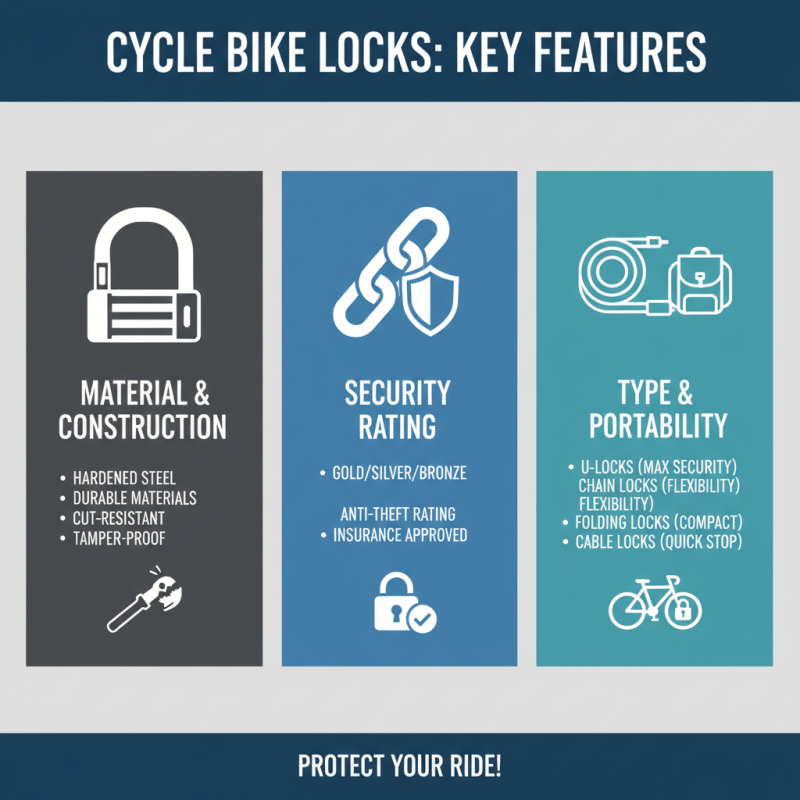
When selecting a cycle bike lock, understanding the key features is essential for ensuring the security of your bike. One of the primary aspects to consider is the lock's material and construction. Look for locks made from hardened steel or other durable materials that resist cutting and tampering. A solid build will provide greater protection against thieves, as flimsy locks are easily compromised.

Another critical feature is the locking mechanism itself. U-locks and chain locks are generally more secure than cable locks due to their resistance to various attack methods. Consider models that include advanced cylinder designs or disc detainers, which can deter lock picking. Additionally, the size of the lock should allow you to easily secure both the frame and the wheels to a fixed object, ensuring that your entire bike remains protected.

Finally, it's worth paying attention to the security ratings provided by reputable organizations. These ratings often reflect the lock's ability to withstand different types of attacks over specific durations. A higher rating typically indicates better security. For added convenience, look for locks that are lightweight and easy to carry, balancing strength with portability so you can securely lock your bike without the added burden.

Portability and Weight Considerations for Lock Selection

When selecting a bike lock, two critical factors to consider are portability and weight. A bike lock that is too heavy or cumbersome can deter a cyclist from bringing it along on rides, compromising the very security it is meant to provide. Therefore, it's crucial to find a balance between strength and convenience. Lightweight locks made from durable materials can provide adequate security without adding excessive weight to your ride. Look for designs that offer solid protection but can easily be attached to your bike frame or carried in a backpack.

Additionally, the method of securing the lock is important for portability. Locks with compact designs, such as folding or coiling options, can be stowed away easily without taking up much space. This is especially beneficial for city cyclists or those who frequently travel, as a lock should seamlessly integrate with your lifestyle. Always consider how the lock will fit into your daily routine; a portable option that you are comfortable carrying is far more likely to be used consistently, thereby enhancing the security of your bike.

Assessing Price vs. Security: Finding the Right Balance

When it comes to selecting the best cycle bike lock, finding the right balance between price and security is crucial. A recent report from the National Bicycle Dealers Association indicates that theft claims are on the rise, with over 1.5 million bicycles stolen in the U.S. each year. This alarming statistic emphasizes the importance of investing in a lock that provides strong security without breaking the bank. While cheaper locks may appeal to budget-conscious cyclists, they often lack the robustness needed to deter determined thieves, which can end up costing riders more in the long run.

According to a study published by the Bicycle Security Coalition, U-locks tend to offer the best security-to-price ratio, striking a balance that most cyclists can appreciate. On average, a high-quality U-lock can range from $50 to $100, a moderate investment considering the risk associated with low-quality locks. Moreover, the same study found that investing an additional 20% on a more secure lock can reduce the likelihood of theft by up to 50%. Therefore, when purchasing a bike lock, it is essential to weigh the upfront cost against the potential financial loss due to bike theft, ultimately leading to a more informed and secure choice for cyclists.

Top Tips for Choosing the Best Cycle Bike Lock to Secure Your Ride

Lock Type Security Rating (1-10) Average Price ($) Weight (lbs) Portability (1-5)
U-Lock 9 70 3.5 4
Chain Lock 7 50 5.0 3
Foldable Lock 8 80 4.0 4
Cable Lock 5 25 2.0 5
Disc Lock 6 40 1.5 5

Common Mistakes to Avoid When Choosing a Bike Lock

When it comes to securing your bicycle, many riders fall into common pitfalls that can lead to theft or damage. One significant mistake is opting for a lock that is too lightweight or made from inferior materials. According to a report by the Cycling Security Association, bikes secured with locks rated below the Sold Secure Bronze standard are at a significantly higher risk of theft. Investing in a high-quality lock with robust materials can deter potential thieves and keep your ride safe.

Another frequent error is neglecting to consider where and how you park your bike. Many cyclists underestimate the importance of choosing secure locations for locking up. According to recent statistics, bikes locked in well-lit, high-traffic areas are 30% less likely to be stolen. Always evaluate your locking spot and ensure it’s in a visible area to enhance security.

Finally, riders often overlook the necessity of locking both the frame and the wheels of their bike. Leaving one component unsecured provides an easy target for thieves. Aim to use a double-locking system—when possible—for added protection. Remember that being proactive about your bike's security can save you both time and money in the long run.

Maintenance Tips to Extend the Life of Your Bike Lock

When it comes to ensuring the longevity and effectiveness of your bike lock, maintenance is key. Regularly inspect your lock for any signs of wear or damage. A study by the National Bicycle Dealers Association revealed that a significant percentage of cyclists overlook the importance of lock maintenance, which can lead to premature failure in securing their bikes. Keeping the mechanisms clean and well-lubricated can extend the life of your lock considerably.

One effective maintenance tip is to apply a silicone-based lubricant to the keyhole and locking mechanism every few months. This prevents dirt buildup and ensures smooth operation. Additionally, ensure that your lock is kept dry and stored in a shaded area when not in use. Exposure to the elements can rust components, compromising security. According to industry analysis, proper care can enhance the lifespan of locks by up to 50%.

Always remember to store your bike lock correctly after use. Instead of leaving it exposed to rain or extreme temperatures, keep it inside a bag or in a dry location. Being proactive in your bike lock maintenance not only avoids the risk of theft but also saves you money in the long run by reducing the frequency of replacements.

FAQS

: What should I consider when choosing a bike lock regarding portability and weight?

: When selecting a bike lock, consider the balance between strength and convenience. Look for lightweight locks made from durable materials that can offer adequate security without being cumbersome. Additionally, choose designs that can be easily attached to your bike frame or carried in a backpack.

How do lock designs impact portability?

Compact designs such as folding or coiling locks can be easily stowed away without taking much space, making them ideal for city cyclists or travelers. A lock that fits seamlessly into your daily routine will likely be used consistently, improving your bike's security.

How can I maintain my bike lock for longevity?

Regularly inspect your lock for signs of wear or damage. It's important to keep the mechanisms clean and well-lubricated to extend its life. Applying a silicone-based lubricant to the keyhole and locking mechanism every few months can help prevent dirt buildup.

Why is it important to keep my bike lock dry?

Keeping your lock dry is essential to preventing rust on components, which can compromise its security. Always store the lock in a shaded area when not in use, away from exposure to rain or extreme temperatures.

How much can proper maintenance enhance the lifespan of a bike lock?

Proper maintenance, including cleaning and lubrication, can enhance the lifespan of bike locks by up to 50%. Being proactive can save you money by reducing the frequency of replacements.

What are some common mistakes cyclists make regarding bike lock maintenance?

Many cyclists overlook the importance of lock maintenance, which can lead to premature failure. Regular inspection and proper cleaning are critical to ensuring the lock remains effective.

What is a good practice for storing a bike lock after use?

It’s important to store your bike lock correctly after use. Instead of leaving it exposed, keep it inside a bag or in a dry location to protect it from the elements.

Why is the design of a bike lock important for cyclists?

The design of the lock affects how easily it can be carried and used, influencing whether a cyclist will consistently use it. A portable, well-designed lock integrates better with a cyclist's lifestyle, enhancing bike security.

How often should I lubricate my bike lock?

It's recommended to apply a silicone-based lubricant to the keyhole and locking mechanism every few months to ensure smooth operation and prevent dirt buildup.

Conclusion

When choosing a cycle bike lock, it's essential to understand the various types available, such as U-locks, chain locks, and cable locks. Each type offers different levels of security, which should be evaluated based on security ratings provided by reputable sources. Look for features like keyless entry options, durability, and resistance to cutting and picking, as these can significantly enhance the security of your bike.

Portability and weight are also vital considerations, especially for cyclists who carry their locks during rides. Balancing price with security is crucial; while higher-priced locks often offer better protection, it's important to find a lock that fits your budget without compromising safety. Avoid common mistakes, such as choosing a lock that's too light or ignoring installation methods. Lastly, regular maintenance can extend the life of your cycle bike lock, ensuring that it remains effective in protecting your bike over time.

Liam

Liam

Liam is a dedicated marketing professional at Wenzhou Naibao Lock Industry Co., Ltd., where he leverages his extensive knowledge of locks and security solutions to drive brand awareness and customer engagement. With a keen eye for detail and a passion for his work, Liam regularly updates the......
Previous Understanding Production Standards for Effective Good Bike U Lock Solutions