Picking out a good helmet and a solid lock might not sound like a big deal, but trust me, it’s super important for every cyclist out there. Like Dr. Alex Taylor, a safety expert in the cycling world, always says, “Your Bike Helmet And Lock are your first line of defense against accidents and theft.” It really drives home how crucial it is to make smart choices when it comes to your gear.
A decent helmet should fit snug but not be uncomfortable, and it needs to meet safety standards—that way, you’re protected without feeling like you're about to lose your mind. And let's not forget, a trusty lock has to be tough enough to keep those sneaky thieves at bay. Sadly, a lot of riders overlook these essentials. Some care more about looks than safety, which can seriously put them at risk. The right gear isn’t just about safety—it can actually make your rides more enjoyable and worry-free.
Think about how often you’re on your bike. If you’re out every day, investing in quality gear really pays off. Honestly, a cheap helmet might look cool, but it might not do the job if something goes wrong. Same with a flimsy lock—could be just enough to tempt a thief. At the end of the day, finding the right “Bike Helmet And Lock” combo means balancing safety with practicality—so you can ride more confidently, knowing you’re covered every time you hit the road.
Factors to Consider When Choosing a Bike Helmet
Choosing the right bike helmet is crucial for safety. A good helmet should fit snugly on your head without being uncomfortable. Check for adjustable straps. They help secure the helmet in place during your ride. Look for models with ventilation. This keeps your head cool while cycling.
Weight is also important. Some riders prefer lightweight helmets for comfort. However, they shouldn’t compromise on protection. Take time to read about safety certifications. A helmet should meet relevant safety standards. Testing for impact resistance matters when it comes to your safety.
You should think about style too. The design of a helmet can influence your choice. Many people pick helmets based on looks rather than safety features. This can be a mistake. Assess the balance between aesthetics and protection. Bike Locks are equally essential. Investing in a reliableBike Lock And Helmet will protect you and your ride.
Factors to Consider When Choosing a Bike Helmet
Types of Bike Helmets and Their Features
When selecting a bike helmet, consider the various types available. Each type serves a unique purpose. Road helmets are lightweight and aerodynamic. They provide ventilation, making them suitable for long rides.
Mountain bike helmets offer extra protection with a fuller coverage design. They often include a visor and additional padding.
Then, there are commuter helmets. These are versatile and often come with reflective elements for visibility. Each type has features to match different riding styles.
It's essential to choose one that fits your needs. Ensure it fits snugly but comfortably.
Tips: Look for certifications. This indicates the helmet meets safety standards. Try on multiple options. What feels good for one might not for another. Don’t forget about the lock.
A sturdy lock is as vital as a good helmet. A reliable lock protects your bike from theft. If you’re in China, bike helmet and lock options are plentiful. Assess your surroundings and choose wisely.
How to Ensure a Proper Fit for Your Helmet
Choosing the right bike helmet is crucial for safety. A proper fit can make all the difference. Start by measuring your head. Use a cloth tape to find the circumference. This will help you choose the correct size.
When trying on helmets, adjust the straps for a snug fit. The helmet should sit level on your head. It shouldn't move when you shake your head. If it does, it’s too big. Look for a gap of about two finger widths above your eyebrows. This ensures complete protection.
Don't forget to check the locking mechanism for your bike. An effective lock will deter thieves. Make sure it’s easy to use, yet secure. Your OEM Bike Helmet And Lock should be lightweight and practical. Remember, the best setup for safety and security is a mix of both.
Essential Safety Standards for Bike Helmets
When choosing a bike helmet, safety standards are crucial. According to the Consumer Product Safety Commission (CPSC), a helmet must pass specific impact tests. Helmets that meet CPSC standards reduce the risk of head injuries by 85%. This number is significant for cyclists of all ages. Failing to choose a compliant helmet may expose riders to severe injuries.
Additionally, the Snell Memorial Foundation sets even higher benchmarks. Their standards ensure helmets withstand more rigorous testing. A study by the National Highway Traffic Safety Administration shows helmets meeting Snell standards can greatly lower fatality rates in accidents. It implies that investing in a better-rated helmet could make a life-saving difference.
Many cyclists overlook the size and fit of helmets. A helmet that doesn't fit well offers little protection. A slip or movement during a fall could render the helmet ineffective. Riders often forget to adjust straps, impacting overall safety. This detail is easy to neglect. Checking for a snug fit is essential for maximizing safety. Does your helmet really fit? It's worth considering.
Choosing the Right Bike Lock for Your Needs
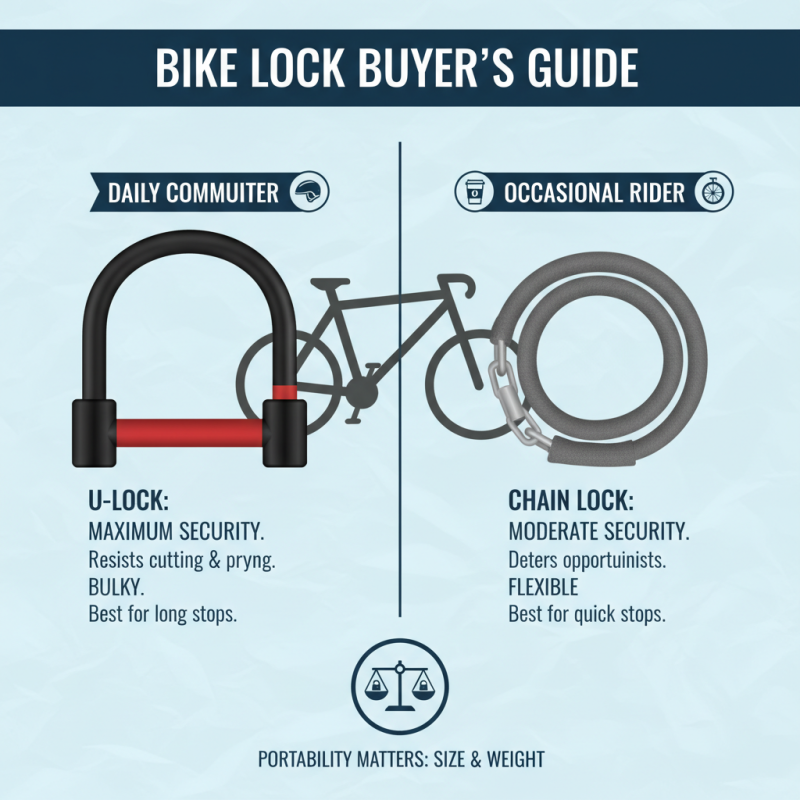
When choosing a bike lock, consider your main needs. Are you commuting daily or just riding occasionally? For regular use, a sturdy U-lock offers excellent security. It can withstand cutting and prying more than lighter locks, but it's also bulkier. If you're riding briefly to a coffee shop, a chain lock might suffice, but it offers less protection against theft. The size and weight of your lock matter, too, especially if you need to carry it.
Think about where you’ll park your bike. A location with high foot traffic requires a more secure lock. Choosing a lock that fits your bike frame well is crucial. Locks should be easily secured around the frame and wheels. Flexibility is key when choosing a locking mechanism. A lock that’s too tough to use may end up abandoned at home. On the other hand, a lock that's too simple may put your bike at risk.
Reflect on the lock’s features. Some come with alarms or tracking capabilities. These could be useful but might complicate your daily routine. Weigh the benefits and drawbacks of each option. Your choice can significantly impact your bike's safety. Ultimately, be aware that no lock is entirely foolproof. Thus, securing your bike in a safe area is just as important as the lock you choose.
Types of Bike Locks: Pros and Cons
Choosing a bike lock can be overwhelming due to the various options available. Common types include U-locks, chain locks, and folding locks. Each type has its pros and cons, making it essential to understand their features before making a decision. According to a report by the National Bicycle Dealers Association, U-locks are often recommended due to their strength. They resist cutting and picking, providing robust security for your bike.
On the other hand, chain locks offer flexibility. They can secure your bike to various objects and are often easier to carry. However, they are typically heavier and can be cut with the right tools. Folding locks provide a balance between convenience and security. They are lighter and more portable but may not offer the same level of protection as U-locks. In choosing a lock, consider your environment and how often you ride. With bike theft on the rise, awareness and proper locking methods are crucial.
Many cyclists underestimate the importance of selecting the right lock. A lock that seems secure may not withstand determined thieves. Awareness of local crime rates can guide your choice. As a cyclist, reflecting on your habits and potential risks is vital for effective bike security.
Essential Tips for Choosing the Right Bike Helmet and Lock - Types of Bike Locks: Pros and Cons
| Type of Bike Lock | Pros | Cons |
| U-lock | Very secure, pick-resistant, and durable. | Can be heavy and cumbersome to carry. |
| Chain lock | Flexible and can secure multiple bikes. | Can be heavy, and lower quality chains can be cut easily. |
| Folding lock | Compact, portable, and offers good security. | Can be expensive and somewhat heavy. |
| Cable lock | Lightweight, flexible, and easy to use. | Easily cut and offers less security. |
| Type of Bike Helmet | Pros | Cons |
| Road helmet | Lightweight and aerodynamic. | Limited ventilation compared to others. |
| Mountain helmet | Good ventilation and protection. | Heavier than road helmets. |
| Commuter helmet | Includes features like lights and visors. | Often heavier and bulkier. |
| Skate helmet | Provides excellent protection. | Less aerodynamic and can be heavier. |
Tips for Securely Locking Your Bike in Various Environments
Locking your bike securely is crucial in preventing theft. A staggering 1.5 million bicycles are stolen each year in the U.S. alone. Many bike owners underestimate the value of a high-quality lock. A strong lock serves as a visual deterrent to potential thieves. However, not all locks are created equal. U-locks and chain locks offer more security than basic cable locks. Make sure your lock meets the recommended standards set by safety organizations.
Different environments require different locking strategies. In urban areas, locking your bike in well-lit, high-traffic zones is ideal. Always lock your frame and both wheels to an immovable object. Use a Custom Bike Helmet And Lock as a dual security system. This way, you can protect both your bike and helmet.
Don’t forget about the use of a secondary locking system. Some riders opt for additional safety measures, such as alarms. However, even with all precautions, there's no foolproof method. Ensure your lock doesn't obscure view or access. Reflection can drive improvements. Adapt your methods based on experiences. Learning from mistakes is key to better security strategies.
Essential Guide to Choosing the Right Bicycle Lock: A Focus on the Nurbo Keyed Spiral Steel Cable Lock
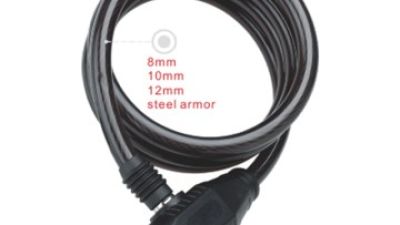
When it comes to choosing the right biCycle Lock, security and convenience are paramount. This guide highlights the essential features to consider when selecting a lock, with a focus on the Nurbo Keyed Spiral Steel Cable Lock. The lock is designed to offer robust security, utilizing a high-quality brass cylinder within a durable ABS case. Its PVC wire rope, with a thickness of 10 or 12 mm and a generous length of 1000 mm, allows for flexible usage while ensuring that your bike remains secure against theft.
One of the standout features of this lock is its self-coiling design, which makes it incredibly easy to use and carry. With the included mounting bracket, you can conveniently attach the lock to your bike frame, ensuring that it's always within reach. The braided steel construction provides excellent resistance to strong cutting attempts, making it a reliable choice for cyclists in various environments. Additionally, the weather and rust-resistant properties guarantee that this lock will withstand the elements, offering long-lasting protection for your bike.
In terms of aesthetics, the stylish and trendy design of the Nurbo Keyed Spiral Steel Cable Lock appeals to a wide range of cyclists. Its versatility means it can be used in various applications, from urban commuting to outdoor recreational biking. Easy to use, this lock combines functionality and security, making it an ideal choice for anyone looking to keep their bicycle safe without compromising on style.
FAQS
: It aims to enhance daily activity efficiency. Users often find new ways to integrate it.
Start with small, manageable tasks. Gradually increase complexity. Many users report positive changes this way.
Focus on consistency. Set realistic goals. Some users struggle initially but improve with time.
Users often feel overwhelmed by expectations. Patience is essential. Reflecting on progress helps in overcoming these feelings.
Daily use is recommended. However, everyone’s pace is different. Adjust based on personal comfort.
Yes, group settings can enhance motivation. Some users find shared experiences create accountability.
It’s normal to struggle at first. Seek assistance from experienced users. Reflect on what isn't working.
Establish a comfortable pattern. Regularity can boost effectiveness. Keep it simple to start, then evolve.
Use journals or apps to log activities. Visual feedback can motivate users. Reflect regularly on goals achieved.
Community insights can provide support and new ideas. Engaging with others encourages personal growth. Reflect on shared experiences for better understanding.
Conclusion
When it comes to cycling safety, selecting the right bike helmet and lock is crucial. First, consider various factors like material, ventilation, and weight when choosing a bike helmet. Understanding the different types of helmets and their features can help you make an informed decision. Ensuring a proper fit is essential, as a well-fitted helmet significantly enhances protection. Additionally, familiarize yourself with essential safety standards to guarantee that your helmet meets necessary regulations.
On the other hand, choosing the right bike lock involves assessing your security needs based on your environment. Different types of locks have their pros and cons; for instance, U-locks offer strong security but may be bulkier, while chain locks provide flexibility but can be easier to cut. No matter which bike helmet and lock you choose, following security tips for locking your bike in various environments will ensure both safety and peace of mind while cycling.