When it comes to locking up your bike, picking the right lock isn’t something you should take lightly. You really want to know your options—what’s out there and what works best for you. As security pro Mark Stevenson from LockSafe Solutions puts it, "A good Bike Lock isn’t just a gadget; it’s an essential part of protecting your freedom." Honestly, that’s so true for anyone who loves cycling—whether you're commuting, out for fun, or hitting the trails.
With bike thefts on the rise, making smart choices about your lock can make a big difference in keeping your bike safe. The market’s packed with all kinds of locks—U-locks, chain locks, you name it—and each has its own pros and cons when it comes to security and convenience. Getting to know what features matter most, and what limitations to watch out for, is key to picking the right lock for your situation.
It’s pretty clear that understanding the ins and outs of bike security is important for pretty much all riders. If you think it through, you’ll find a lock that fits your needs perfectly. Picking out the right lock isn’t just about stopping thieves; it’s also about giving you peace of mind every time you park your bike. In the next few sections, we’re going to dig into the top 10 tips for choosing the Best Bike Lock so that you’re ready to make a smart move in the world of bike security.
Understanding the Different Types of Bike Locks Available
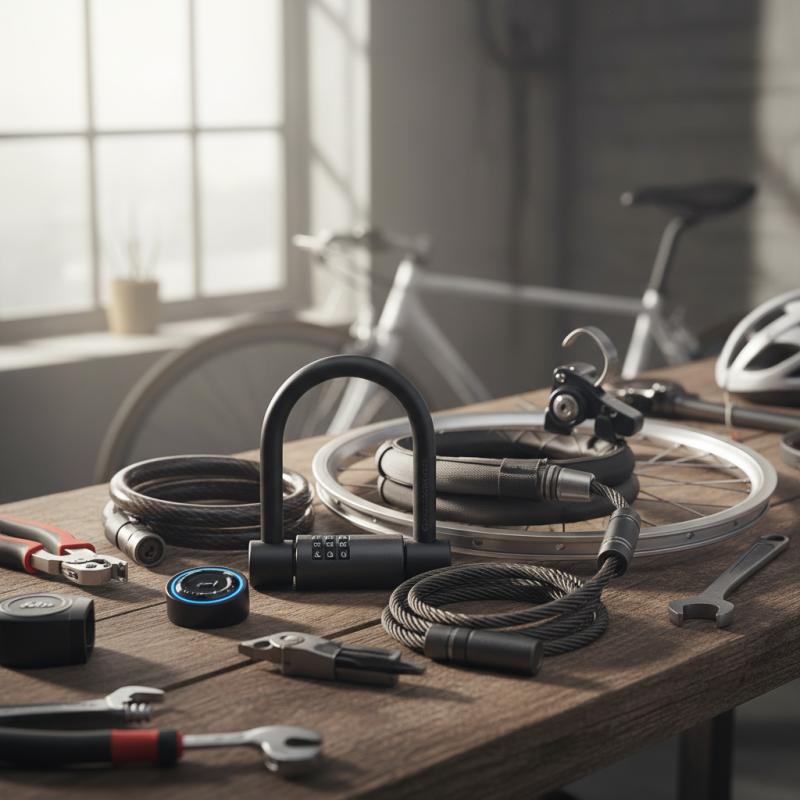
When it comes to protecting your bicycle, understanding the different types of bike locks available is crucial to making an informed decision. The main types are U-locks, chain locks, and cable locks. U-locks are known for their strong security features due to their rigid shape and durable materials, making them a popular choice among cyclists in urban areas. Chain locks, while heavier, provide flexibility in securing your bike to various objects, though they can sometimes be vulnerable to specific forms of attack. Cable locks, on the other hand, are lightweight and convenient for quick stops but offer the least security, making them better suited as secondary locks.
When selecting a bike lock, consider your specific needs. If you frequently park in high-crime areas, you may want to opt for a U-lock with a higher security rating. Think about the locking mechanism; double locking systems are generally more difficult for thieves to breach. Also, pay attention to the weight of the lock; while more substantial locks often provide better security, they can also be cumbersome to carry. Choose a lock that strikes the right balance between security and convenience based on your daily biking routine.
Top 10 Tips for Choosing the Best Bike Lock for Your Needs
| Lock Type | Security Rating | Portability | Price Range | Best For |
| U-Lock | High | Medium | $50 - $150 | Urban Areas |
| Chain Lock | Medium | Low | $30 - $100 | Heavy Duty Use |
| Folding Lock | Medium | High | $70 - $150 | Versatile Use |
| Cable Lock | Low | Very High | $10 - $40 | Quick Stops |
| Smart Lock | Medium | Medium | $100 - $300 | Tech-savvy Users |
| Disc Lock | Medium | High | $30 - $70 | Motorcycles |
| Portable Lock | Low | Very High | $15 - $50 | Bikers on the Go |
| Ring Lock | Medium | High | $30 - $70 | Integrated Solution |
| Two-Part Lock | High | Medium | $70 - $200 | Long-Term Security |
Assessing Your Security Needs Based on Your Bike and Location
When selecting the best bike lock for your needs, it is crucial to assess both your security requirements and the environment in which you will be parking your bike. According to a report by the National Insurance Crime Bureau, over 1.5 million bicycles are stolen in the United States each year, highlighting the importance of strong security measures. Factors such as the type of bike you have, its value, and the level of crime in your area should play a significant role in your decision. Urban areas with high theft rates typically require more robust locking solutions; for instance, a high-quality U-lock or a heavy-duty chain lock can significantly reduce the likelihood of theft compared to a basic cable lock.
Understanding the security landscape of your location can further refine your choice. Research from the Bicycle Security database indicates that bike thefts are most prevalent in specific metropolitan areas, with cities such as San Francisco and New York consistently ranking among the highest. Consequently, cyclists in these regions should prioritize locks that offer maximum security features such as hardened steel construction, complex keyways, or smart technology integration that alerts the owner when tampering is detected. Additionally, securing your bike in well-lit areas and using multiple locks can further deter thieves and protect your investment.
Top 10 Tips for Choosing the Best Bike Lock for Your Needs
This chart illustrates the security level of different types of bike locks on a scale of 1 to 10. When choosing a bike lock, consider your security needs based on your bike type and location risks.
Evaluating Lock Material and Durability for Long-Term Use
When selecting a bike lock, evaluating the material and durability is crucial for ensuring the safety of your bike over time. The most common materials found in bike locks include hardened steel, which offers significant resistance against cutting and prying attempts. When choosing a lock, look for one that boasts a high tensile strength and is designed to withstand various weather conditions. Locks made from rust-resistant materials will also prolong the lifespan of the lock, ensuring it continues to perform optimally regardless of exposure to the elements.
In addition to material, the design and manufacturing quality of the lock play a vital role in its durability. Locks that feature reinforced shackles or innovative locking mechanisms tend to have higher resistance to tampering or picking. It's also beneficial to consider the thickness of the lock; thicker locks generally provide better security, as they are more challenging to break. Investing in a lock that combines durable materials with robust construction will give you peace of mind and protect your investment in the long run.
Considering Lock Size and Weight for Portability
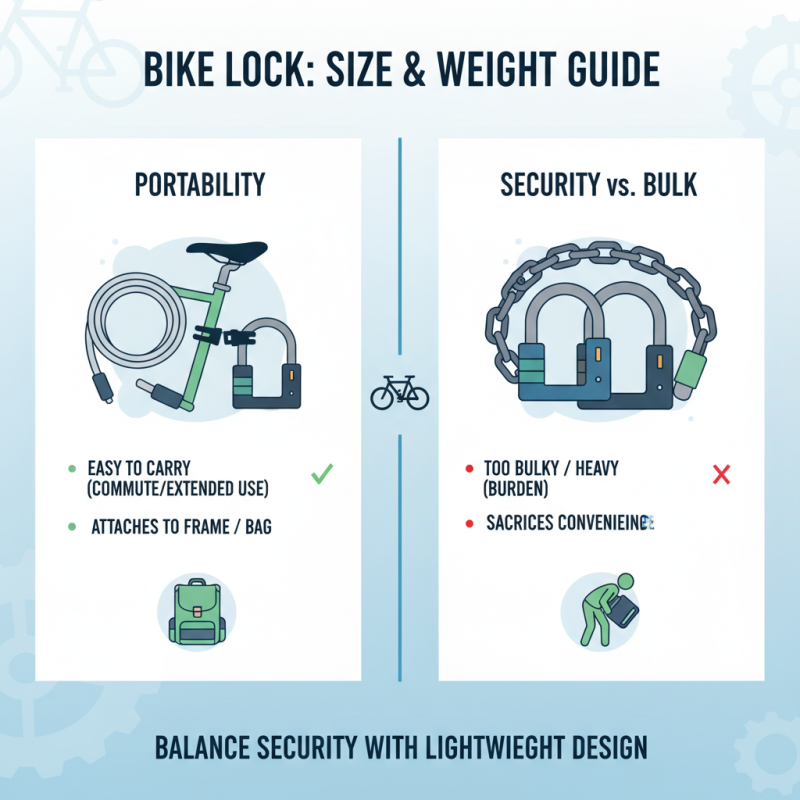
When selecting a bike lock, evaluating the size and weight is crucial for ensuring portability without sacrificing security. A lock that is too bulky or heavy can become a cumbersome burden, especially if you're commuting or planning to carry it for extended periods. Opt for a lock that balances security features with a lightweight design, making it easier to attach to your bike frame or carry in a bag.
One essential tip is to choose locks made from lightweight materials that still provide durability. Explore options such as compact U-locks or folding locks that offer excellent strength while being lightweight and easy to transport. Remember, a portable lock should seamlessly integrate into your biking routine, allowing you to enjoy your rides without the hassle of excess weight.
Additionally, consider the lock’s size in relation to your bike and your typical parking scenarios. A lock that’s too small may not provide adequate coverage for securing key areas, while one that's oversized might be unnecessarily heavy and cumbersome. Finding the right fit ensures you can protect your bike effectively while keeping your carrying experience hassle-free.
Recognizing the Importance of a Good Lock Mechanism
When choosing a bike lock, understanding the importance of a robust locking mechanism is crucial for ensuring the security of your bicycle. According to a report by the National Bicycle Dealers Association, over 1.5 million bicycles are stolen in the United States each year, underscoring the need for effective locking solutions. A good lock mechanism not only discourages potential thieves but also provides peace of mind for bike owners. The type of locking mechanism—be it a U-lock, chain lock, or folding lock—significantly influences the level of security. U-locks are particularly noted for their sturdiness, often graded using the Sold Secure scheme, which rates locks on a scale that reflects their resistance to various forms of attack.
In addition to the type of lock, the materials used in the locking mechanism play a pivotal role in its effectiveness. Locks constructed from hardened steel are more resistant to cutting and manipulation. According to a study conducted by the Bicycle Security Group, locks made from these materials can reduce the likelihood of theft by up to 50%. Furthermore, incorporating features such as double locking systems or anti-pick technology enhances security. As bike thefts continue to rise, investing in a high-quality lock with a reliable mechanism is essential for any cyclist looking to protect their vehicle.
Comparing Prices and Value for Effective Budgeting
When it comes to selecting the best bike lock, understanding the price spectrum and value proposition within your budget is essential. According to a survey by the National Bicycle Dealers Association, nearly 30% of bike owners have experienced theft, often linked to inadequate locking solutions. In light of this, investing in a quality lock is not just about the initial cost; it’s about ensuring your bicycle’s security over time. A good bike lock should ideally fall within a price range of $50 to $100, reinforcing the belief that higher-priced models often offer better materials and anti-theft features.
Additionally, exploring pricing options reveals a significant disparity in the market. Research from the Bicycle Security Market Report indicates that while cheaper locks may initially seem appealing, they typically compromise on security—making them more prone to wear and easy to break. On the other hand, durable locks with advanced locking mechanisms can securely deter theft, proving to be a wise investment. Ultimately, while budgeting, consider that a more expensive lock could save you money in the long run by protecting your bicycle and avoiding the costs associated with theft. Investing prudently allows cyclists to balance cost and security effectively, leading to greater peace of mind during rides.
Learning About Additional Anti-Theft Features and Accessories
When selecting a bike lock, it's essential to consider additional anti-theft features and accessories that can enhance your bike's security. High-quality locks may include features such as alarm systems or built-in GPS tracking. These innovative options can alert you immediately if your bike is tampered with, giving you an extra layer of protection against theft. Additionally, accessories like security cameras or bike covers can complement your lock, making your bicycle less attractive to potential thieves.
One crucial tip for choosing the best lock is to look for a model that combines both strength and size. A heavy-duty U-lock can withstand various cutting tools, while a compact cable lock might be easier to carry, but may offer less protection. To maximize security, consider using two different types of lockstogether. For example, pairing a U-Lock With A Chain lock can make it harder for thieves to make off with your bike, as each lock may require different tools to break.
Lastly, always assess the location where you park your bike. Installing a lock that’s too small for the area you need to secure can leave your bike vulnerable. Select a lock that can easily secure both the frame and the wheels to a sturdy object, ensuring that you minimize any potential points of compromise. Taking these additional factors into account will greatly enhance your overall bike security strategy.
FAQS
: Hardened steel is highly recommended due to its significant resistance to cutting and prying attempts.
Durability ensures the lock will maintain its protective qualities over time, safeguarding your bike from theft even under various weather conditions.
Thicker locks generally provide better security as they are more difficult to break.
Features like reinforced shackles and innovative locking mechanisms increase the lock's resistance to tampering or picking.
One should choose a lock that balances security with portability, avoiding bulky or heavy options that can be cumbersome to carry.
Compact U-locks or folding locks are great options as they offer excellent strength while remaining lightweight and easy to transport.
Locks made from rust-resistant materials prolong their lifespan, ensuring optimal performance despite exposure to the elements.
The lock's size should adequately cover the key areas of your bike without being too small or excessively large, ensuring effective protection and ease of transport.
Conclusion
When selecting the perfect bike lock, it's essential to understand the various types available, as the right choice significantly impacts your bike's security. Begin by assessing your specific security needs based on the type of bike you own and the location where you'll be parking it. Evaluate the materials and durability of the lock to ensure its longevity, while also considering its size and weight for ease of portability.
Additionally, pay attention to the lock's mechanism, as a robust locking system can deter theft. Budgeting is crucial, so compare prices to find a lock that offers the best value for the security features it provides. Lastly, explore any additional anti-theft features or accessories that might enhance your bike lock's effectiveness. By carefully considering these factors, you can confidently choose a bike lock that suits your needs and provides peace of mind.