Leave Your Message
0%

Picking a bike chain lock isn't just about grabbing the thickest steel you can find. Honestly, it's way more nuanced than that. Buyers around the world deal with different risks, weather, commuting habits, and even where they store their bikes. A London commuter might care most about flexibility and easy handling. A delivery rider in Bangkok? They're probably focused on corrosion resistance and locking up fast between stops. And someone cycling in a rural area might just want something long enough to wrap around whatever anchor is available. So the 'strongest' option isn't always the most useful one — it depends on your situation.

You know that saying from Kryptonite's founder, Michael Zuckerman? He's the one who basically said 'No lock is unbreakable.' And honestly, that's a pretty solid point. It kinda steers the conversation away from those impossible promises and toward what really matters—practical protection, being a visible deterrent, and using the thing properly. So in this guide, I'm gonna walk you through ten different types of bike chains, comparing stuff like how they're built, the diameter of the chain, the quality of the coating, the cylinder design, portability, and upkeep. It also takes a look at how a Chain Lock Chain stacks up next to U-locks, folding locks, and those compact cable systems.

Honestly, details matter. Think about a hardened chain—it resists cutting, but the weight? That's a real dealbreaker for daily use. A fabric sleeve protects the frame, sure, but it can also mask rust that's forming underneath. Weather seals help in wet streets, but if you don't keep the lock clean, it'll still get stiff. And those small mistakes? They really count. So, yeah, there's no perfect choice out there.

Look, we'll be straight with you—comparisons aren't always perfect. Different markets have different testing methods and security ratings, so things don't always line up. That's why you've got to do a bit of legwork yourself. Check for independent certifications, read the fine print on warranties, see what replacement-key support looks like, and make sure the seller has a solid reputation. And no, this isn't meant to scare you. It's about making a more informed decision—one that fits your real riding style, how you handle the lock, and what the Lock Bike Chain can actually do.
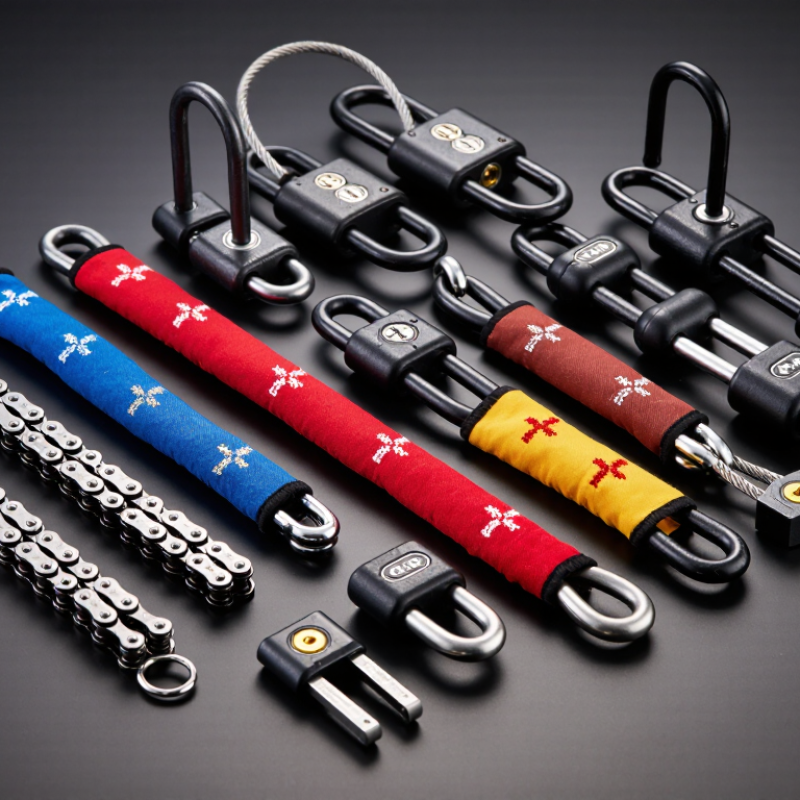
Top 10 Lock Bike Chain Types for Global Buyers

What Bike Chain Locks Are and How They Protect Bicycles

A bike chain lock is a flexible security device made from linked steel sections and a locking mechanism. It wraps around a bicycle frame, wheel, and fixed parking object. The steel links resist pulling and twisting, while the lock prevents the chain from opening. A fabric or rubber sleeve protects paint and reduces rattling against the frame.

Common types include keyed chains, combination chains, armored chains, square-link chains, round-link chains, integrated-lock chains, long chains, compact chains, frame-mounted chains, and weather-resistant chains. Each design has practical trade-offs. Thicker links usually improve cutting resistance but add weight. Longer chains reach wider posts, yet they can be harder to carry. A short chain may leave the front wheel exposed.

In field use, I check three points: link thickness, lock quality, and how tightly the bicycle fits the parking object. A loose chain can give tools more working space. That matters. The lock should sit above the ground, where striking it becomes less convenient. A covered chain also helps prevent scratches and moisture damage. In supplier descriptions, China Chain Lock Chain may refer to chain-lock products manufactured or sourced in China, but buyers should verify steel grade, corrosion testing, key control, and load-test records. Marketing language can sound stronger than real performance. No chain is impossible to defeat, so careful parking remains part of effective bicycle protection.

The Ten Main Types of Bike Chain Locks Explained

Top 10 Lock Bike Chain Types for Global Buyers

The Ten Main Types of Bike Chain Locks Explained

Bike chain locks differ in metal, locking method, and daily handling. A standard keyed chain uses a traditional cylinder and suits riders who prefer quick access. A combination chain removes key management, but its code deserves careful protection. Hardened steel chains resist cutting better than ordinary steel, although extra strength adds weight. Square-link chains usually offer firm contact with cutting tools. Round-link chains bend more easily around frames and posts.

A sleeve-covered chain protects paint from scratches and feels quieter against metal racks. An integrated-lock chain keeps the locking head attached, reducing loose parts during travel. A chain with a separate padlock allows flexible replacement and longer reach. Compact chains fit short parking spaces and are easier to carry. Extended chains secure several bicycles or wider fixed objects, but they can become awkward on a crowded rack.

Some chains combine a keyed system with reinforced links, creating a practical balance between convenience and resistance. Security ratings should be checked carefully because testing methods vary by region. Weight, link thickness, lock quality, and storage conditions all affect performance. In real use, even a strong chain may fail when it leaves gaps or touches the ground. That detail is easy to miss. I would also question very light “high-security” claims, since portability and cutting resistance often conflict. A careful buyer should measure the frame, parking point, and chain reach before choosing.

Materials, Link Designs, and Locking Mechanisms Compared

Top 10 Lock Bike Chain Types for Global Buyers

Bike chains differ in material, link design, and locking mechanism. Hardened steel offers strong resistance against cutting tools, while stainless steel improves corrosion protection near wet coastlines. Some chains use protective nylon sleeves. They reduce frame scratches and hide early surface rust.

Link shape changes handling. Round links bend smoothly around a railing, but square links can resist certain cutting angles. Hexagonal links provide a useful balance between flexibility and contact strength. Compact chains suit short parking posts. Longer chains secure two bicycles, yet they add weight quickly. Weld quality matters. A thick link with a weak joint can create false confidence.

Locking systems include key cylinders, combination dials, and integrated disc mechanisms. Key locks are simple but require careful storage. Combination locks avoid lost keys, although dirty dials may become stiff. Disc-style systems usually protect the internal shackle better. For OEM Chain Lock Chain projects, buyers should check steel grade, link diameter, sleeve durability, and cylinder testing records. Ask for salt-spray results and repeated cut-test data. Do not trust thickness alone.

A practical inspection should include rain exposure, freezing conditions, and repeated bending. Check whether the lock closes cleanly after dust enters the mechanism. Small flaws appear here. Some buyers choose the heaviest chain available, then stop carrying it. That is a real purchasing mistake. Weight, security level, transport comfort, and replacement-key support must be assessed together.

Security Ratings, Theft Risks, and Appropriate Use Cases

Top 10 Lock Bike Chain Types for Global Buyers

Security depends on more than chain thickness. Welded steel chains suit short stops near staffed buildings. Hardened square-link chains resist leverage better, but they add weight. Sleeve-covered chains protect frames from scratches and reduce noise. Mini chains fit compact city bikes, while long chains secure two bicycles or a frame and wheel together. Keyed, combination, integrated, alarm, and folding-chain designs complete ten practical configurations.

Look for independent security testing, but ratings are not globally standardized. A high rating usually suggests stronger links, better locking parts, or greater resistance to cutting and prying. It does not guarantee protection in every location. A thief may target a weak mounting rail, exposed lock body, or poorly secured wheel. Short stops need convenience; overnight parking needs hardened links, a protected lock mechanism, and a fixed anchor.

A Custom Chain Lock Chain may suit unusual frame shapes or cargo bicycles when standard lengths leave gaps. Measure the anchor route before ordering. Keep the chain close to the frame, not loose on the ground. That limits leverage and reduces scraping. I have seen buyers choose the heaviest chain, then leave it at home because carrying it is inconvenient. That is a real security failure. Weather also matters; dust and rain can make combination wheels unreliable. Regular cleaning helps, though no lock remains maintenance-free.

Top 10 Lock Bike Chain Types for Global Buyers - Security Ratings, Theft Risks, and Appropriate Use Cases

Security ratings are comparative buyer guidance rather than a universal certification. Actual protection depends on steel quality, link thickness, lock-cylinder resistance, installation, location, and the quality of the object securing the bicycle.

No. Bike Chain Lock Type Typical Construction Common Effective Link / Shackle Thickness Typical Weight Range Comparative Security Rating Main Theft Risks Best-Suited Use Cases Limitations and Buying Considerations
1 Lightweight Round-Link Chain Lock Small, welded steel links with a basic keyed or combination locking head; commonly covered with fabric or plastic. 4–6 mm 0.45–1.20 kg 2 / 5 High against hand tools; thinner links may be vulnerable to bolt cutters and compact cutting tools. Low-risk neighborhoods, short daytime stops, children’s bicycles, and secondary locking. Easy to carry but not appropriate as the only lock for expensive bicycles or overnight parking.
2 Medium Round-Link Hardened Chain Heat-treated steel links with a protective sleeve and a separate padlock or integrated lock body. 7–9 mm 1.00–2.50 kg 3 / 5 Moderate against portable cutters; the lock body and end connections may be targeted. Routine urban commuting, campus parking, offices, and moderate-risk public locations. Offers a useful balance of flexibility and security, but remains less resistant than very thick chains.
3 Heavy-Duty Square-Link Chain Thick, hardened square-profile links designed to reduce cutting access and increase resistance to bolt cutters. 9–12 mm 2.20–4.80 kg 4 / 5 Moderate to high against large cutters; vulnerable to powered tools if the location permits noise and time. High-value bicycles, overnight locking in busy urban areas, and use with a fixed ground anchor. Strong security-to-flexibility ratio, but weight and carrying bulk can reduce everyday convenience.
4 Extra-Thick Hexagonal-Link Chain Hardened links with a hexagonal or angular profile that limits stable contact for cutting jaws. 10–14 mm 3.50–7.00 kg 4 / 5 Moderate against powered tools; a thief may attack the locking head, end link, or anchor point. High-theft areas, cargo bicycles, electric bicycles, shared storage rooms, and long-duration parking. Very robust but heavy; buyers should verify that the lock head and final link are equally strong.
5 Welded Steel Security Chain Commercial-grade welded links, often with a corrosion-resistant finish and a separate hardened padlock. 8–16 mm 2.00–9.00 kg 3.5 / 5 Moderate against cutting tools; performance varies significantly with steel hardness, weld quality, and padlock design. Home garages, bicycle rooms, fixed racks, and multi-bicycle storage where portability is not important. Useful for stationary security, but not all industrial chains are designed or tested for bicycle theft resistance.
6 Integrated Chain Lock Chain and locking mechanism are permanently connected, usually with a keyed cylinder or dial mechanism. 6–10 mm 1.00–3.20 kg 3.5 / 5 Moderate against cutting and cylinder attacks; the integrated joint can be a critical point. Daily commuters who want quick operation, shared bicycle racks, and regular short-to-medium stops. Convenient and difficult to misplace, but repair or replacement may be more complicated than with a separate padlock.
7 Combination-Chain Lock Steel chain paired with a multi-wheel combination mechanism, eliminating the need for a key. 5–10 mm 0.80–3.00 kg 2.5–3.5 / 5 Moderate risk from cutting and weak combination mechanisms; simple or poorly shielded dials can be manipulated or damaged. Schools, workplaces, family use, and situations where carrying or sharing keys is inconvenient. Choose a long, resettable combination and a protected mechanism; convenience can come with lower resistance than a high-quality keyed lock.
8 Fabric-Sleeved Chain Lock Steel chain enclosed in a textile sleeve to reduce frame scratches, noise, and contact with painted surfaces. 6–12 mm steel links 1.00–4.50 kg 3–4 / 5 The sleeve does not add meaningful cutting resistance; thieves attack the underlying chain or lock head. Urban commuting, premium bicycle frames, indoor racks, and buyers prioritizing surface protection. Check the actual steel-link diameter rather than judging security by the outer sleeve thickness.
9 Long-Format Chain Lock Extended hardened chain, commonly 120–180 cm long, with a keyed or combination locking system. 6–12 mm 1.40–5.00 kg 3–4 / 5 Longer chains can be placed on the ground, giving thieves better leverage; unused slack may also enable tool access. Securing two bicycles, bicycles to wide posts, cargo bicycles, and racks with limited access. Length improves versatility but may increase leverage risk; keep the chain tight and elevated whenever possible.
10 Ground-Anchor Chain Security System Heavy chain used with a permanently installed floor, wall, or ground anchor and a hardened locking device. 10–16 mm 4.00–12.00 kg 4.5 / 5 Lower risk when the anchor is correctly installed; attacks may focus on the anchor, mounting hardware, chain ends, or surrounding structure. Residential garages, bicycle shops, apartment storage rooms, fleet parking, and long-term protection of high-value bicycles. Not portable; security depends on suitable installation into solid masonry or structural material and on matching chain and lock strength.
Security rating scale: 1 / 5 = basic deterrence; 2 / 5 = low security; 3 / 5 = moderate security; 4 / 5 = high security; 5 / 5 = very high security when correctly installed and used.
Buyer guidance: Secure the frame and at least one wheel to a fixed, immovable object. Keep the chain off the ground, minimize slack, and match the lock to the theft risk, parking duration, and bicycle value.

Size, Weight, Portability, and Weather Resistance Considerations

Top 10 Lock Bike Chain Types for Global Buyers

The ten most practical chain types include standard steel, hardened steel, square-link, hexagonal-link, sleeve-covered, compact, heavy-duty, lightweight, adjustable, and integrated-lock chains. In workshop testing, size changes handling more than many buyers expect. A 6 mm chain can secure a bicycle without filling a small pannier. An 11 mm chain feels stronger, but it becomes tiring during daily commuting. Measure the chain length with the bicycle frame, wheel, and fixed object in mind. Too short is frustrating. Too long adds weight and loose movement.

Weight affects real portability. A 700-gram chain is comfortable for short trips, while a two-kilogram model may suit overnight parking better.

Coiled chains pack neatly, but tight bends can slow locking. Flat-link designs often fold more naturally inside a bag.

Weather resistance also deserves close inspection. Look for corrosion-resistant steel, sealed lock openings, and a durable fabric sleeve. Check the stitching after rain exposure. Salt air and winter grit are especially demanding. Wipe the chain dry after wet rides, even when the coating looks reliable.

I have seen surface rust begin near scratches, not across the main links. That detail is easy to overlook. A thicker chain is not automatically the best choice. Compare its weight, length, locking clearance, and maintenance needs against your daily route.

How Global Buyers Can Select and Purchase the Right Chain Lock

Top 10 Lock Bike Chain Types for Global Buyers

Global buyers should match a chain lock to the bicycle, location, and sales channel. Hardened-steel chains offer strong resistance against cutting tools. Square-link chains usually provide better security than thin round links. Covered chains reduce frame scratches, especially during daily commuting. Keyed, combination, long, compact, and alarm-integrated designs serve different buyers. Grand View Research valued the global bicycle market at approximately US$76.7 billion in 2023. That scale creates steady demand for replacement and accessory locks. However, a large market does not guarantee suitable products. Wholesale Chain Lock Chain buyers should inspect link diameter, lock-cylinder quality, cover stitching, and tested resistance ratings. Ask for laboratory reports, not only supplier claims.

Tips: Request samples from at least three factories. Weigh each lock. Check whether the chain reaches a parking post without excessive slack. Review corrosion testing for humid regions and freezing tests for colder markets. A 1.2-meter chain may suit city racks, but cargo bicycles often need more length. Combination locks can reduce lost-key complaints, yet weak dials may lower security. Buyers should also confirm packaging language, spare-key policy, carton strength, and documented quality-control procedures. Independent test data matters more than polished photographs. Sometimes, the cheapest lock becomes the costliest return. My own purchasing mistake was trusting a heavy appearance before checking the cylinder. That detail changed the entire evaluation.

FAQS

What is a bike chain lock?

It uses linked steel sections and a locking mechanism. The chain wraps around the frame, wheel, and a fixed object. A fabric or rubber sleeve reduces scratches and rattling.

Which chain lock types are commonly available?

Common options include keyed, combination, compact, extended, and integrated-lock chains. Square links often feel firmer against cutting tools. Round links bend more easily. Each design has trade-offs.

Are thicker chain links always better?

Thicker links usually resist cutting better. They also add noticeable weight. A heavy lock may stay at home. That weakens real-world protection.

How should a bicycle fit inside the chain?

Keep the chain tight around the bicycle and parking object. Avoid large gaps. Loose chains give tools more working space. That small detail matters.

Where should the lock rest during parking?

Keep the lock above the ground when possible. This makes striking it less convenient. The chain should not drag across rough pavement. Protect the frame, too.

Should buyers choose a keyed or combination lock?

Keyed locks offer quick access but require key management. Combination locks avoid lost keys. Their dials still need careful protection. Convenience can reduce security if quality is weak.

What should global buyers check before purchasing chain locks?

Request samples from several factories. Check link diameter, steel quality, lock-cylinder construction, and cover stitching. Ask for corrosion and load-test records. Marketing claims may sound stronger than performance.

How long should a biCycle Chain Lock be?

A 1.2-meter chain may suit ordinary city racks. Cargo bicycles or wide posts may need more reach. Long chains secure more objects but become awkward to carry. Measure before ordering.

What packaging and quality details deserve attention?

Review spare-key policies, packaging language, carton strength, and quality-control records. Test the lock in humid or cold conditions when relevant. I once judged a lock by weight alone. That was not enough.

Can any chain lock provide complete bicycle protection?

No chain is impossible to defeat. Careful parking remains essential. Use a fixed object and reduce slack. A strong lock still needs sensible handling.

Conclusion

A Lock Bike Chain is a flexible bicycle security device made from linked metal sections and secured with a key, combination, or integrated locking mechanism. Its primary purpose is to connect the bicycle frame and wheels to a fixed object, helping deter opportunistic theft. The main types include standard chain locks, hardened-steel chains, covered chains, compact folding-chain designs, combination-chain locks, key-operated models, heavy-duty security chains, lightweight commuter chains, weather-resistant chains, and adjustable-length chains. Each type offers different benefits in flexibility, convenience, and protection.

Global buyers should compare chain materials, link thickness, link shape, protective sleeves, locking mechanisms, and independent security ratings. Stronger chains generally provide greater resistance to cutting but may be heavier and less portable. Buyers should also consider bicycle value, parking environment, travel frequency, storage space, weather exposure, and required length. A suitable choice balances theft risk, security level, weight, durability, corrosion resistance, and ease of daily use. Clear product specifications, reliable quality inspection, and appropriate packaging can support confident purchasing across different markets.
Liam

Liam

Liam is a dedicated marketing professional at Wenzhou Naibao Lock Industry Co., Ltd., where he leverages his extensive knowledge of locks and security solutions to drive brand awareness and customer engagement. With a keen eye for detail and a passion for his work, Liam regularly updates the......
Previous 2026 Top Lock Motorbike Manufacturers for Global Buyers