Picking out the right Bike Cycle Lock is actually pretty important if you're into cycling. Honestly, with bike thefts seeming to increase these days, making sure your ride’s secured is more crucial than ever. Every lock has its own perks and weaknesses—some are super sturdy and heavy-duty, while others are lightweight and easy to carry around. Finding that perfect balance? That’s really the key.
Lots of brands like Kryptonite and Abus have come up with some pretty clever locking mechanisms. But here’s the thing: not all locks are created equal. Some might catch your eye because they look cool or seem strong, but when it comes down to real-world stuff, they might not hold up. A really solid Bike Cycle Lock can resist various cutting tools, but honestly, you usually get what you pay for. Cheaper options might save you a few bucks upfront, but they could end up costing you a lot more if your bike gets stolen.
So, yeah, investing in a good lock is definitely worth it. Unfortunately, a lot of cyclists might overlook this part, thinking it’s not that big of a deal. But trust me, a cheap lock might seem like a good deal — until it isn’t. The right lock isn’t just about security; it’s about peace of mind. In the long run, it’s totally worth it to pick a reliable one—you’ll thank yourself later.
Overview of Bicycle Security Concerns
Bicycles are one of the most common modes of transport. However, they are also frequent targets for theft. Many cities report a high number of bicycle thefts annually. This raises significant concerns for cyclists. They invest time and money into their bikes, only to worry about safety.
Locking techniques matter a great deal. Many riders still rely on single locks. This method often fails to deter thieves. An increasing number of cyclists opt for more than one lock. It's a simple strategy, yet not all follow it. Some still take risks, believing their bike is safe. Awareness of local theft statistics can guide better choices.
The environment where one parks is vital too. Well-lit, crowded areas often provide security. But not all riders pay attention to their surroundings. A quick glance may not suffice. Creating habits around safer choices can be beneficial. Keeping a spare key in a secure place might help too. These small changes matter in the long run.
Factors to Consider When Choosing a Bike Lock
When choosing a Bike Lock, several factors come into play. Security is the first priority. A stronger material means better protection against thieves. Look for hardened steel, which is difficult to cut. The design also affects security. U-locks and chain locks often provide superior protection. They make it harder for thieves to access your bike.
Consider the lock’s weight and portability. Some locks are so heavy that carrying them becomes a chore. A balance between weight and security is essential. Additionally, think about the locking mechanism. Key locks can be less convenient than combination locks. However, combination locks can fail if you forget the code.
Another aspect to ponder is cost. Cheap locks can offer a false sense of security. Sometimes, spending a little more saves you from losing your bike. Each factor presents a dilemma. Striking the right balance requires thought. Assessing your environment also matters. Certain areas may require more robust solutions than others. Each choice reflects not just a purchase but a commitment to safeguarding your ride.
Types of Bike Locks: Pros and Cons
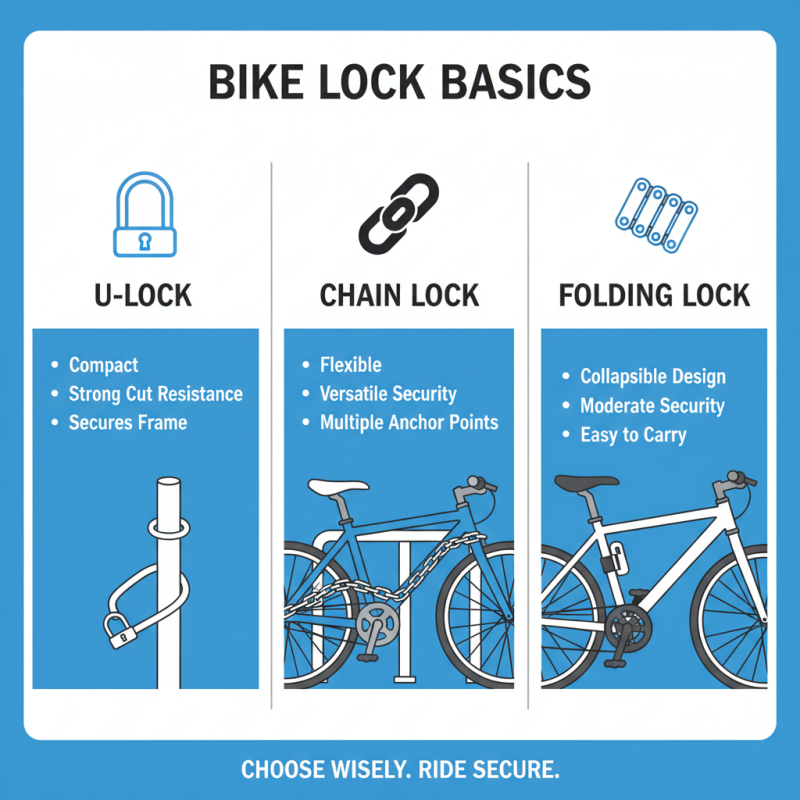
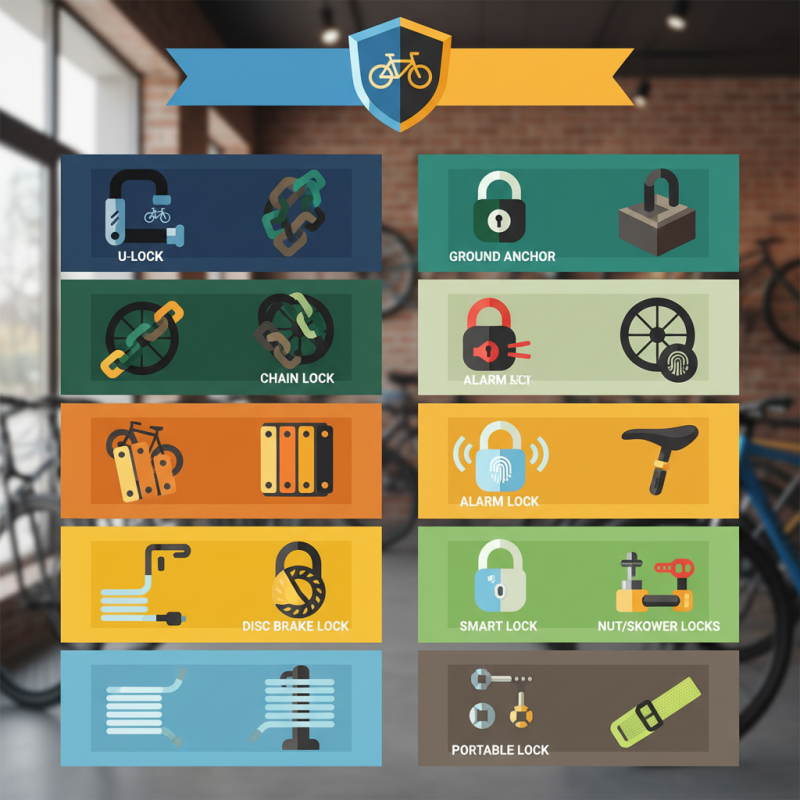
When choosing a bike lock, understanding types is key. There are several options to consider: U-locks, chain locks, and folding locks. U-locks are compact and resistant to cutting. They provide a solid security solution for urban cyclists. However, their rigidity can make securing more than just the frame challenging.
Chain locks offer flexibility. They can wrap around various objects, securing your bike effectively. Many are heavy, though. This may not suit everyone. Weigh the security benefits against the inconvenience of carrying extra weight.
Folding locks are portable and versatile. They offer a blend of flexibility and strength. While generally lighter, they may not provide the same level of security as U-locks in certain scenarios. It’s important to reflect on your protection needs and riding habits.
Tips: Always lock your bike in well-lit areas. Avoid leaving it unattended for long periods. Use more than one lock for added security. Each type of Cycle Bike Lock has its strengths and weaknesses. Make sure to choose one that aligns with your specific needs.
Top Features of High-Security Bike Locks
When it comes to securing your bike, the right lock plays a crucial role. Studies show that over 1.5 million bicycles are stolen annually in the U.S. alone. High-security bike locks can deter thieves effectively. A robust lock can lower your risk of theft by over 70%.
Top features to consider include material strength, locking mechanism, and portability. Locks made of hardened steel are highly resistant to cutting. A double-locking mechanism adds an extra layer of protection. Some locks even offer alarm systems, which can scare off potential thieves. Additionally, portability ensures that you will actually take it along. Many cyclists opt for lightweight options that still provide maximum security.
However, not all locks are perfect. Some may be heavy and cumbersome, making them less convenient to carry. A balance between weight and security is essential. A lock that is easy to carry can sometimes compromise in strength. Buyers should also stay updated on local crime rates. The best lock today might not remain effective tomorrow, particularly in urban areas, like in many cities in China. Always reassess the situation and choose wisely.
Detailed Reviews of the Top 10 Bike Cycle Locks
When it comes to securing your bike, investing in a high-quality lock is essential. According to a report by the National Bike Registry, nearly 1.5 million bicycles are stolen each year in the United States alone. This alarming figure highlights the need for effective security measures. Numerous options exist, and finding the right one can be overwhelming.
In detailed reviews, features like material strength, lock design, and ease of use are critical. Many locks fail not due to poor quality but because users often overlook simple details. A complicated locking mechanism may deter some, but it can frustrate the owner. Remember, the best lock is one you will actually use consistently.
Tips: Always check the weight of the lock. A heavier lock often offers better security. Evaluate your parking environment too. If you live in a high-theft area, opt for an OEM Bike Cycle Lock. Remember, no lock is entirely foolproof. A determined thief may still succeed, which can be discouraging. Regularly inspect your lock for wear and tear to ensure it remains effective.
Maintenance Tips for Extending the Life of Your Bike Lock
When protecting your bike, maintaining your lock is essential. A well-cared lock can last significantly longer, maintaining its security features. Research from industry reports shows that nearly 35% of bike thefts are due to poor lock maintenance. Dust, grime, and moisture can degrade lock performance over time. Regular cleaning is more crucial than most realize.
To extend the life of your bike lock, consider occasional lubrication. Using a graphite or silicone lubricant can prevent rust and ensure smoother operation. Even if you might forget at times, neglecting this simple step can lead to future frustrations. Additionally, store your lock in a dry environment. Moisture can lead to corrosion, especially in locks that are not weatherproof.
Monitoring for damage is vital too. Inspect your lock regularly for any signs of wear or function loss. Many users often overlook minor issues until it’s too late. It’s also important to remember that over-tightening the lock can lead to unnecessary stress. Engaging with your lock responsibly can avoid premature failures.
Best Practices for Securing Your Bicycle in Various Locations
When securing your bicycle, the location matters. Busy urban areas require different strategies than quiet neighborhoods. Always choose a well-lit spot with plenty of foot traffic. It can deter potential thieves. Lock your bike to a sturdy, immovable object. This could be a bike rack or a heavy fence. Using a Custom Bike Cycle Lock offers additional security, but not all locks are created equal.
Remember to lock both the frame and the wheels. Thieves often take advantage of poorly secured bikes. If you're in a café or shopping, keep your bike in sight. Visibility can be your best protection. Regularly inspect your lock for wear and tear. An old lock may not provide the security you need. Be mindful of locking mechanisms. Some designs may look strong but can be vulnerable to specific tools.
Consider seasonal changes too. In colder months, you might leave your bike outside longer. Ensure that your lock is weather-resistant. Leaving your bike unattended for long periods is risky. Reflect regularly on your locking habits. Subtle changes can make a big difference in preventing theft. Ultimately, being vigilant is key to keeping your bike safe.
The Rising Need for Motorcycle Security: Insights and Data-Driven Solutions for Protecting Your Ride with Nurbo's Helmet Lock and Padlock
As motorcycle theft continues to rise, the pressing need for effective security solutions becomes apparent. Riders are increasingly seeking methods to protect their investments, underscoring the importance of robust locking mechanisms. One way to enhance motorcycle security is through the use of high-quality padlocks and cable locks designed specifically for this purpose. Such locks not only provide a strong deterrent against theft but also offer the flexibility needed for everyday use.
A notable option is a multipurpose padlock paired with a sturdy cable. Made from durable zinc alloy, this lock features a weather-resistant design, ensuring it withstands harsh outdoor environments. With a removable format and a customizable 3-digit resettable code, users can choose from 1,000 possible combinations, making unauthorized access significantly tougher. The bright anti-theft wire cable adds another layer of security, allowing it to secure various items and offering peace of mind to motorcycle owners. This kind of solution is indispensable for riders looking to protect their motorcycles effectively and ensures that they can enjoy their rides without the constant worry of theft.
FAQS
: The device helps improve daily productivity. It keeps track of tasks and schedules.
Follow the on-screen instructions. Connect to Wi-Fi and create an account.
Limited features are available offline. However, syncing requires internet access.
Yes, a digital manual can be downloaded. It covers setup and troubleshooting.
Try restarting the device first. If issues persist, check the troubleshooting guide.
Yes, it allows team members to share tasks. Collaboration features vary based on settings.
Regular updates improve functionality. Ignoring updates may cause issues or reduce performance.
Support can be reached through the app. There’s an option for live chat or email.
The device employs encryption for data protection. However, no system is completely immune to risks.
Use the password recovery option on the login screen. Follow the instructions to reset it.
Conclusion
In today’s world, securing your bicycle is more critical than ever due to rising theft concerns. A well-chosen Bike Cycle Lock can significantly enhance your bike's safety. Factors to consider when selecting a lock include durability, security level, and ease of use. Understanding the various types of locks, such as U-locks, chain locks, and folding locks, helps cyclists weigh their pros and cons to make informed choices.
High-security bike locks often feature advanced components like hardened steel and pick-resistant cylinders. The article reviews the top 10 bike cycle locks on the market, highlighting their unique features and overall effectiveness. Additionally, it offers maintenance tips to prolong the life of your lock and best practices for securing your bicycle in different environments, ensuring that your bike remains safe regardless of where you park it.