When you think about protecting your beloved bike, knowledge really is power, right? As someone who loves cycling, I gotta say, there's nothing more frustrating than finding out your bike's been stolen. James Henderson, who’s an expert in bike security over at SecureCycle, puts it nicely—he says, “A good lock isn’t just about keeping thieves away; it’s about giving cyclists peace of mind while they're out riding.” With so many bikes getting snatched up in the city these days, knowing how to lock up properly can genuinely make all the difference.
In this article, I’ll go over the top 10 tips that every cyclist should know to keep their bike safe and sound. From picking the right lock to the best places to lock up, I’ll share what you need to know to protect your ride. And honestly, thinking of a solid Bike Lock like having your own personal security guard—it really helps lower the chances of theft and makes your cycling experience way better.
Choosing the Right Bike Lock: Types and Features to Consider
When selecting a bike lock, it's essential to consider various types and features that enhance security. According to a report by the National Bike Registry, nearly 1.5 million bicycles are stolen each year in the United States, emphasizing the necessity of a robust locking mechanism. The most common types of bike locks include U-locks, chain locks, and folding locks, each offering distinct advantages. U-locks are often praised for their high resistance to cutting, while chain locks provide flexibility in securing multiple points of the bike to a fixed object. Folding locks strike a balance between portability and security, making them a practical choice for urban cyclists.
When deciding on the right lock, look for features such as locking mechanisms. For example, locks with disc-shaped cylinders provide additional protection against picking. It's also wise to consider the material of the lock; hardened steel is generally the most reliable choice due to its strength and durability. Tip: Ensure your lock has a high-security rating, ideally a Gold standard rating from an established thief prevention organization, which can be a good indicator of its effectiveness.
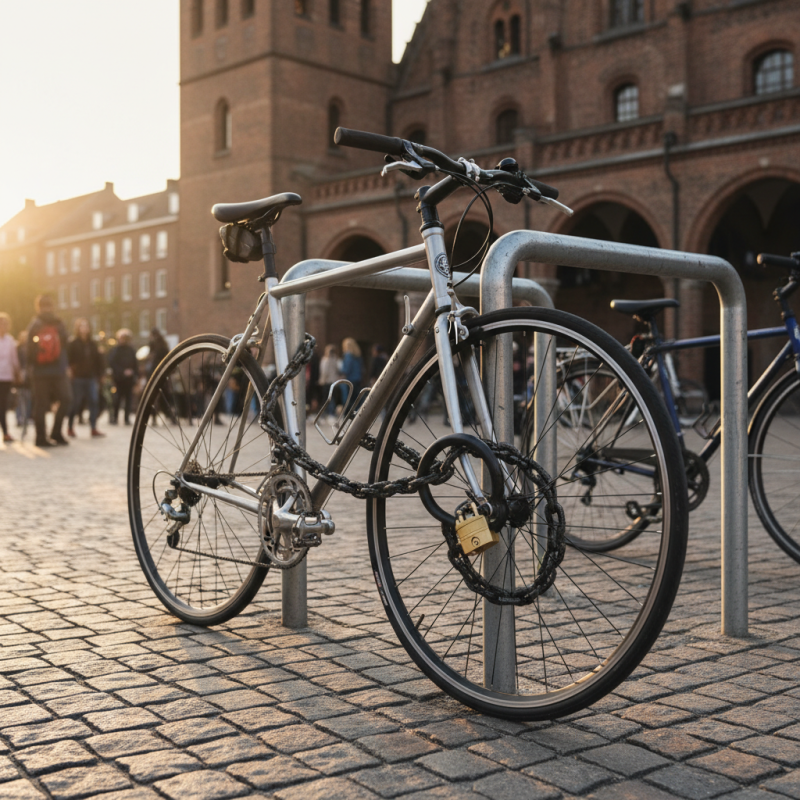
Lastly, ensure you are familiar with optimal locking techniques. Always lock your bike in a well-lit area and secure it to an immovable object. A common tip is to lock both the frame and the wheels whenever possible, as this adds extra layers of security. The choice of lock, combined with proper locking methods, can significantly decrease the chances of bike theft, making your cycling experience more secure.
Understanding Lock Ratings: How to Assess Security Levels
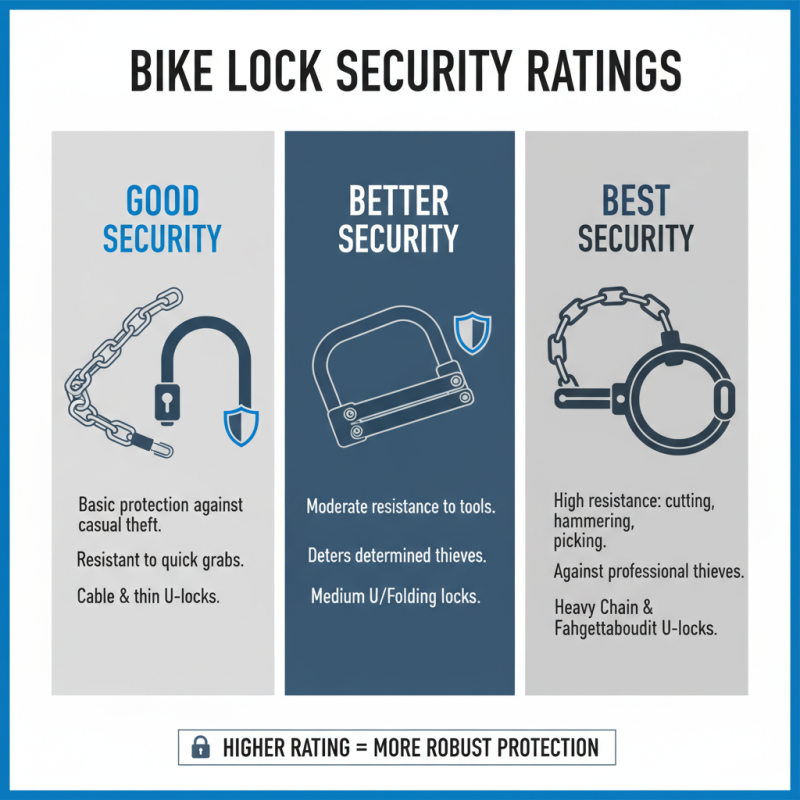
When it comes to securing your bike, understanding lock ratings is crucial for assessing the security levels of different bike locks. Locks are typically rated based on their resistance to various forms of tampering, with different materials and designs providing various benefits. The security level often reflects the lock's ability to withstand forces such as cutting, hammering, or picking, which are common methods used by thieves. A higher rating generally indicates a more robust lock that can better protect your bike against potential threats.
When selecting a lock, be sure to check the certifications or ratings provided by independent testing organizations. These ratings often categorize locks into different security levels, ranging from low (suitable for quick stops in low-risk areas) to high (ideal for extended parking in urban environments). It’s essential to choose a lock that fits your needs while understanding that a higher security rating typically means a heavier and bulkier lock. Consider your bike's value and the locations where you plan to park it, as these factors will guide you in selecting a lock that balances portability with protection.
Key Locking Techniques: Maximizing Your Lock's Effectiveness
When it comes to keeping your bike safe, understanding key locking techniques is essential for maximizing your lock's effectiveness. According to the National Bike Registry, approximately 1.5 million bikes are stolen each year in the U.S. alone, which underscores the necessity of employing robust locking methods.
One effective technique is to avoid the "quick-release" design that many bikes feature; instead, opt for locking your frame and both wheels using a U-lock. This approach not only deters casual thieves but also makes it significantly more challenging for more determined criminals.
Additionally, the placement of your lock plays a critical role in its effectiveness. Security experts from the Bike Theft Prevention Program recommend securing your bike in a well-lit, busy area where it can be easily seen. Thieves are less likely to target bikes that are visible and in high foot traffic locations. Furthermore, making sure to lock different components of your bike together can drastically reduce the chance of theft.
A study conducted by the University of California showed that bikes locked with more than one type of lock are 70% less likely to be stolen than those that are secured with a single lock. By implementing strategic locking techniques, cyclists can enhance their bike’s security and enjoy peace of mind.
Ideal Locking Locations: Where and How to Secure Your Bike
Choosing ideal locking locations can significantly enhance the security of your bike. According to the National Bike Registry, about 1.5 million bicycles are stolen in the U.S. each year, with most thefts occurring in urban areas where bike racks are less secure. Thus, selecting a well-lit and busy area for parking your bike is crucial. Look for locations that are monitored by surveillance cameras or near shops and cafes, as these areas tend to deter thieves due to the presence of potential witnesses.
When securing your bike, ensure it’s locked to a solid object like a bike rack or a sturdy pole. A report from the Bureau of Justice Statistics indicates that bikes locked to fixed, well-designed structures have a 50% lower chance of theft compared to those locked loosely or to less secure items. Also, try to lock both the frame and the wheels to the object, as this will make it more challenging for thieves to quickly detach parts of your bike. Always double-check the locking mechanism and consider using two different types of locks, as this can further complicate attempts by thieves, making your bike less appealing as a target.
Best Practices for Locking Up: Step-by-Step Locking Procedures
When it comes to safeguarding your bike, following established locking procedures can significantly reduce the risk of theft. A recent study by the Bureau of Crime Statistics reported that nearly 50% of stolen bikes were left unsecured or inadequately locked. To effectively secure your bike, start by selecting a well-lit and busy area for parking. Potential thieves often avoid locations where they might draw attention, so visibility is key.
Once you've found the right spot, make sure to lock your bike frame and both wheels to a sturdy, immovable object. Use a high-quality lock; according to a survey by the National Bicycle Dealers Association, U-locks are often considered the most effective type of biCycle Lock. Ensure the lock minimizes the space between the bike and the object it’s secured to, making it harder for tools to fit in and loosen the lock. Additionally, engage in a routine check before leaving your bike unattended, noting any signs of tampering or suspicious activity in the vicinity. Adhering to these best practices can dramatically increase the safety of your bike and provide peace of mind while you’re on the go.
Regular Maintenance: Keeping Your Bike Lock in Optimal Condition
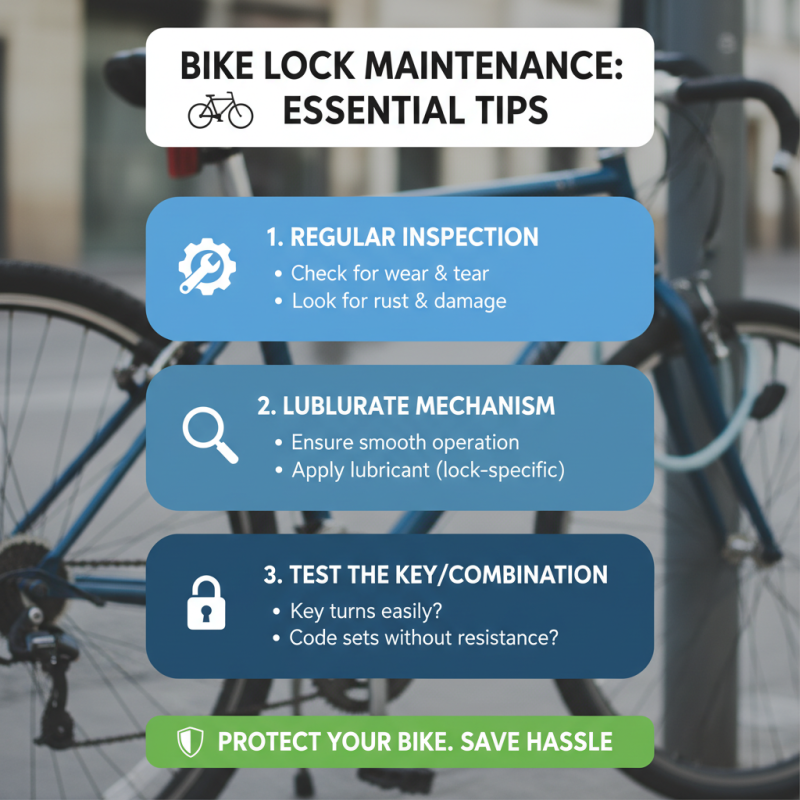
Maintaining your bike lock is essential for ensuring its effectiveness and longevity. Regular inspections can help identify wear and tear before it compromises your bike's security. Check for rust or damage on the lock body and the mechanism to ensure it operates smoothly. If your lock has a key, ensure that it turns easily without resistance. A well-maintained lock not only protects your bike but also saves you from the hassle of getting a new one or dealing with theft.
Additionally, lubrication is crucial to keep your bike lock functioning optimally. Use a silicone-based lubricant to minimize friction within the lock's components. Avoid using oil-based products, as they can attract dirt and grime, leading to further wear. Make it a habit to clean the lock regularly, clearing away any debris that may have accumulated. With these simple maintenance tips, you can enhance the security of your bike and enjoy peace of mind while riding.
Staying Informed: Tracking Trends in Bike Theft and Security Solutions
In recent years, bike theft has become a growing concern for cyclists, with a reported increase of 25% in bicycle thefts across major urban areas. According to a study conducted by the National Bike Registry, nearly two million bicycles are stolen in the United States each year, with a significant portion occurring in public places. This alarming trend highlights the importance of staying informed about the latest developments in bike security solutions and effective preventative measures.
As technology evolves, so do the methods used by thieves, prompting a need for cyclists to adopt advanced locking strategies. The Bicycle Security Report indicates that U-locks and chain locks remain among the most effective deterrents, yet only 30% of cyclists utilize these recommended options. Moreover, integrating GPS tracking technology into bike locks has gained traction; studies show that cyclists who use GPS-enabled locks are 50% more likely to recover their stolen bikes. Emphasizing awareness of local crime trends and investing in reliable security measures can significantly reduce the risk of theft and help cyclists protect their investments.
Top 10 Bike Lock Tips to Keep Your Bike Safe and Secure
A Comprehensive Guide to Choosing the Right Bike Lock: Focus on the Nurbo Pink Keyed Spiral Lock and Its Benefits
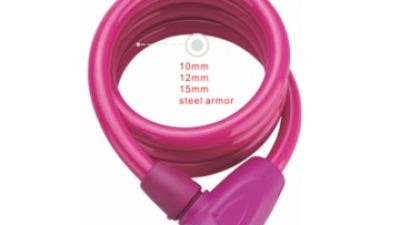
When it comes to ensuring the safety of your bicycle, choosing the right lock is paramount. Among the various options available, the Nurbo Pink Keyed Spiral Lock stands out for its combination of security and convenience. Made with a robust brass cylinder and a durable ABS case, this lock is designed to withstand attempts of strong cutting, providing peace of mind for cyclists. With a cable size of 10 / 12 x 1000 mm, it offers ample length to secure your bike to a variety of fixed objects.
One of the key features of this lock is its user-friendly design. It comes with two brass keys and includes a dust cover for the keyhole, protecting it from debris and ensuring reliable key insertion at all times. Additionally, the lock is weather and rust resistant, making it suitable for outdoor use regardless of the conditions. Whether you're commuting, out for a leisurely ride, or traveling, this lock is multipurpose and easily portable, making it a great companion for any cycling adventure. The availability in multiple colors also adds a personal touch, allowing users to choose a lock that reflects their style.
FAQS
: The most common types of bike locks include U-locks, chain locks, and folding locks. U-locks are resistant to cutting, chain locks offer flexibility for securing multiple points, and folding locks provide a balance between portability and security.
Look for features such as locking mechanisms like disc-shaped cylinders for added protection against picking, and ensure the lock is made of hardened steel for strength and durability. A high-security rating, ideally a Gold standard, is also advisable.
Securing your bike in a well-lit and busy area is crucial. Thieves are less likely to target bikes that are visible and located in high foot traffic locations, enhancing your bike's security.
Use a U-lock to secure both the frame and wheels, avoiding quick-release designs that can be easily manipulated by thieves. Locking different components together also helps deter theft.
Using more than one type of lock can reduce the chance of theft by 70% compared to using a single lock, as it complicates the process for potential thieves.
Engage in a routine check for any signs of tampering or suspicious activity in the vicinity. This awareness can help assess potential risks before leaving your bike unattended.
Make sure to lock the bike frame and both wheels to a sturdy, immovable object and minimize the space between the bike and the object to make it harder for tools to fit in and loosen the lock.
Parking your bike in a location that is visible and attracts foot traffic can deter thieves, as they often avoid drawing attention to their actions.
A high-quality lock, such as a U-lock, is considered effective in safeguarding your bike. It minimizes vulnerabilities that thieves might exploit, thus reducing the risk of theft.
Implementing proper locking techniques significantly enhances your bike’s security, making it less susceptible to theft and allowing you to cycle with more peace of mind.
Conclusion
When it comes to ensuring the safety and security of your bicycle, choosing the right Lock For The Bike is crucial. Different types of bike locks offer varying levels of protection, with features that cater to different locking environments and needs. Understanding lock ratings helps you assess the durability and reliability of your chosen lock, while effective locking techniques can significantly enhance its effectiveness.
Additionally, selecting ideal locations to secure your bike and following best practices during the locking process are key to preventing theft. Regular maintenance of your lock ensures it remains in optimal working condition. Staying informed about trends in bike theft and evolving security solutions is essential for any cyclist looking to protect their investment. By being proactive and knowledgeable, you can greatly reduce the risk of bike theft and keep your bike safe.